Peru · Business
Key Facts
—1H 2026 net profit S/159.2 million (US$46.8 million), up 58.4% year on year.
—2Q 2026 revenue S/558.9 million (US$164.4 million), a 15.4% increase.
—Cement volume driver Total volumes rose 15.5% in Q2, led by cement for self-construction.
—Core market Northern Peru, where the company holds market leadership.
—Back-to-back growth Q1 net income had already climbed 55.4% before the Q2 acceleration.
Cementos Pacasmayo, the largest cement producer in northern Peru, reported a 58.4% jump in first-half 2026 net profit, a result that reads like a pulse check on the country’s construction recovery.
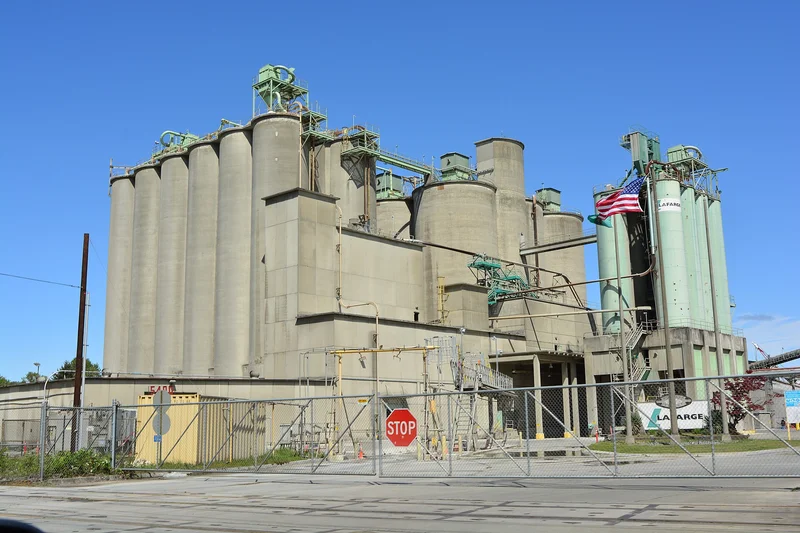
Cementos Pacasmayo produces and supplies cement and construction materials for the Peruvian market.
One-stop reference
Company Intelligence
Every listed company in Latin America — financials, ownership and structure for 1,450+ companies across 26 exchanges, in one place.
RTAsk Rio TimesMarkets, currencies and the economy›
RT
Ask Rio Times
Latin American markets, currencies and companies.
×
Markets todayThe currencyRates \& inflationEconomy outlook
Why Cement Tracks the Building Cycle
Cement is the backbone of any construction project, from a family adding a second floor to a major highway contract. Because it is heavy and expensive to transport long distances, almost all cement is produced and consumed locally, making a regional manufacturer’s sales a near real-time proxy for building activity.
When a cement maker’s volumes rise, it means trucks are rolling to job sites. When prices firm up, it signals that demand is outpacing supply, a classic early-cycle sign of a construction rebound.
The Numbers That Signal a Turn
For the first six months of 2026, Cementos Pacasmayo posted revenue of S/1.11 billion (US$326.5 million), a 13.3% increase from the same period a year earlier. Net profit reached S/159.2 million (US$46.8 million), up 58.4%.
The second quarter alone was even stronger. Revenue rose 15.4% to S/558.9 million (US$164.4 million), while net profit climbed roughly 61% to about S/78.7 million (US$23.1 million).
Total sales volumes across cement, concrete, and precast products jumped 15.5%.
Cementos Pacasmayo and the Self-Build Engine
The company pointed to one force above all others: autoconstruction, the do-it-yourself homebuilding that drives a huge share of cement demand in Peru. Families in cities like Trujillo, Chiclayo, and Piura buy bags of cement to expand their homes incrementally, often floor by floor.
This segment is famously resilient. Even when public infrastructure spending wobbles, self-builders keep purchasing because a home addition is both a savings vehicle and a practical need.
Cementos Pacasmayo said higher demand in this segment, combined with better pricing and operating efficiency, powered the profit surge.
A Regional Bellwether With a Broader Signal
Cementos Pacasmayo serves the north of Peru, a region with a distinct economic rhythm tied to agribusiness, mining supply chains, and coastal urban growth. The company’s market leadership there means its results filter out noise from Lima-centric trends.
The constructive outlook from management suggests the recovery has legs. After a first quarter where net income had already risen 55.4%, the second-quarter acceleration indicates that builders and families are growing more confident.
For foreign investors watching Peru, a cement maker’s order book is often the earliest and most honest indicator of where the economy is heading.
What It Means for Expats and Investors
For expats considering property in northern Peru, rising cement volumes are a tangible sign that neighborhoods are expanding and services are following. A sustained self-build boom typically translates into more finished homes, improved local infrastructure, and gradually appreciating real estate values in secondary cities.
Investors should read these results as confirmation that Peru’s domestic demand is healing outside the capital. Cementos Pacasmayo’s pricing power and volume growth suggest that the northern region’s economic engine, fueled by agro-exports and mining logistics, is generating real household spending.
The company’s back-to-back quarterly profit jumps make it a stock to watch for exposure to Peru’s non-metropolitan growth story.
What Happens Next
Management’s constructive tone points to continued strength in autoconstruction through the second half of 2026. Operational efficiency gains, already cited as a margin booster, could amplify profits further if volumes stay elevated.
The main risk to watch is any disruption to household purchasing power, such as a spike in inflation or a slowdown in the agro-export sector that employs many northern families. For now, however, the data suggests that the cement trucks will keep moving and the region’s building cycle has genuine momentum.
Frequently Asked Questions
What does Cementos Pacasmayo do?
It is the leading cement, concrete, and precast materials producer for northern Peru, supplying everything from bagged cement for homebuilders to bulk loads for large infrastructure projects. The company operates a network of plants and distribution centers that serve coastal and highland cities including Trujillo, Chiclayo, and Piura.
Why are cement sales a good indicator of construction health?
Cement is essential for nearly all building work and is rarely imported over long distances because of its weight and low value relative to shipping costs. That means local sales volumes closely mirror real-time construction activity in a region, making a cement producer’s quarterly report one of the most transparent windows into the building sector.
What is autoconstruction?
Autoconstruction refers to self-built housing, where families gradually expand their homes floor by floor using their own savings. It is a massive, stable source of cement demand across Peru and was the main growth driver in this report, reflecting how deeply homeownership is woven into household financial planning in the country.