Sign in. It’s quick, free and it’s up to you.
An account is an optional way to support the work we do. Find out more.
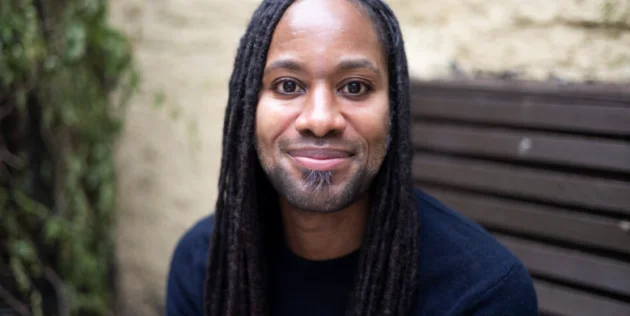
IN 2023, JASON Arday became Cambridge University’s youngest ever black professor at just 37 years old, and this week he resigned ”with immediate effect”.
Arday resigns amid questions over his academic integrity, including allegations that he committed plagiarism during his PhD studies.
On Wednesday, Cambridge announced it would be launching an inquiry into the professor.
This story has taken UK media by storm over the last week and has ignited a left-versus-right-wing debate over whether the accusations have merit or whether they amount to a racist pile-on.
Here’s a rundown of how we got to this point.
The first source of these accusations was a substack post by self-defined “race realist” Nathan Confas, who was fired from Cambridge in 2024 after he said under a true meritocracy black people would “disappear from almost all high-profile positions outside of sports and entertainment”.
Confas being the original source of the accusations, combined with the ‘culture war’ style media coverage about them, has ignited a debate in the UK about whether Arday has been the victim of what he described as a “racially motivated” campaign.
Plagiarism is not the only thing Arday is accused of, however; he is also accused of faking some of his achievements and lying about aspects of his life story.
Some people on the left have come out in support of Arday, Green party leader Zack Polanski among them, backing his claim that he’s the victim of a racially motivated smear campaign.
Cambridge University itself also originally supported their professor, calling the allegations against him a “vile smear campaign to undermine his credibility”.
But on Wednesday, Cambridge said it launched an inquiry into Arday following “new information” about his “academic qualifications and honorary appointments”.
Later on Wednesday came his resignation announcement in a statement posted by the Good Law Project.
An update from Professor Arday https://t.co/aoHD0Kgn6y
— Good Law Project (@GoodLawProject) August 5, 2026
Arday has repeatedly denied all accusations of plagiarism and was cleared by investigators where he completed his doctorate at Liverpool John Moores University.
Following Cambridge’s confirmation that they had opened an inquiry, Arday’s statement attributed his resignation to the “personal cost” of the public scrutiny.
He said he “concluded that the only way to bring this chapter to an end is to step away” and said his resignation should not “be mistaken for an acceptance of the narratives that have surrounded me.”
Arday became a well-known figure in the UK after being appointed to the Cambridge role and was the subject of significant media coverage at the time.
In an interview after his appointment he told The Guardian that he was diagnosed with autism at age three and only learned to speak when he was 11 and to write when he was 18.
He claimed to have raised over £5m (€5.83 million) over a period of 20 years by running 35 marathons in 30 days. He has also previously claimed to have run 600 miles in six days.
These claims were some of the first that had to be later clarified by Arday. He told The Guardian that the £5m figure was actually raised through “many fundraising collectives over a two-decade period”.
He also said that the 600 miles was actually completed over 12 days, with some of these being “rest days”.
Earlier this year, Arday gave a talk at the British Sociological Conference called Wanted Dead or Alive: the Playbook.
In this he outlined how conservative “activists” in the US have allegedly been trawling through the work of black academics attempting to find errors to pull apart their work and disgrace them publicly.
He cited the case of Claudine Gay, Harvard’s first black president, who resigned in 2024 amid antisemitism and plagiarism claims.
Gay’s academic career came under intense scrutiny by conservative activists who unearthed several instances of alleged plagiarism in her 1997 doctoral dissertation, who began investigating her after she appeared before congress.
In her public resignation letter, Gay said she had been “subjected to personal attacks and threats fuelled by racial animus.”
Arday claimed the same tactics used to target black academics in the US are being used in the UK.
In the Cambridge professor’s case, despite the origin of the original plagiarism accusations being from academics that publicly hold racist views, this new inquiry by the university has brought him under fresh pressure.
An analysis of his work by The Times allegedly found inconsistencies across his work during five years of study.
According to their analysis these inconsistencies included “participant quotes that appear to have been taken from another researcher’s own analysis and impossible samples, such as a breakdown of his participants’ genders, which adds up to 110%”.
Arday is set to release a memoir based on his life later this month.
The publisher of his book, Simon & Schuster, is standing by the academic, telling the AFP in a statement they “have worked closely with him… and can speak to the professionalism and integrity he has brought to every stage of the publication”.
To embed this post, copy the code below on your site