Brazil · Business
Key Facts
—Buyer. BCR-i Holding acquired the group of subsidiaries.
—Assets sold. Energy-efficiency consulting, energy management, equipment rental, airport services, and energy commercialization units.
—Deal date. Signed on 19 June 2026.
—Price. Not disclosed by either party.
—Strategic rationale. Engie is focusing on renewable generation, transmission, and energy trading.
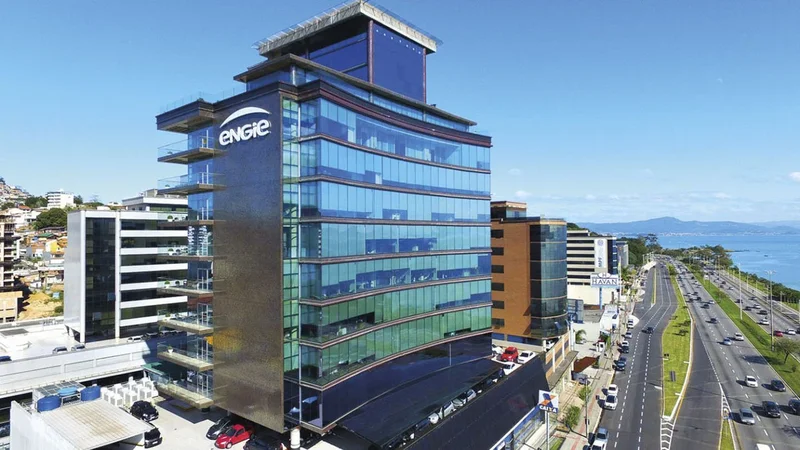
Engie has signed an agreement to sell its Brazilian energy-efficiency and services subsidiaries to BCR-i Holding, the company confirmed on 19 June 2026.
Energy-services companies in Brazil help businesses and industries reduce their energy consumption and costs.
One-stop reference
Company Intelligence
Every listed company in Latin America — financials, ownership and structure for 1,450+ companies across 26 exchanges, in one place.
RTAsk Rio TimesMarkets, currencies and the economy›
RT
Ask Rio Times
Latin American markets, currencies and companies.
×
Markets todayThe currencyRates \& inflationEconomy outlook
What Exactly Was Sold
The transaction covers a cluster of seven subsidiaries that operated under the Engie Brasil umbrella, the local arm of the French multinational utility. They provided a range of services designed to help commercial and industrial clients consume less energy and manage it more intelligently.
The largest of these units, Engie Brasil Soluções Integradas, functioned much like an Energy Service Company, or ESCO. It developed and financed efficiency projects, earning returns from the guaranteed energy savings achieved for clients.
The package also included highly specialized operations such as Engie Consultoria e Gestão de Energia, which focused on energy consulting and management, and Engie Gerenciamento de Energia, dedicated to energy administration. Further units handled equipment rental and commercialization, while Engie Soluções de Comercialização de Energia operated in the energy trading space.
Notably, the sale transferred two airport service units, including Engie Brasil Serviços Aeroportuários Guarulhos, which managed specialized energy systems at São Paulo’s main international airport. This breadth shows the services division touched everything from industrial plants to critical transport infrastructure.
Why Engie Is Exiting These Services
The divestment is a tidy piece of portfolio housekeeping for the French utility giant. Engie’s global leadership has been clear about its intention to simplify operations and channel capital into areas where it has the greatest scale.
In Brazil, that means concentrating on large renewable generation assets, power transmission lines, and the wholesale commercialization of energy. The services business, while profitable, sat outside this core mandate.
This strategic pivot reflects a broader industry trend where large utilities are shedding labor-intensive service divisions. By exiting consulting and facility management, Engie can redeploy capital into high-growth infrastructure projects like wind and solar farms, where returns are more predictable and scalable.
For readers unfamiliar with the company, Engie is one of the world’s largest independent power producers, with a massive footprint in Latin America. Its Brazilian portfolio already includes a significant network of hydroelectric plants, wind farms, and transmission lines stretching thousands of kilometers.
What an Energy-Efficiency Subsidiary Does
For a foreign investor or expat unfamiliar with the sector, an energy-efficiency subsidiary acts as an outsourced partner for businesses looking to cut power bills. Its work ranges from installing smart LED lighting systems to maintaining industrial cooling equipment and procuring energy on Brazil’s free market.
The sold units also included niche operations like Engie Brasil Serviços Aeroportuários, which managed specialized energy systems at airports, including São Paulo’s Guarulhos International hub. The buyer, BCR-i Holding, now takes over these contracts and teams.
In the Brazilian context, these services are increasingly vital. The country’s free energy market, known as the Mercado Livre de Energia, allows large consumers to negotiate power purchases directly from generators, a complex process that requires expert consultancy.
The ESCO model, where a company finances efficiency upgrades and is repaid from the resulting savings, is also gaining traction as businesses face high electricity tariffs.
A Specialist Buyer Steps In
BCR-i Holding is acquiring a significant service platform in a single move. The deal was structured to ensure full continuity, meaning existing clients will see no disruption to their contracts or day-to-day operations.
For Brazil’s broader energy-services market, the transaction signals continued consolidation. As large industrial groups seek to decarbonize and control costs, demand for efficiency consulting remains strong, but the supplier landscape is becoming more specialized.
While BCR-i Holding maintains a lower public profile than Engie, its acquisition of such a diverse asset base suggests a focused strategy to dominate the energy-services niche. The deal allows it to instantly gain a blue-chip client list and experienced technical teams without building them organically.
What It Means for Expats and Investors
For expatriates running businesses in Brazil or managing commercial real estate, the immediate takeaway is stability. Engie confirmed the sale was structured to preserve continuity, so existing efficiency contracts and airport service agreements will remain in force without interruption.
Investors watching Brazil’s utility sector should see this as a signal of where the smart money is heading. Engie’s retreat from services to double down on generation and transmission suggests it sees greater long-term value in owning the physical infrastructure that powers Brazil’s grid.
The transaction also highlights the maturation of Brazil’s energy-services market. As it consolidates, specialist firms like BCR-i may offer more competitive pricing and innovation, potentially benefiting commercial energy consumers across the country.
What Happens Next
The deal’s closing remains subject to customary conditions precedent, a standard step in transactions of this size that typically involves regulatory approvals. Neither party has indicated any obstacles to completing the transfer.
Once finalized, BCR-i will face the challenge of integrating seven distinct business units with different specializations. For Engie, the path forward is clearer: it will continue to expand its renewable energy pipeline in Brazil, where it already operates major wind and solar complexes, reinforcing its identity as a pure-play infrastructure giant.
Frequently Asked Questions
Why did Engie sell its Brazilian energy-efficiency business?
Engie is executing a global strategy to simplify its portfolio and focus on core activities, specifically renewable power generation, electricity transmission, and energy trading in Brazil. The services division, while profitable, was considered non-core and more labor-intensive compared to the infrastructure assets the company is prioritizing.
Who bought Engie’s energy-efficiency subsidiaries?
BCR-i Holding is the buyer. The financial terms of the deal, signed on 19 June 2026, were not publicly disclosed. BCR-i is a specialist holding company that now gains a major platform in Brazil’s energy-efficiency consulting and services market.
Will services for existing clients change after the sale?
No immediate changes are expected. The sale was structured to preserve continuity of operations, meaning client contracts, service teams, and ongoing projects remain in place. Engie stated that the transaction would not affect day-to-day activities for customers.