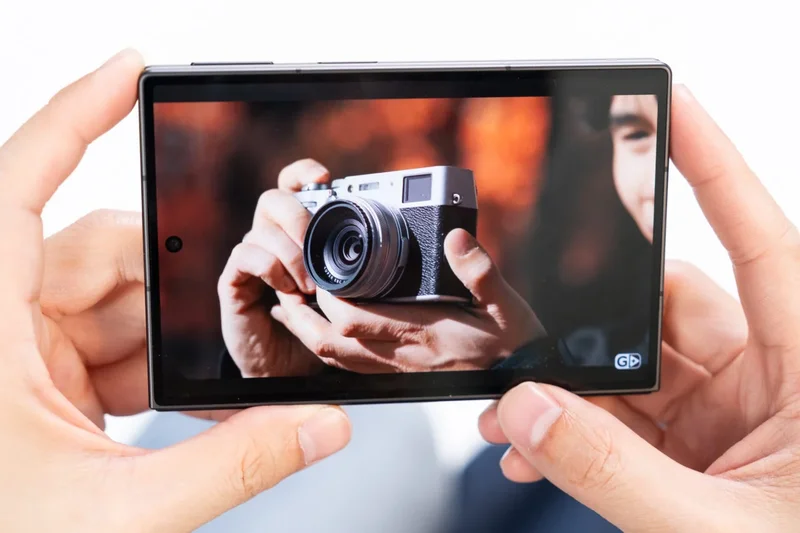
Samsungâs latest blowout Unpacked event was the most honestly exciting event the company’s put on in yearsâfor good reason. The new squat Galaxy Z Fold 8’s form factor seems like the right move for foldable phones. And it’s good news for Apple fans that its next device is going to look, function, and cost similar to what Samsung showed us on Wednesday.
The eighth-generation Galaxy Z Fold is, based on Gizmodoâs limited hands-on experience with the phone, the best it’s ever been. Samsung has finally managed to eliminate most of the crease in the center of the folding display. The company promises this display is also more rigid and durable than past generations of foldables. Better yet, the $1,900 Galaxy Z Fold 8âs 4:3 aspect ratio for both the external and internal display makes watching videos and playing games feel that much more natural, with slimmer black bars of the long-maligned âletterboxingâ effect finally feeling like less of an issue.
Despite sporting lower specs than the $2,100 Galaxy Z Fold 8 Ultraâa device made explicitly for power usersâthe squatty Galaxy Z Fold 8 seems more enticing for the everyday phone buyer. Thatâs good news for Apple, since a mountain of rumors suggests weâll see a squat, book-style foldable iPhone in September alongside the inevitable iPhone 18 Pro. Early dummy units of the device show it has a form factor that unfolds close to the size of an iPad mini.
© Adriano Contreras / Gizmodo
Samsungâs screen business is set to be Appleâs sole supplier of its first foldable displays, according to Korean tech news site TheElec. We can expect that the iPhone screens will have many of the benefits of Samsungâs crease-less display. Samsungâs Galaxy Z Fold 8 already proves such a good option for watching content, and multiple rumors suggest Apple will likely market its next-gen folding iPhone as a media-first device.
Francisco Jeronimo, a VP of client devices at research firm IDC, said in an email statement: âBy bringing a new format to market ahead of Apple, Samsung gets to define the new format on its own terms rather than reacting to it later.â Samsung got to the finish line first. Apple likely wonât have its device ready for debut until September, but this isnât a foot race (itâs more like a rat race, anyway).
Customers have already made it clear time and time again they donât care if Samsung is still clinging to its crown as king of foldables. Across the wider phone-buying public, most iPhone buyers are willing to stick to the comforts of the Apple family. The latest report from Consumer Intelligence Research Partners, first reported by MacRumors, found that 12% of new iPhone buyers say they migrated from Android in the first quarter of 2026. Of those who bought a new iPhone, 87% were loyal Apple customers. These are effectively the same data points from last year. Most consumers stick with one ecosystem or the other and rarely ever switch.
What does loyalty mean when every device ecosystem starts to look the same? Google evidently still hopes iOS buyers will make the switch. At the time Samsung dropped deets on its latest phones, Google promoted a new migration experience built into Android 17 to transfer data from iPhones. But letâs be frank, will Gemini Notebookâformerly NotebookLMâor any Gemini Intelligence features get people to switch? Apple Intelligence is already here, and it works well enough that phone buyers arenât missing much compared to Googleâs Gemini.
By this fall, weâll have two major phone brands shilling ultra-expensive phones for a specific kind of userâthe ones who really want a pocketable miniature tablet. The end result is that there is less and less that distinguishes one phone ecosystem from the other.