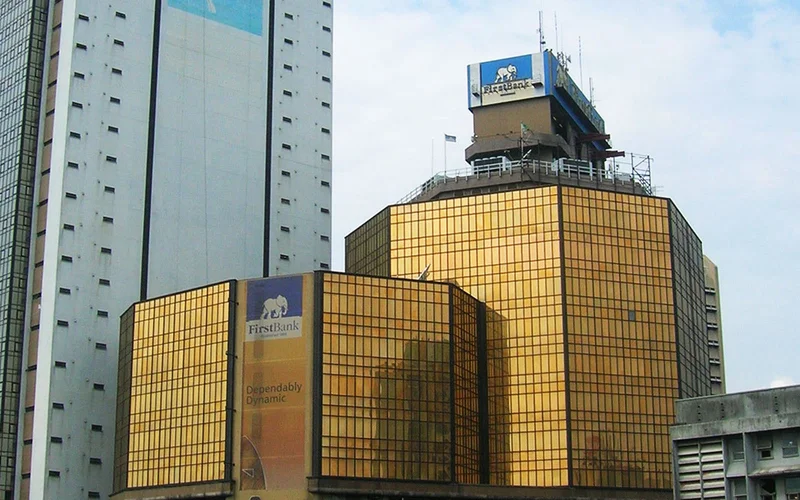
Femi Otedola Tightens Grip on Nigeria’s Oldest Bank, First HoldCo
Nigeria · DEALS
A 131-year-old institution changes hands
First Bank of Nigeria traces its roots to 1894, when British shipping magnate Sir Alfred Jones founded the Bank of British West Africa in Lagos. It is the country’s oldest lender, predating the Central Bank of Nigeria by more than six decades.
The group was restructured into a non-operating holding company, FBN Holdings Plc, in 2012. Shareholders approved a rebranding to First HoldCo Plc in 2025, cementing its identity as the umbrella for an institution with over 1.3 million shareholders and deep ties to government and corporate Nigeria.
That widely held structure has now given way to something closer to single-sponsor banking. Femi Otedola, a billionaire who built his fortune in oil and power, has emerged as the undisputed dominant figure at the helm.
The road to First HoldCo control
Otedola’s campaign began quietly. By October 2021, filings to the Nigerian Exchange showed he had acquired 5.07 percent of FBN Holdings through direct purchases and via his vehicle Calvados Global Services Ltd, totalling about 1.818 billion shares.
He added another 2.5 percent later that year, taking his stake to 7.57 percent and becoming the single largest individual shareholder. The local press labelled it the “business battle of the year,” given First Bank’s systemic importance to credit flows and politically exposed borrowers.
By the 2023 audited accounts, Otedola had lifted his holding to 9.41 percent, or 3.38 billion shares, overtaking Barbican Capital Ltd, the vehicle of rival Oba Otudeko. He spent 18.9 billion naira on two large purchases to reach that position, and by January 2024 he had secured the chairmanship of the holding company.
The 300-billion-naira week that reshaped the register
The decisive phase arrived in July 2025. On 22 July, Otedola bought more than 706 million shares in First HoldCo. Days later he acquired another 1.779 billion shares at 124.90 naira per share, again through Calvados Global Services, for 222.2 billion naira.
That single week of buying consumed nearly 300 billion naira, about 216 million US dollars, and lifted his beneficial ownership to 11.76 billion shares, equivalent to 25.87 percent of the company’s issued share capital. Business Insider Africa reported that his total investment in First HoldCo now exceeds 600 billion naira.
Otedola told shareholders at the 13th annual general meeting of FBN Holdings that his investment already exceeded 320 billion naira, all self-funded. He framed the bet as a long-term rebuilding of Nigeria’s oldest bank into a dominant African financial institution.
The block trade that ended a boardroom war
On 16 July 2025, an off-market block trade on the Nigerian Exchange saw Oba Otudeko and Tunde Hassan-Odukale sell their combined 25 percent stake, roughly 10.43 billion shares, for about 323 billion naira at around 31 naira per share.
First HoldCo issued a formal statement on 18 July clarifying that Otedola did not purchase the shares, nor did the Federal Government. The buyer was RC Investment Management Ltd, a vehicle linked to Renaissance Capital, with First Securities executing the transaction.
Even so, the trade eliminated the two main blocs that had contested Otedola’s rising influence. With his pre-existing stake, his chairmanship, and no comparable rival left on the register, market and media narratives now describe him as holding effective First HoldCo control.
Why a century-old bank matters for money and power
Controlling First HoldCo means influence over credit allocation to Nigeria’s oil and gas sector, power infrastructure, and government-linked borrowers. The Central Bank of Nigeria has previously shown it will intervene when governance concerns arise, dissolving First Bank’s board in 2021 during an earlier management crisis.
Otedola has publicly credited President Bola Ahmed Tinubu’s economic reforms and Central Bank Governor Yemi Cardoso’s policies for creating the conditions that justified his investment. His move ties directly to Nigeria’s ongoing bank recapitalisation drive and efforts to attract capital into the financial system.
The takeover also mirrors a broader Nigerian trend. Union Bank of Nigeria, another century-old institution, was acquired by Titan Trust Bank between 2021 and 2023. In both cases, new private capital has displaced older shareholder structures, a pattern reshaping who controls Africa’s financial arteries, as tracked in our pillar Africa: The New Scramble.
What to watch next
Otedola has signalled he intends to inject more capital as First HoldCo prepares for a new capital raise under the recapitalisation programme. Minority shareholders have already voiced unease, complaining that with his staff in key positions, Otedola “does as he pleases.”
At a share price of 124.90 naira, the market value of his holdings reached roughly 1.47 trillion naira, about one billion US dollars. That makes it one of the largest single-shareholder equity positions in Nigeria’s financial services sector.
The next test will be whether the Central Bank of Nigeria and minority investors accept this concentration of power at a systemically important institution, or whether new governance friction emerges as Otedola pushes toward his stated goal of majority control.
Frequently Asked Questions
What percentage of First HoldCo does Femi Otedola own?
By late July 2025, Otedola held 25.87 percent of First HoldCo, or 11.76 billion shares, after a series of purchases through Calvados Global Services Ltd.
Who bought the 25 percent stake sold by Otudeko and Hassan-Odukale in July 2025?
The buyer was RC Investment Management Ltd, a vehicle linked to Renaissance Capital, not Femi Otedola or the Federal Government of Nigeria.
Why is control of First Bank considered so important in Nigeria?
First Bank is Nigeria’s oldest lender, founded in 1894, and its controlling shareholder gains influence over credit flows to major corporates, government entities, and politically exposed borrowers.
Sources
This article was produced by The Rio Times’ automated newsroom system. How we use AI · Report an error
LatAm Markets: Live Signals → — real-time movers, turnover leaders and FX across Latin America.