- See more This is Money on Google - save us as a Preferred Source
There were high hopes for Labour’s second coming of a Healey as Chancellor.
John Healey looked like a grown-up with bags of experience at defence and as a Treasury minister in the Blair-Brown years.
So it comes as a blow to find out that in the early run-up to the Budget scheduled for October 28 he is looking at ways of stretching an already overwrought Government balance sheet to meet Andy Burnham’s objectives.
Burnham’s feel-good initiatives, such as the £2 bus fare and VAT cut on energy bills, can almost certainly be funded from the existing headroom. Of more concern is where the big bucks will come from.
The defence investment plan, a legacy of Healey’s last job as defence secretary, is £15bn short over the next four years.
Burnham’s vow to deal with social care after dozens of failed attempts is a big number – as much as £18.5bn. The price of the growth agenda of more social housing and infrastructure is uncharted.
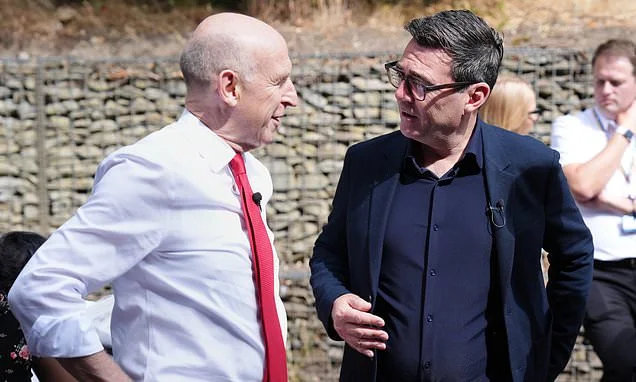
Chancellor John Healey is looking at ways to fund new Prime Minister Andy Burnham's plans
It is enormously disappointing that a Government facing several years of penury, with a national debt of £3trillion (close to 100 per cent of total output) and the highest yields on government bonds in the G7 nations is considering more borrowing.
Rachel Reeves’ adoption of public sector net financial liabilities (PSNFL) as the lodestar for investment has created what the Office for Budget Responsibility has labelled a ‘fiscal illusion’.
The definition, for example, of the student loans portfolio as a state asset is bonkers. Word is, the Treasury has been tasked with finding new ways to borrow.
Among the ideas is making more use of the ‘PuFins’ (Public Financial Institutions) such as the National Wealth Fund and National Housing Bank.
I have news for Healey: it is borrowing by another name and adds to public debt. Burnham’s team will speedily be found out by bond markets.
It is inexplicable why anyone should think devoting more resources to social housing and infrastructure will be self-funding.
Reeves’ 2025 spending review bunged £39bn at a ten-year affordable housing programme and £15.6bn to fund transport in regions with elected mayors.
Capacity constraints, a lethargic planning system and the great spending vacuum that is HS2 mean that more spending is futile.
Britain’s tax burden, at current levels, is at the point of diminishing returns. Radical spending reductions of the kind Denis Healey had to adopt in 1976 is the only sustainable answer, not more borrowing.
Creative tensions
Why the Competition & Markets Authority (CMA) felt the need to get out ahead of litigation in California and US states to endorse Paramount Skydance’s $110bn deal for Warner Discovery is puzzling.
Contrary to enthusiasm for it on the BBC’s Today show, ‘consolidation’ will be bad for creative jobs and innovation in Britain. Pledges on the future of Channel 5 are time-limited and easily picked apart.
The CMA has lost its bite since Amazon refugee Douglas Gurr took the helm. Britain’s terrific creative sector is dangerously exposed.