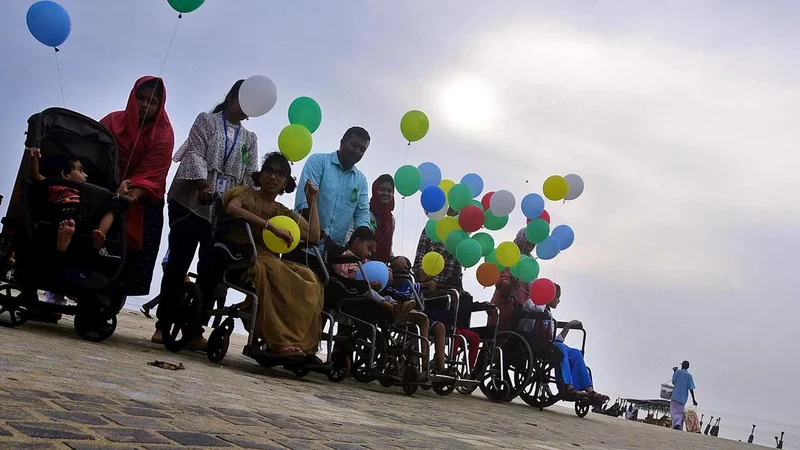
Kerala should become a model State that can ensure equality, dignity, and equal opportunity for all the children with disabilities, the Kerala State Commission for Protection of Child Rights has said.
The recommendation has been made in a report on challenges — physical, emotional, intellectual, and developmental — faced by disabled children. It was was submitted by the commission to the government earlier this year.
The report, prepared following consultations with functionaries at State and district levels, urges the State to adopt a rights-based approach, calling for viewing them not just as beneficiaries of services but also recognising them as citizens with rights.
The commission has recommended a single-window system to ensure that schemes for children with disabilities and benefits —including social security pension, scholarships, treatment-rehabilitation aid, travel allowance, and distribution of assistive devices— reach them in a transparent and time-bound manner. At present, these are implemented through various departments, leading to lack of coordination, delays, complications in documents, and lack of information.
The report underscores the importance of early detection of disabilities in children to provide comprehensive treatment and rehabilitation. Services of experts such as paediatricians, clinical psychologist, psychiatrist, and therapists should be ensured permanently in taluk hospitals
Mobile screening teams should be formed for direct screening of children in anganwadis and schools in areas that are remote or difficult to access such as hilly regions.
Home care, palliative care, and other services should be ensured at the doorstep of children who have severe disabilities or are bed-ridden.
Disability certificates and UDID (Unique Disability Identification Card) card should be made available to eligible children. Steps should also be taken to organise camps at the panchayat level to avoid delays in this respect, the report adds.
The report calls for appointing special educators in all government, aided, and recognised unaided schools to ensure school participation and social inclusion of differently abled children. Need-based support will prevent them the children from dropping out of school, it says.
It moots an inclusive evaluation system that considers each child’s abilities, individual education goals, and reasonable accommodation.
Another recommendation is setting up of district disability centres in order for services such as early identification, therapies, counselling, educational support, and training for parents can be provided under a single umbrella.
It stresses the need for police stations that have personnel who have received training in accepting complaints related to children with disabilities, taking their statements, and conducting investigations. Steps should also be taken to provide the services of sign language interpreter, special educator, and support persons to help them in investigations related to them, the commission recommends.
Published - August 08, 2026 03:49 pm IST