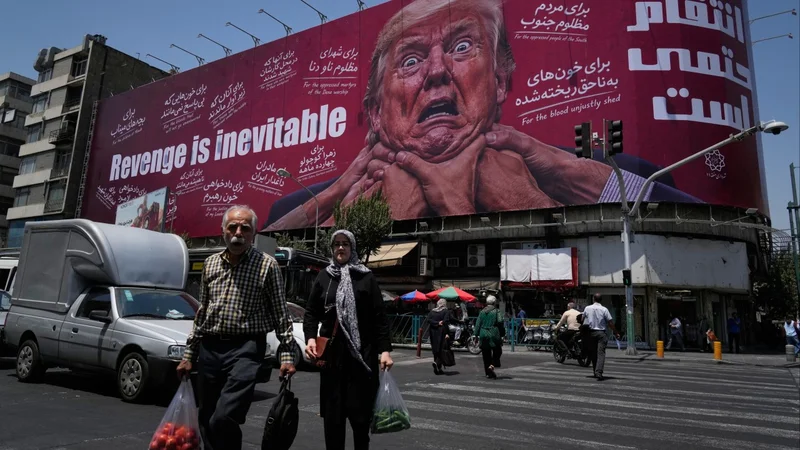
Iran thinks it has Trump cornered – but what are the risks?
Dwindling US arms stockpiles, inflation woes and looming midterms mean time is on Tehran’s side. Trouble, however, is brewing at home
The Strait of Hormuz is, by some accounts, named for a Zoroastrian deity destined to emerge victorious after a 9,000-year stand-off with an adversary.
Iran’s leaders feel their own victory is at hand and will not require the same epic patience. They are betting that military pressure will ultimately force the US to accept their control over the crucial waterway for global energy – and that time is on their side.
They know about the diminishing stockpiles of key US weapons such as advanced missile interceptors. They know the war is deeply unpopular with Americans. They know that as long as the strait is largely closed, the price of petrol and other goods will stay high ahead of US congressional elections in November.
They know that trying to open it by force would be costly and may require American ground troops. They know their Houthi allies in Yemen could widen the war and disrupt another major trade route.
By that logic, US President Donald Trump has no choice but to capitulate.
But Iran’s strategy carries risks.