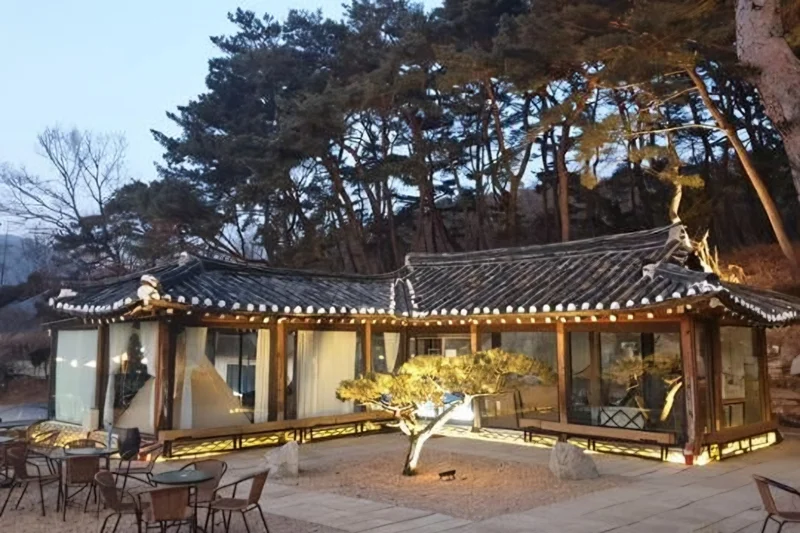
In Jongno District, the historical heart of Korea’s capital, centuries-old heritage lives alongside the messy realities of modern urban living.
High-rise office towers share narrow alleyways with sprawling neighborhoods of hanok — traditional Korean houses. Reconciling urban regulation with the preservation of these architectural treasures has long presented a challenge for municipal authorities.
Jongno District took a decisive step, Thursday, toward balancing safety with historical preservation. District head Yoo Chan-jong announced a landmark partnership with the Jongno Association of Architects to streamline the legalization of structures that violate building codes while actively protecting and expanding the district’s cherished hanok footprint.
The initiative centers on the creation of a specialized "Unsanctioned Building Support Center" at the Jongno District Office. Operating ahead of a national special law set to take effect on Dec. 17, the center will pair professional architects directly with property owners. The goal is two-fold: helping residents safely bring unpermitted structural modifications into legal compliance without exorbitant costs, and ensuring that historical hanok residences are meticulously preserved rather than abandoned or illegally altered.
Under the agreement, participating architects will volunteer professional design and consultation services. To protect vulnerable residents, complete design and administrative support will be provided free of charge to low-income households and victims of real estate lease fraud — groups who often face insurmountable financial barriers when attempting to legalize or repair their homes.
At the heart of Jongno’s initiative is safeguarding its irreplaceable urban identity.
As the epicenter of traditional architecture in Seoul, Jongno houses the nation's highest concentration of historic home structures. Under the new program, the district will offer tailored maintenance and restoration consulting for existing hanok owners while introducing incentives to encourage new hanok construction.
Rather than viewing historical preservation as a hindrance to modern property rights, Jongno is framing its traditional houses as crucial assets for the city's future. By reducing bureaucratic friction and offering free expert oversight, district officials said they hope to maintain the structural integrity of these homes, ensuring that the area's distinct cityscape remains intact for generations to come.
"By partnering with the Jongno Association of Architects, we can now provide tailored administrative support to residents who have long struggled with complex building regulations," Yoo said. "We remain fully committed to protecting our citizens' property rights while preserving the unique beauty of Jongno's hanok culture."
This article was published with the assistance of generative AI and edited by The Korea Times.