Cameroon Cholera Epidemic Surges in Far North with 25 Deaths
Cameroon · HEALTH
The outbreak timeline and scale
The first cases of acute watery diarrhoea emerged in the districts of Fotokol, Mada, Makary and Kolofata on 23 June 2026. Laboratory confirmation followed swiftly, with four culture-confirmed cases of Vibrio cholerae O1 Ogawa recorded by 29 June 2026.
International surveillance data shows Cameroon had 331 cholera cases and 12 deaths nationwide from 31 December 2025 to 12 July 2026. By 26 July 2026, humanitarian reporting indicated the Far North outbreak alone had reached 754 cases, 25 deaths and 130 patients under treatment across nine health districts.
Health Minister Malachie Manaouda told media in late July that the Far North had recorded more than 800 cases and 25 deaths. The district of Mada registered the highest raw case count, while Fotokol suffered the highest attack and fatality rates in the early phase of the epidemic.
Minawao camp becomes a pressure point
On 26 July 2026, the Minawao Refugee Camp reported 24 suspected cholera cases, including 15 positive rapid diagnostic tests. The camp, which hosts more than 81,000 refugees, was operating at roughly 325 percent of its intended capacity according to humanitarian documents.
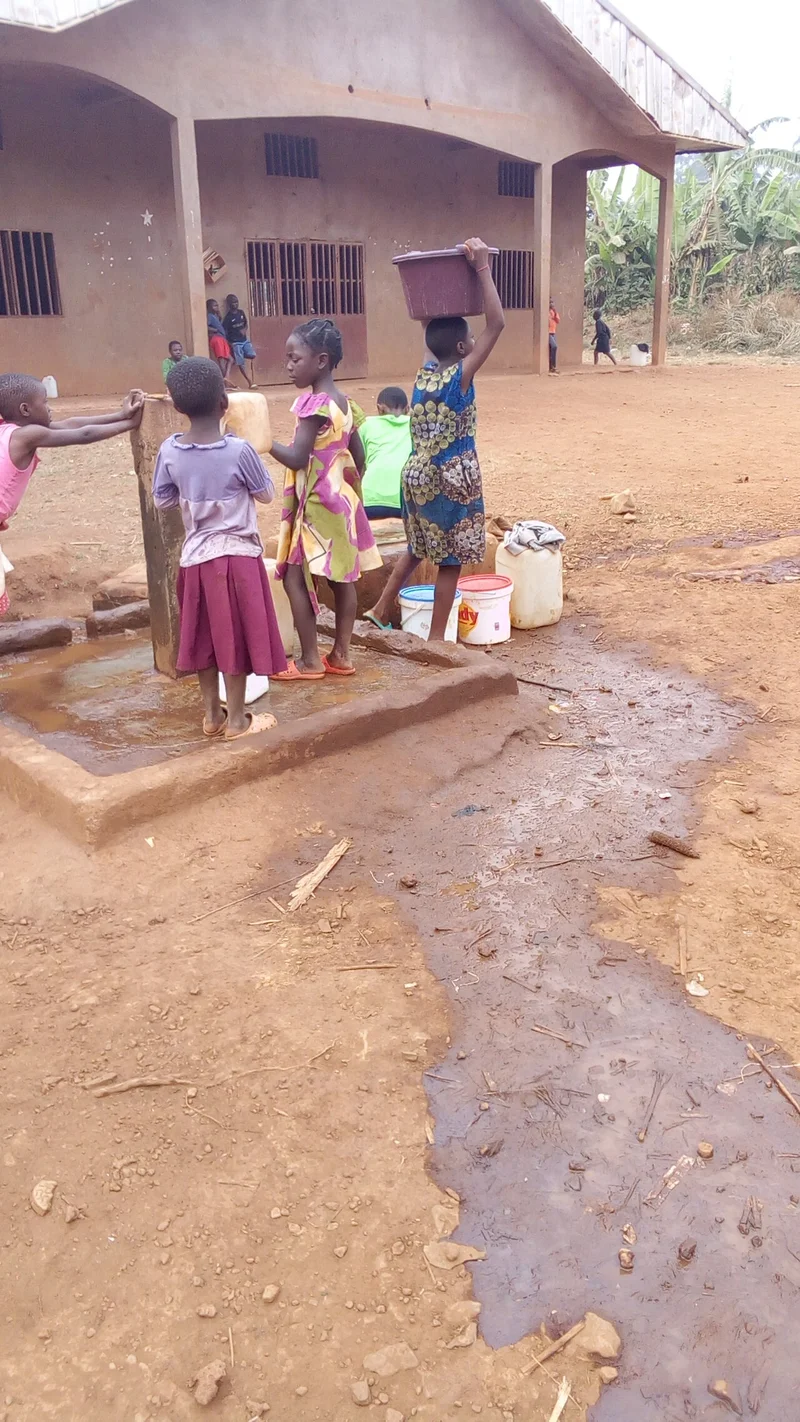
Overcrowding of this magnitude turns a refugee settlement into an amplifier for waterborne disease. Poor sanitation infrastructure and limited access to clean water mean a single confirmed case can trigger exponential transmission within days.
The International Medical Corps reported that treatment and monitoring operations were already underway in the camp by late July. The flare-up illustrates how displacement settings along Cameroon’s border with Nigeria become critical nodes in the regional cholera transmission chain.
Why the Far North keeps suffering cholera outbreaks
Cameroon’s northern regions have a long and painful cholera history. A major epidemic that began in the Far North on 6 May 2010 spread to all 28 health districts there, producing 9,399 cases and 599 deaths by year-end in that region alone.
A review of outbreaks from 2004 to 2013 found 46,172 cases and 1,817 deaths nationwide, with the North and Far North accounting for 47.3 percent of cases and a case fatality rate of about 8 percent. In 2009, a separate epidemic produced 717 cases and 85 deaths, with a case fatality rate of 11.9 percent.
More recently, Cameroon experienced four cholera epidemics between 2018 and 2023, totalling 18,986 reported cases across eight of the country’s ten regions. The first of those waves centred on the North, Centre and Far North, while later outbreaks spread into coastal and urban areas including Douala, the economic capital.
The Cameroon cholera epidemic is a cross-border problem
The Far North sits on a transnational corridor linking Cameroon with Nigeria and Chad. Trade, migration, seasonal movement and insecurity all complicate disease control, making cholera a shared governance challenge rather than a purely domestic health issue.
Severe floods between August and October 2024 affected 459,000 people in the Far North, destroying water sources and sanitation facilities. Those conditions directly preceded a cholera outbreak reported from 8 November 2024, demonstrating how climate shocks and infrastructure weakness combine to trigger epidemics.
The region also sits within the wider Lake Chad basin and Sahel security ecosystem. Any deterioration in health, flooding or displacement can intersect with border security, humanitarian access and regional stability, drawing in actors from across the Africa: The New Scramble landscape.
The money and infrastructure failure behind the outbreak
Cholera in Cameroon is tightly linked to chronic underinvestment in water supply, sanitation and primary healthcare. The Far North and North regions are politically and fiscally weaker than Yaoundé or Douala, and their infrastructure reflects that neglect.
Recurrent outbreaks force repeated emergency spending on surveillance, treatment centres, disinfectants, chlorine, oral rehydration salts and vaccination campaigns. Those funds are diverted into crisis response rather than durable infrastructure, locking the region into a cycle of outbreak and reaction.
Cameroon has also faced a global cholera vaccine shortage, which the analysis group ACAPS said constrained response capacity in 2023. That shortage is a reminder that outbreak control in lower-income states depends heavily on global supply chains and donor allocation decisions far beyond Yaoundé’s control.
What to watch next
The immediate priority is containment in the nine affected health districts and the Minawao camp, where humanitarian agencies are already delivering treatment and monitoring. The rainy season will keep pressure on water systems for weeks to come.
The longer-term question is whether this outbreak finally forces investment in permanent water and sanitation infrastructure in the Far North. Without it, the next flood season will almost certainly bring another epidemic, and the human and fiscal costs will fall once again on the region’s poorest households.
Cross-border coordination with Nigeria and Chad will also be tested. Cholera does not respect frontiers, and the transnational corridor that links these three countries ensures that an outbreak in one is a threat to all.
Frequently Asked Questions
How many people have died in the Cameroon cholera epidemic in 2026?
As of 26 July 2026, the Far North outbreak had caused 25 deaths, with 12 deaths recorded nationwide between 1 January and 12 July 2026.
Which areas of Cameroon are affected by the current cholera outbreak?
The outbreak is concentrated in nine health districts of the Far North region, including Fotokol, Mada, Makary and Kolofata, and has also reached the Minawao Refugee Camp.
Why does cholera keep returning to northern Cameroon?
Chronic underinvestment in water and sanitation infrastructure, seasonal flooding, cross-border movement with Nigeria and Chad, and overcrowded displacement settings combine to create conditions where cholera recurs repeatedly.
Sources
This article was produced by The Rio Times’ automated newsroom system. How we use AI · Report an error
LatAm Markets: Live Signals → — real-time movers, turnover leaders and FX across Latin America.