Panama · Security
Key Facts
- Dates— Panamax 2026 runs roughly 3–13 August, with some drills extending to the 14th.
- Goal— Defend the Panama Canal against simulated air and sea attacks.
- Scale— 19 countries are taking part, including Brazil, Chile, Mexico, and the UK.
- Sponsor— The US Southern Command leads the multinational exercise.
- Tensions— The drill comes amid US–Panama disputes over canal tolls and Chinese influence.
- Focus— Regional security, interoperability, and response to emerging threats.
- Stakes— The canal carries about 6% of global maritime trade annually.
Nineteen nations join the US-led exercise as tensions simmer over the waterway’s future.
Panamax 2026, a US-led military exercise now underway in Panama, is rehearsing the defence of the Panama Canal against simulated air and sea attacks. Nineteen nations have joined the drills, which run from roughly 3 to 13 August.
What Panamax 2026 Involves: Panama Canal
The exercise is sponsored by the US Southern Command. Its stated mission is to strengthen collective capability for complex multinational operations, including protecting the canal against simulated threats.
The drills involve naval forces, air assets, and ground troops across Panama’s Atlantic and Pacific coasts. Live-fire exercises are taking place near the canal’s entrances.
The US 4th Fleet is hosting the multinational force for the Combined Forces Maritime Component Command. Participating nations include Argentina, Belize, Brazil, Chile, Colombia, Costa Rica, Dominican Republic, Ecuador, El Salvador, Guatemala, Honduras, Jamaica, Mexico, Netherlands, Paraguay, Peru, United Kingdom, and the United States.
Panama is also taking part.
The Southern Command says the exercise helps forces ’detect, disrupt, and defeat existing and emerging threats’. Panama’s SERTV adds that the drill strengthens protection of the canal and improves response to regional threats.
The scenarios include simulated air and sea attacks, as well as cybersecurity and humanitarian assistance operations. Each year, the exercise refines its focus based on current threats.
DVIDS reports that Panamax 2026 includes both live and computer-assisted simulations. The exercise also tests interoperability among navies, coast guards, and special forces.
For the first time, several nations are sharing real-time data through a common command network. That is a significant step for regional cooperation.
The exercise also includes a command post component that tests decision-making under pressure. Officers from different fleets work side by side in a unified operations room.
Medical teams from several countries practice mass casualty response scenarios. This builds trust between armed forces that rarely train together.
Why the Canal Matters So Much
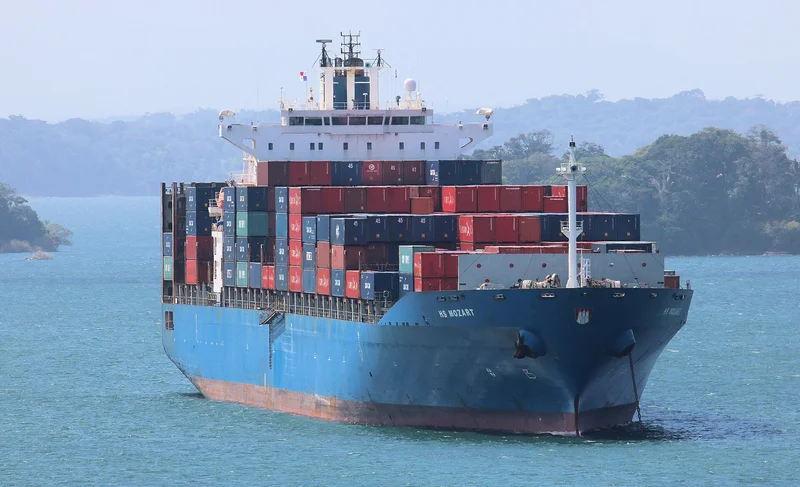
The Panama Canal handles about 6% of global maritime trade. Every year, roughly 14,000 ships pass through its locks, carrying goods worth billions of dollars.
For expats and investors, that means supply chains for everything from fuel to electronics depend on this narrow strip of water. Even a short closure would ripple through global markets.
A disruption to the canal would send shipping rates soaring. It would also delay deliveries across the Americas and beyond.
That is why Panamax 2026 is not just a military drill; it is a signal of economic stability. The exercises deter potential aggressors by showing a united front.
The canal is also a vital revenue source for Panama. Tolls bring in about R$17.9 billion (US$3.5 billion) annually.
For a country of four million people, that income underpins public services and pensions. Protecting the canal is protecting Panama’s economy.
More broadly, the region depends on the canal for energy exports. US liquefied natural gas ships, Brazilian soybeans, and Chilean fruit all pass through its waters.
Any threat to the canal is a threat to the hemisphere’s trade.
The canal also shortens shipping routes dramatically. A vessel going from New York to San Francisco saves about 8,000 miles by using the waterway.
That saving translates into lower fuel costs and faster delivery times. It keeps consumer prices down across the Americas.
The Political Backdrop: Strains With Washington
Panamax 2026 comes at a delicate moment in US–Panama relations. President Donald Trump has repeatedly demanded lower canal tolls for US ships.
He has also claimed China is gaining too much influence over the waterway’s operations.
Panama’s government rejects those claims. President José Raúl Mulino has said the canal is ’not under any direct threat’.
But Trump’s rhetoric has rattled Panama’s leaders, who see the exercises as a reminder of US power in the region. The drills are watched closely in Panama City.
In early 2026, the US and Panama signed an agreement on canal tolls. Yet friction remains over Chinese-backed infrastructure projects near the waterway.
These drills serve as both a security measure and a diplomatic statement.
Historically, Panama has resisted a permanent US military presence since the canal handover in 1999. The current multinational format is designed to ease those worries.
It shows the US is not returning, but it is willing to help if asked.
Mulino has also strengthened Panama’s ties with other Latin American nations. That gives him more room to push back in Washington.
The canal’s administrator, Ricaurte Vásquez, has publicly said the waterway operates independently of any outside power. That message is repeated in Panama’s schools and media.
Some Panamanians worry the drill stirs old memories of US intervention. But officials say the multinational format is a different approach entirely.
What This Means for Investors and Expats
If you are reading this from Panama City, Bogotá, or São Paulo, the practical effect is confidence. The public rehearsal of defence sends a message that the shipping lanes you rely on are protected.
It also demonstrates the region’s ability to cooperate on security.
For expats with property or businesses in Panama, the canal’s stability is essential. Any significant disruption would hit tourism, logistics, and real estate.
Panamax 2026 is an insurance policy that governments take seriously. It reassures markets that the waterway remains open for business.
Investors in commodities, shipping, and infrastructure should watch the drills carefully. They indicate a stable security environment, which is good for trade routes.
They also raise the profile of military cooperation in the hemisphere.
On a final note, the exercise is a reminder of the canal’s strategic value. It is not just a feat of engineering; it is a lifeline for global commerce.
Watching 19 navies train together is a powerful sight.
The drills also boost local businesses in Panama City. Hotels, restaurants, and transport firms all see a busy week from visiting troops.
For expats running service companies, that means a welcome cash injection.
Longer term, a secure canal supports Panama’s ambition to be Latin America’s logistics hub. The country already hosts major shipping and banking firms.
Frequently Asked Questions
What is Panamax 2026?
It is a US Southern Command-led multinational military exercise. It rehearses the defence of the Panama Canal against simulated air and sea attacks, with 19 countries taking part in August 2026.
Why is the Panama Canal important for global trade?
The canal carries about 6% of global maritime trade, including energy exports, food, and manufactured goods. Any disruption would raise shipping costs and delay deliveries across the Americas and beyond.
How many countries are participating in Panamax 2026?
Panama’s SERTV and the US Southern Command both name 19 participating nations. These include Panama, Brazil, Chile, Colombia, Mexico, the UK, and the United States, among others.
Are the drills linked to the US-Panama tensions over the canal?
Yes, the exercises come amid disputes over tolls and Chinese influence. They serve as a security measure and also as a diplomatic signal to Panama and the wider region.
Connected Coverage
Sources: US Southern Command; Panama’s Maritime Authority; La Prensa (Panama); Reuters
This article was produced by The Rio Times’ automated newsroom system. How we use AI · Report an error