I use Wireless earbuds constantly. I use them for work, running, working out, relaxing, traveling—whatever I am doing, chances are I have a pair of wireless earbuds on me, just in case. While some of the earliest models were huge and inconvenient, earbuds nowadays are slim, comfortable, and often affordable.
The WIRED Reviews team doesn't just use earbuds—we test them. Hundreds of them, actually. And after weeks of music, calls, commutes, and rogue earbuds flying out of our ears, we've chosen these favorites that are the best for most people.
For more top picks, check out our other audio guides, like the Best Open Earbuds, Best Wireless Headphones, Best Noise-Canceling Headphones, Best Cheap Headphones, Best Workout Headphones, and Best Wired Headphones.
Featured in This Guide
Updated August 2026: I've updated product recommendations and honorable mentions. Specs, prices, and links were also updated.
The Best Earbuds for Most People
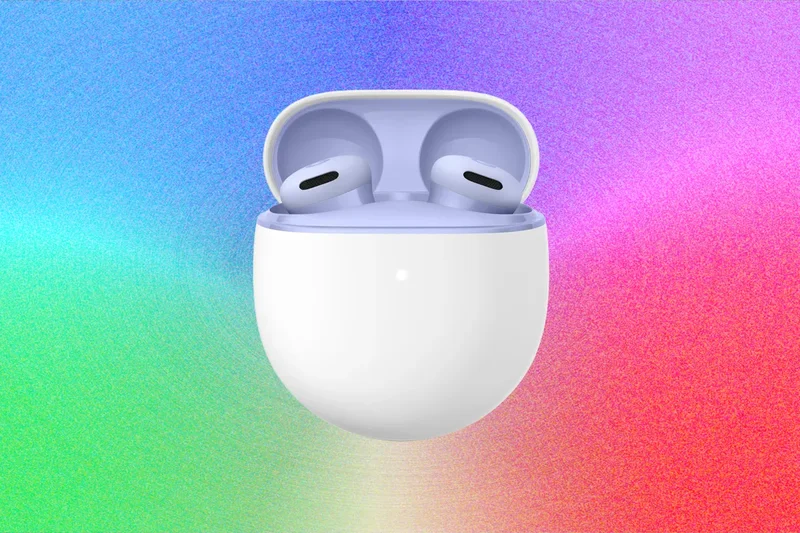
The Pixel Buds 2a aren't the flashiest earbuds around, but they hit just the right balance of sound quality, useful features, comfortable fit, and low price, making them a great option for just about anyone.
The smooth, pebblelike case has a replaceable battery, and the buds are very small and ergonomic, with ear loops that really help them stay in most ears. An IP54 rating, noise canceling, and seven hours of battery life make these fantastic for everyday wear. Reliable software support and excellent touch controls (though no volume controls directly on the earbuds) make these especially nice while working out, at the desk, or gardening. And instant pairing with Android phones and near-instant pairing with iPhones means both teams can enjoy these buds easily.
The biggest miss here is no wireless charging. If that's a deal-breaker, you'll want to upgrade to something like the Google Pixel Buds Pro 2. Otherwise, these are great overall earbuds, but not the best at any one thing. Some of the pricier options on this list have better sound quality, battery life, and ANC.
| Specs | |
|---|---|
| Connectivity | Bluetooth 5.4 |
| Battery life (ANC) | 7 hours, 20 with case |
| Water/dust resistance | IP54 |
| Wireless charging | No |
Best Earbuds for iPhone
Apple’s AirPods Pro 3 solidify their status as the best-selling headphones for good reason. They remain the easiest, most integrated buds for iOS users, now with crucial upgrades. The design is subtly refined for a more universal fit, aided by new foam-lined ear tips that improve comfort and passive noise isolation. Key improvements include a much-needed battery life boost to eight hours and an enhanced IP57 rating for greater durability.
New features like real-time translation and surprisingly accurate heart rate monitoring, powered by robust software support, are very nice to have. The bass-heavy sound profile favors pop music, but the active noise canceling is class-leading, effectively silencing even high-pitched distractions.
While competitors like Sony and Bose offer compelling alternatives, the AirPods Pro 3 provide an unmatched seamless experience for the Apple ecosystem. For iPhone owners, they are the definitive choice and a worthy upgrade, especially for those dealing with aging batteries from older models. —Parker Hall
| Specs | |
|---|---|
| Connectivity | Bluetooth 5.3 |
| Battery life (ANC) | 8 hours, 24 with case |
| Water/dust resistance | IP57 |
| Wireless charging | Yes |
Best Earbuds for Samsung Phones
The Samsung Galaxy Buds4 Pro are the best earbuds for anyone who already owns and uses a Samsung phone or Samsung smartwatch, similar to AirPods for Apple users. That comparison isn't just surface level: These are the most AirPods-like Samsung earbuds yet; the size, shape, fit, and feel are very AirPods Pro 3.
These are fun, comfortable, and convenient earbuds for anyone with a Samsung phone. The noise-canceling works admirably, canceling out most low drones like plane and AC noise and lowering café and office chatter well. The Ambient Sound (aka transparency mode) is a real standout—it's clear and natural-sounding, so much so that we used it in place of open earbuds for walks and hikes on occasion. Paired with a Samsung phone, there are features galore: a customizable nine-band equalizer (with presets), earbud fit tests, high-resolution audio support, voice control settings (Google Assistant or Bixby), Find My Earbuds (think Apple Find My), and more. But, importantly, they sound great straight out of the box.
The only downside is battery life: Six hours of playback with ANC on puts it behind most other earbuds on this list. And controls, while simple and intuitive, misfired semi-often over several days of testing.
| Specs | |
|---|---|
| Connectivity | Bluetooth 6.1 |
| Battery life (ANC) | 6 hours, 26 with case |
| Water/dust resistance | IP57 |
| Wireless charging | Yes |
Best Earbuds for Android
Google's Pixel Buds Pro 2 are itty-bitty earbuds that pair perfectly with whatever Android phone you have. They're super comfortable, have excellent noise canceling, and boast an eight-hour battery life that puts many competitors to shame. You can choose between digital assistants and even open Google's Gemini Live conversational AI straight from the earbuds. Sound quality is among the best in the category, with clear highs and a nice helping of punch in the bass without being overwhelming. They're also IP54-rated, which makes them a carefree addition to your gym bag. —Parker Hall
| Specs | |
|---|---|
| Connectivity | Bluetooth 5.4 |
| Battery life (ANC) | 8 hours, 30 with case |
| Water/dust resistance | IP54 |
| Wireless charging | Yes |
Best Noise-Canceling Earbuds
Bose claims that its latest flagship headphones have the best noise reduction on the planet, and after a few weeks with the QuietComfort Ultra (2nd Gen), I'm inclined to agree. The comfortable elephant trunk shape pairs with silky silicone ear tips to provide excellent passive noise isolation—akin to a pair of earplugs—which combine with active noise-canceling tech to provide true silence.
You'll have a hard time hearing anything but the highest-pitched noises with ANC on, and the built-in dynamic drivers do a great job putting music on top. The latest model comes with a wireless charging case and some new and exciting spatial audio features (particularly great when watching movies on flights), which make these some of the best earbuds for business travelers. Call and Zoom quality, likewise, is excellent. —Parker Hall
| Specs | |
|---|---|
| Connectivity | Bluetooth 5.3 |
| Battery life (ANC) | 6 hours, 24 with case |
| Water/dust resistance | IPX4 |
| Wireless charging | Yes |
Best Budget Earbuds
JLab is my go-to brand for budget earbuds, and the Go Pop ANC are a prime example of why. These buds are shockingly full-featured for $30: ANC and transparency modes that actually work, stable Bluetooth connectivity, a robust app with adjustable EQ and programmable controls, and a respectable IP55 dust- and water-resistance rating. I can think of many earbuds over $100 that mess up the basics more than these ones do. Sure, I found the tiny built-in USB-C cable more annoying than helpful, but at this price, it's hard to nitpick.
| Specs | |
|---|---|
| Connectivity | Bluetooth 5.4 |
| Battery life (ANC) | 6 hours, 24 with case |
| Water/dust resistance | IP55 |
| Wireless charging | No |
Best Open Earbuds
Open earbuds rest on or wrap around the outside of your ears, leaving them open to hear the world around you. They're an excellent choice when you want to be aware of your surroundings—think walking, running, biking, or hiking outdoors.
After testing dozens, I almost always come back to Shokz OpenDots. They have been my constant, consistent companion for walks, runs, bike rides, and just living life. It's the combination of comfort, ease of use, and battery life that puts them ahead of competitors for me. I've worn these earbuds for hours at a time and completely forgotten I was wearing them. Which is especially easy to do because the buds get up to 10 hours of battery life, way more than most of my recommendations on this list.
Open earbuds as a whole don't sound nearly as good as in-ear earbuds, but the OpenDots 2 do a fine job of conveying detailed instrumentation in such a small form factor.
The controls have been consistent and responsive in my testing, though part of me wishes Shokz opted for real buttons (like the Bose Ultra Open Earbuds) instead of touch-sensitive areas around the barrel/battery cell.
If you're really locked in on using open-ear headphones exclusively for fitness, the Shokz OpenRun Pro 2 are the better buy, but OpenDots win out on versatility and convenience.
| Specs | |
|---|---|
| Connectivity | Bluetooth 5.4 |
| Battery life (ANC) | 8 hours, 32 with case |
| Water/dust resistance | IP57 |
| Wireless charging | No |
Best Workout Earbuds
The Beats PowerBeats Pro 2 are capital-W workout earbuds. Part of the reason is fit—these earbuds stay in my ears no matter what kind of workouts I do. I once tried to get them to fall out by physically smacking my ears with my hands haphazardly for a good five seconds. They didn't budge.
They are massively improved from the 2019 originals. The earbuds are much smaller and comfier, they have solid noise canceling and transparency modes, and they have built-in heart rate sensors, so you can record heart rate data without a smartwatch or fitness tracker. They're also great on both iPhones and Android phones: Apple's H2 chip adds Find My support, Siri voice assistant, and iCloud device switching, while Android users get a dedicated Beats app and easy one-touch pairing.
My main gripe with them is that they are only IPX4 dust and water resistant, which is particularly baffling for workout headphones (even the all-purpose AirPods Pro 3 are IP57). They're also still a bit big, but that's necessary for such a secure ear-hook design. If you're looking for a workout earbud that's a little more streamlined, I also love the smaller Beats Powerbeats Fit, though they don't have a built-in heart rate sensor.
| Specs | |
|---|---|
| Connectivity | Bluetooth 5.3 |
| Battery life (ANC) | 8 hours, 36 with case |
| Water/dust resistance | IPX4 |
| Wireless charging | Yes |
Honorable Mentions
We test new earbuds every month. These are notable models that made an impression, but didn't quite make it into my top picks.
Nothing Ear (3a) for $99: These stylish little earbuds stand out from the crowd with a bold design and a sub-$100 price. Even at this price, they don't really leave anything out. They pair easily with iPhone and Android devices; have a fully fledged app with features like a customizable EQ, call recording, and audio transcriptions; and they sound great. ANC could be better, but again, at this price, it's hard to complain. You can learn more in our Nothing Ear (3a) review.
Sony WH-1000XM6 for $330: If you're looking for premium design and excellent sound quality, these latest flagship earbuds from Sony fit the bill. With excellent ANC and transparency modes, plus a truly detailed sound profile, they scored a 9/10 in our Sony WH-1000XM6 review. What kept them out of the top spot is fit and price. I could not get the right foam earbud to fit comfortably in my ear, no matter what sizes I used. (This rarely, if ever, happens when I test earbuds.) They're also $330—that's a high price, especially when so many competitors offer a similarly great experience for less.
Sony Linkbuds Fit for $230: Sony’s Linkbuds Fit offer rich and punchy sound, naturalistic transparency mode, and a light and comfy fit, helping them live up to their intent as a “wear anywhere” solution. They provide some solid features, but skimp on battery life with just 5.5 hours per charge, and their noise canceling is just OK. Their oddly unresponsive touch controls and reliance on flimsy silicone sleeves further diminish their value, but they're still Sony buds and could be worth nabbing on a good sale. —Parker Hall
Soundcore Space A40 for $80: The Soundcore Space A40 are still some of my favorite buds for the money, providing good features, clear sound, and excellent noise canceling for their price class. They also look polished, with only their lack of auto-pause sensors betraying their low price. —Parker Hall
Status Audio Pro X for $249: The multi-driver array inside the Status Audio Pro X helps them rise above the rest when it comes to audio quality. A dynamic driver down low pairs with a set of Knowles balanced armatures for upper mids and highs, providing a ton of musical separation between instruments and offering some of the best detail down low that I've heard in a pair of wireless earbuds. The warm EQ works well with pop music and acoustic music alike, and the Pro X support Sony's LDAC Bluetooth codec for near-lossless streaming quality. We compared them with the best from Sony, Bose, Sennheiser, and Technics, and found that the Pro X hold their own valiantly, with only the call quality coming in a touch below what others have to offer. —Parker Hall
Audio-Technica ATH-CKS50TW2 for $159: These buds from Audio Technica have 15 hours of battery life with noise canceling on, which is the longest we've tested in a pair of earbuds. Despite a somewhat bulky appearance, they're actually very ergonomic, with multiple pairs of included ear tips to guarantee a good fit. A cool magnetic feature allows you to clip the buds together when they're not in their wireless charging case to engage standby mode. These aren't the best-sounding buds for the money, nor do they have the best noise reduction, but if you want a pair that will last you throughout multiple workdays (or one really long one), these are a great option. —Parker Hall
Beyerdynamic Amiron 300 for $150: The Beyerdynamic Amiron 300 sound fantastic, but fall behind in other categories compared to our top picks. If you're after a clean-looking pair of headphones with fantastic vocal definition, they're worth considering. —Parker Hall
Earbuds to Avoid
Beats Solo Buds for $70: These are lackluster in virtually every way, especially when it comes to features for the money. Their best traits are their micro-size and big battery, but that's about it. It's odd, because we like other headphones from the brand, but these just don't keep pace. The best we can say is they are cheap. —Parker Hall
Samsung Galaxy Buds4 for $180: These headphones are uncomfortable to wear for long periods of time, and the noise canceling is not very effective compared to any of our top picks. Plus, you can get so many better earbuds for less—even the Samsung Galaxy Buds Pro 3 are often on sale for less than the Buds4.
How We Define Wireless Earbuds
We've seen this category go by many names: true wireless earbuds, truly wireless earbuds, completely wireless earbuds, fully wireless earbuds, wire-free earbuds, etc. These days, if a pair of earbuds connects to your phone/computer via Bluetooth and has no cord that connects the left bud to the right, we just call them wireless. Wireless sets typically come with two popcorn-sized buds, each with a battery inside and a charging cradle that carries extra battery power and keeps them safe when you're not wearing them. Some wireless earbuds have a cable or neckband that connects the two buds together, usually found on bone conduction headphones.
Ridding yourself of all cords can feel liberating, but wireless earbuds do come with issues, such as limited battery life (don't buy any with less than five hours), confusing controls, and reliance on a charging case. They're also easier to lose than traditional earbuds, and replacing one bud can be expensive. That said, this is one of the most innovative categories in tech, offering a flurry of new features from heart rate monitors to OTC hearing aid functionality, with more added in each new generation. These days, features like noise canceling and transparency mode are standard, while the burgeoning open-ear category offers a more natural way to keep aware of your surroundings.
How We Test Headphones
We test headphones and earbuds the way that we live. We take them to the gym, wear them around offices, travel with them, and generally try to use them as we anticipate potential buyers will use them. If a pair advertises dust or water resistance, we test that. We drop-test cases and test cables, charging times, and battery life, and we note everything we find exceptional to our readers.
While we do not typically use a set playlist of music to test each pair, we aim to test acoustic, rock, hip-hop, pop, country, and a variety of other genres with every pair of headphones, ensuring a good perspective on sound signature across genres and volumes. For noise reduction, we test the headphones in real-world environments and note our findings. When possible, we attempt to have headphones worn by a variety of people with different head and ear shapes, to ensure we're thinking about the widest audience possible.
Power up with unlimited access to WIRED.Get best-in-class reporting and exclusive subscriber content that's too important to ignore. Subscribe Today.