The scientific world was rocked last month, when the case of a six-year-old girl who died in China, surfaced. The child was believed to have Snijders Blok-Campeau syndrome, a rare neurodevelopmental disorder caused by a mutation in the CHD3 gene. The condition affects intellectual development, but its severity varies widely. The girl’s parents sought an experimental treatment led by neuroscientist Zilong Qiu at the Shanghai Jiao Tong University.
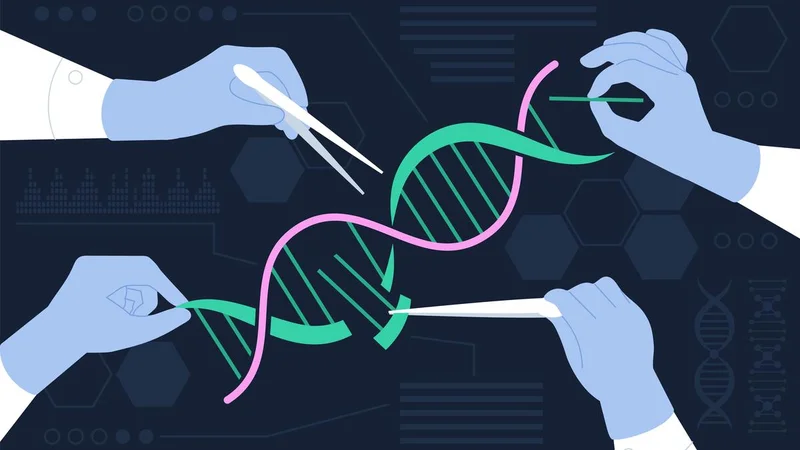
What happened then was the child underwent base editing therapy, a specialised form of gene editing therapy. The therapy was directed at her brain to correct a genetic mutation in her brain cells. The parents are believed to have financed much of the therapy’s development. Within days of the therapy, the child developed a fever and kidney damage, and died a week later.
The case has thrown up a number of issues: why was an experimental treatment such as this allowed to go forward even after animal testing had reportedly found dangerous side effects? How much treatment of this sort should be allowed when its effects are still not fully understood? Are there gaps in scientific regulatory mechanisms that need to be fixed? Should families of patients be financially supporting such treatments? And finally, what does this say about our treatment of persons with disabilities?
Guest: Dr. Debojyoti Chakraborty, Senior Principal Scientist, CSIR Institute of Genomics and Integrative Biology, New Delhi
Host: Zubeda Hamid
Producer: Jude Weston
For more episodes of In Focus:
Published - August 10, 2026 06:35 pm IST