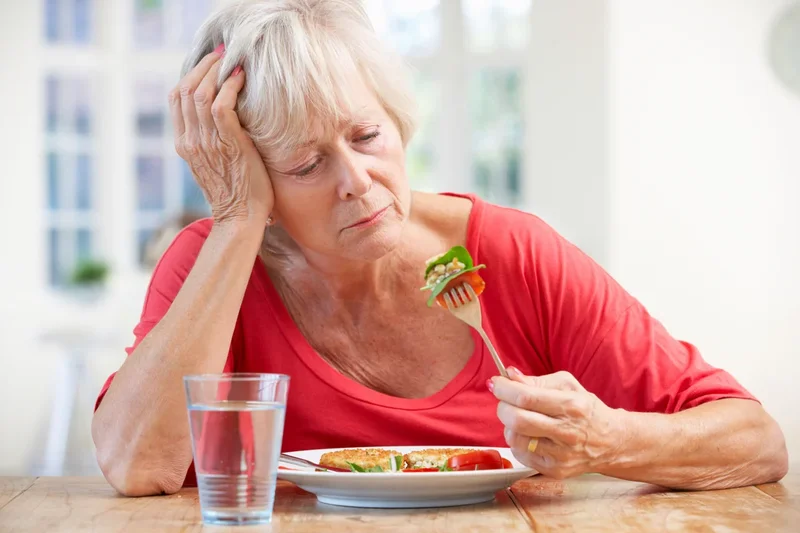
While many of us have noticed our sleep taking a hit during the recent heatwaves, the impact of rising temperatures on our appetite is often overlooked.
As the UK braces for its fifth heatwave of the summer, you may have observed small or subtle changes to your eating, such as the foods you are craving.
With this in mind, we spoke to private GP and co-founder of Coyne Medical in London, Dr Lucy Hooper, who explained why we often experience a reduced appetite when temperatures climb and shared some advice on how to manage this.
What is happening in the body that might cause our appetite to decrease in hot weather?
Brain signals
“The brain itself detects temperature like a thermometer, so there are some special nerve cells in the brain that send out chemical messages to reduce your appetite when your body gets too warm,” says Hooper.
Change in blood flow
A reduced appetite can sometimes be the consequences of a change in blood flow that takes place when the body tries to cool itself down.
“When we’re really hot, blood is diverted away from our gut and digestive system, mainly to the skin so that we can sweat more and cool our body down,” explains Hooper.
“Diverting blood away from the gut slows your gut down, which often leads to a reduction in appetite. You might even feel a little bit nauseated if it really hot.”
Hormones
“All the discourse around GLP-1 weight medications, such as Mounjaro, has highlighted the impact gut hormones have on our appetite,” says Hooper.
“During heatwaves, especially if we’re exercising in hot weather, our gut hormones can come into play and can reduce our appetite.”
Internal temperature
“Food and eating increases your overall internal temperature, so if you are already really hot your body’s natural mechanism will be to avoid adding more temperature rises by eating,” says Hooper.
Are some people more affected than others?
“The young and elderly tend to be more sensitive to heat and heat-related illnesses, because of changes in their biology. People with pre-existing health conditions like heart and lung conditions are also more vulnerable,” says Hooper.
“People who do lots of sports or work outdoors are also more likely to be affected.”
The GP adds that people on GLP-1 weight management medications that already impact gut hormones will also be more impacted.
“Some people that are already struggling with their appetite and are taking things like GLP-1 medication might find that their appetite, which is already small, reduces even more in heat,” says Hooper.
What can we do to manage these effects?
Adjust eating times
“You might want to consider eating during the cooler hours of the day, such as early morning or late evening,” recommends Hooper.
“ln hotter countries like Spain people tend to eat their dinner very late in the evening.”
Eat little and often
“Because your appetite will be reduced, it might be hard to eat a big meal. So, it might be better to have smaller snacks more regularly,” suggests Hooper.
Stay hydrated
“Fluid is really important, so make sure you are drinking plenty of water to stay hydrated,” advises Hooper. “Sip water regularly instead of waiting until you get thirsty.
“If your urine starts to become darker and you pass much less urine, that is a clear sign that you need to drink more water.”
Stock up on cooler foods
“If you’re already feeling really hot, eating a massive bowl of hot pasta or a spicy curry is probably going to make you feel worse, so seek out colder foods, such as salads, watermelon and ice lollies,” recommends Hooper.
Don’t forget about protein and carbohydrates
“Your body needs energy, so make sure you are still including carbohydrates and protein into your diet,” advises Hooper.
Consider a multivitamin
“If you feel like you’re really not getting enough nutrients in and your food intake isn’t ideal, buying some multivitamins from a pharmacy might be helpful,” says Hooper.
See a doctor if it persists or starts affecting your day-to-day life
“If you feel like you’re not passing urine regularly, are not able to drink enough water, feel like you’re not able to get a regular amount of food in, and feel weak and can’t carry on your usual daily activities, then you should talk to your doctor about this,” advises Hooper.