- See more This is Money on Google - save us as a Preferred Source
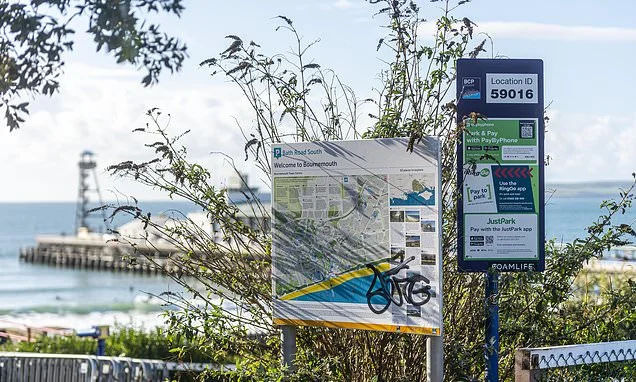
Drivers are being ripped off when parking at the seaside as councils eat into family summer savings with extortionate costs, Britain's biggest motoring organisation warns.
Parking at some seaside spots now costs between £20 and £30 for six hours, with councils effectively clawing back savings the Government has given families in the form of its Great British Summer Savings scheme.
A third of drivers encountering parking charges of £20 to £30 at the seaside would either leave the resort immediately or vow never to come back, according to new analysis of 10,594 AA members.
Councils are also trialling higher peak-season summer parking fine amounts – for example, Bournemouth has fines of £110 to £160 in August, more than double the £50 to £70 normally charged.
These are designed to deter rogue parking on verges, double yellow lines, in residential parking areas and on roundabouts, but the AA says last year the council overreached with these powers, applying them to other minor parking offences.
The AA says while drastic measures are needed to force better parking compliance close to resort beaches, research suggests steep parking charges are likely to have contributed to the problem.
Parking at some seaside destinations now costs between £20 and £30 for the day
Yet the research shows just 1 per cent of drivers faced with sky-high parking charges would consider illegal parking as an alternative.
Bournemouth isn't the only place charging exorbitant fees for seaside parking.
Rother District Council charges £30 for more than six hours of parking at Camber Sands (from April 1, 2026), while Brighton charges £18 at the Black Rock and King Alfred car parks, and East Devon seaside car parks can charge £2.20 an hour.
In Southend-on-Sea, depending on the zone, beachfront parking can cost £3-an-hour.
In contrast, many coastal car parks in Wales, Scotland and Northern Ireland are free of charge.
Aberdeenshire has a unique voluntary parking charge as a means of allowing visitors to show their appreciation for the facilities provided and their enjoyment of them.
Other councils are also taking new measures to combat the problem of bad parking with red routes, using double red lines 'to highlight that vehicles cannot stop or park on the road, verge or pavement behind the lines'.
They are using the £70 maximum normal fine outside London.
The AA says that last year Bournemouth Council overreached with its fining powers, applying the same fines to visitors who did what the council wanted by parking in an official car park but then committing a common everyday offence, such as parking over the line, overstaying their time or failing to display a ticket properly.
Jack Cousens, the AA's head of roads policy, says: 'Summer visitors and the money they bring to coastal resorts are often the lifeblood of tourism and commercial vibrancy in these places.
'However, some councils use parking charges to leech excessive payments from day-trippers and holidaymakers in the hope of filling the black holes in their finances.
'AA research shows they simply drive visitors away.
'Bad parking is unacceptable behaviour by drivers, for which Parliament affirmed the penalties in 2022, but parking charges that are close to or exceed the half-rate fines for early payment contribute to that bad behaviour.
'AA research shows that just one per cent of drivers lean towards illegal parking and fines as an alternative to paying excessive parking charges.
'A third will, however, look to see if there is somewhere else to park legally. That is a situation some councils have created.'
From September 1, 2026, throughout summer, VAT is temporarily cut to help reduce the cost of days out and support businesses by increasing footfall.
The Great British Summer Savings scheme makes children's meals in restaurants, kid's tickets to cinemas and theatres, and entry to a wide range of attractions cheaper.
The AA has found that only a quarter of drivers check parking costs before heading to the beach
Check parking ahead of time and cheaper beach parking alternatives
The AA has found that only a quarter of drivers check parking costs before heading to the beach.
Twelve per cent assume the charges will be much the same as they pay at home, and 7 per cent say they have previously been stung by high parking costs at resorts and now always check in advance.
It is advisable to check ahead of time, however, because you may want to pick a different resort, beach or popular tourist spot in favour of another destination in the same region with cheaper parking.
For instance, parking for the day at Hayling Island is £11.50, while it costs £9.60 for six to eight hours at Portsmouth's Southsea, whereas parking at West Wittering, Sussex, costs £14.60 on weekdays without pre-booking.
This rises to £16.25 on weekends and bank holidays.
Have you seen high parking charges at a UK seaside destination? Get in touch: editor@thisismoney.co.uk