TL;DR
FCC proposing to expand drone ban to cover LiDAR, thermal imaging, aerosol dispensing, swarms, and heavy drones. Would retroactively ban previously-approved DJI models. Existing owners unaffected. DJI calls it “total reversal.” Comments open until September 2.
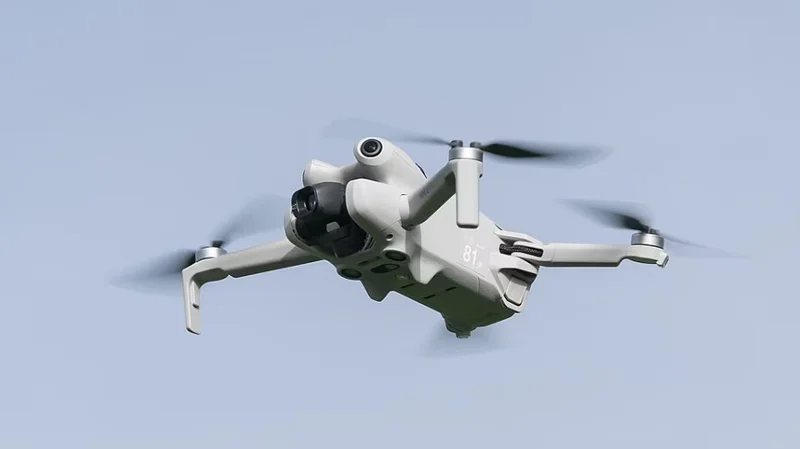
The FCC is considering banning DJI drones that it already approved for sale in the United States. The proposal would expand the agency’s existing drone restrictions to target specific capabilities: LiDAR sensing, thermal imaging, aerosol-dispersing systems, coordinated swarm operations, docking stations, and drones weighing 55 pounds or more. The FCC is classifying these features as “military-grade.” Several popular DJI models that already have FCC clearance, including the Air 3S, Avata 360, and Mini 5 Pro, would be pulled from the US market if the proposal goes through.
This is a significant escalation. DJI was already banned from selling new models after the FCC added it to the Covered List in December 2025. That ban affected future products while allowing previously-approved drones to remain on sale. Last month, the FCC expanded restrictions to cover companies suspected of rebranding DJI hardware. Now the question is shifting from “who made this drone?” to “what can this drone do?” — a change that could affect any manufacturer, not just Chinese ones.
If you already own one of the affected drones, the government is not coming to take it. The FCC says existing owners are not targeted. But if manufacturers cannot sell additional units, replacement parts could become harder to find. Software updates and continued support could also be affected. DJI’s commercial drones are used for agricultural spraying, search-and-rescue operations, and infrastructure inspection, so restrictions would affect businesses and public agencies alongside consumers. The US banned DJI but China controls 90% of rare earth magnets and 99% of drone batteries needed to build replacements, a supply chain problem that banning more models does not solve.
DJI called the proposal a “total reversal” of the FCC’s previous position. The agency is accepting public comments until September 2. If adopted as written, the ban on imports and sales would take effect roughly 180 days after publication. The pattern is clear: the FCC started by blocking new foreign drones, then targeted rebranded hardware, and is now going after specific capabilities on drones it already cleared. Each round makes the restrictions broader and harder for the industry to plan around. A drone that was perfectly fine to sell yesterday could be banned from sale tomorrow.