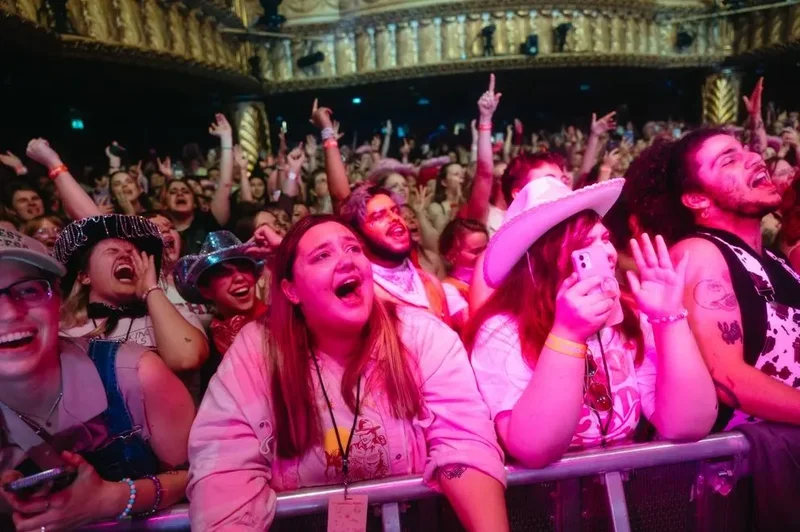
One of the most common problems A&R and marketing teams run into after signing new talent: an artist with strong numbers on social media and streaming platforms who cannot fill a room. The follower count looks like an audience. The ticket sales say otherwise. Artist development is a hot topic, but what does it mean to actually develop an artist at this stage?
It is also one of the more expensive problems to get wrong. Labels and managers can pour money into paid promotion and playlist placement without ever addressing the actual gap, which is usually not visibility but connection. An artist can be everywhere on someone's For You page and still be a stranger to them.
I asked marketing and A&R executives working directly with artists at this stage of development what the first move should be. Their answers point to the same underlying issue. A large digital footprint is not the same thing as a fan base, and the artists who successfully make that conversion tend to follow a version of the same playbook: consistent output, real one-to-one engagement, and direct communication with the people already paying attention.
Consistency Creates More Doors In
Alyssa Castiglia, senior director of A&R and head of A&R research at UnitedMasters, starts with the release calendar itself. "I always tell artists the most important thing they can do is release music consistently, not only because I'd rather the algorithm support your actual music over social media imprint but because then your fans have more touch points to discover you at," Castiglia said. "Then I'd find a way to translate what the live experience is over socials. If you're a great singer, sing live, covers, your own songs, ad libs. If you're a great producer, show how you create your track from scratch."
She also points to what happens once a show actually gets booked. "In this economy, where folks have to justify going out, make sure when you do have shows they're intentional and unique experiences that bring your community together," Castiglia said.
Chappell Roan is the case study for what patience and consistent output can build. She signed to Atlantic Records at 17 and began uploading covers and original songs years before most people had heard her name. Her first EP under the Chappell Roan name arrived in 2017. She kept releasing, kept performing, and kept refining a persona built around drag culture and camp long before "Good Luck, Babe!" broke into the mainstream in 2024. By the time the viral moment happened, there was already a fully formed live show waiting on the other side of it, drag performers opening her sets, a percentage of every ticket going to a trans-led charity, and a visual world fans had been building toward for years. The overnight success took nearly a decade of exactly the kind of touch points Castiglia describes.
That timeline matters for artists and teams looking for a shortcut. Roan's audience did not need to be convinced to buy a ticket once "Good Luck, Babe!" broke, because the live show was already the payoff to a story they had been following. The song did the work of pulling new listeners in. The years of consistent releases and increasingly elaborate performances did the work of making sure there was somewhere real for those listeners to land.
Community Management Is the Unsexy First Step
Liam James Ward, CEO and founder of Something Something, argues that before any strategy adjustment, the more basic question needs answering. "There are many things I'd be looking at, the content strategy itself, the demographics who ARE giving a damn, what's our direct-to-fan play, but the first port of call is far less sexy and probably why it's so overlooked. Sleeves rolled up and hands dirty, what's our community management plan on social itself?" Ward said. "For the fans we already have? Every follow, every comment, every DM is someone knocking on the door. We have a habit of keeping fans out in the cold and complaining our house party isn't busy enough."
Ward separates the broadcast function of social media, posting content to be seen by a large audience, from the second stage that most teams skip. "Broadcast is step one of what should be a multi-stage plan. Now that we've got all these inbound connections from the content, we need to get one-to-one. Just dropping a like isn't going to cut it either, that's barely acknowledging a very real human being on the other end of that username, never mind a conversation."
He calls this the fastest and most reliable growth lever available, and also the one nobody wants to do the manual work for. "The fan who's had a real exchange with you is the one who buys the ticket, travels for the show and brings three mates with them. Nobody's going out of their way for someone who haphazardly dropped a bunch of fire emojis in response to their bid for connection."
Gracie Abrams built her early fan base almost entirely on this principle. Before she was selling out arenas, she was replying to fans directly in her DMs, sometimes spending the night of a release personally messaging people who reached out. She has described trying to respond to fans individually because she considers many of them close friends, not a follower count. Her earliest tour, a virtual show streamed over Zoom during the pandemic, became so popular that fans started sharing links so others could sneak in and watch alongside them.
That habit did not disappear once her audience scaled into the millions. It shaped a fan base known for its intensity and loyalty, the kind that shows up in person, waits outside venues hours before doors open, and travels between tour stops, because the relationship already felt personal long before there was an arena tour to sell them a ticket to.
Don’t Be Afraid To Ask the Fans Directly
Alyssa Sarti Garcia, owner and head of marketing at VOZ360, focuses on building a direct line of communication rather than relying on public-facing platforms alone. "Launch their community fan base channels for them to have direct communication with their fans, and then host a super fan feedback session where I ask fans questions about their music and branding and get feedback on what they think," Garcia said. "Talking to the fans is the first step I would take because you find out so much when you communicate directly with your audience."
Garcia points out that the answers are often more specific than teams expect. "Maybe they didn't like the last song they released, or they didn't share the last video you made because of X reason. Getting to the root of why a fan isn't going deeper into an artist's ecosystem is where I would start in translating a digital audience to a touring audience."
Taylor Swift's Secret Sessions are the clearest large-scale example of this instinct in action. Ahead of albums like 1989, reputation, and Lover, Swift personally selected small groups of fans and invited them into her homes to hear the record before release, then spent hours talking with them about the songs, their favorite lyrics, and what the era meant to them. The sessions were never framed as market research, but they functioned as one. Swift got direct, in-person reactions to the material before it reached the public, and the fans who attended became some of the most vocal early advocates for each rollout, posting about the experience for weeks before the album arrived.
The scale is different from what most developing artists can pull off, and Swift's version involves a level of production most teams will never have the budget for. But the underlying move, gathering a small group of real fans and asking them what they think before the wider release goes out, is available at any level. It does not require a house or a film crew. It requires being willing to ask the question and sit with the answer, which is closer to what Garcia is describing than it might first appear.
The Common Thread
Castiglia, Ward, and Garcia are describing three different tactics, a release cadence, a comment section strategy, and a feedback loop, but they are all solving the same problem from the same direction. None of them start with paid promotion, a bigger content budget, or a flashier rollout. They start by treating the existing digital audience as individuals rather than as a metric.
That is a harder sell internally than it sounds. Consistent releases, personal replies, and fan listening sessions do not show up cleanly on a dashboard the way follower growth or view counts do. But the artists who have made the digital-to-live jump, whether over a decade like Chappell Roan or in near real time like Gracie Abrams, all converted the same way: by making the people already paying attention feel like they were part of something, well before there was a tour to sell them a ticket to.