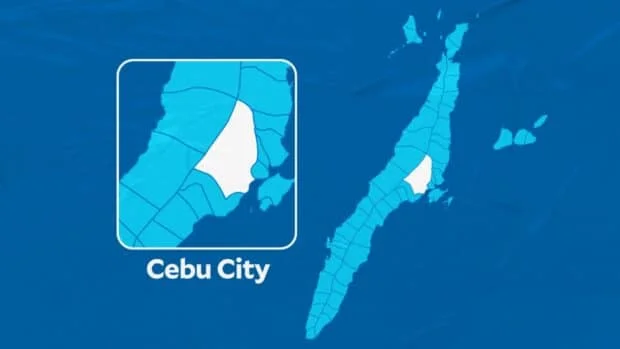
Pasil urges Cebu City to fund, enforce 3-meter Guadalupe easement
CEBU CITY, Philippines — Barangay Pasil has urged the Cebu City Government to enforce the mandatory three-meter easement along the Guadalupe River and fund its implementation, citing recurring flooding, river encroachment and the need for faster maintenance and emergency response.
The Sangguniang Barangay of Pasil approved a resolution and endorsed it to the Cebu City Council, requesting that the city government prioritize the clearing and protection of the river corridor.
The resolution specifically calls on Mayor Nestor Archival, Vice Mayor Tomas Osmeña, and the members of the Sangguniang Panlungsod to implement the three-meter easement along the portion of the Guadalupe River within Pasil and allocate funds for the initiative.
This comes as Cebu City continues to grapple with flooding during heavy rains and steps up efforts to clear its waterways.
Beyond desilting
The barangay said enforcing the easement would help prevent structures and other obstructions from constricting the Guadalupe River, allowing it to carry more stormwater during periods of intense rainfall.
It also said the three-meter corridor would provide government personnel with better access for regular maintenance, dredging, desilting, river rehabilitation, inspections, and emergency operations.
The resolution identified 10 objectives, including compliance with laws and environmental policies governing waterways; protection of the river from encroachment and illegal structures; reduction of flood risks; preservation of riverbanks; and improved waste management.
Pasil also cited public safety, climate resilience and protection of nearby infrastructure from erosion and other hazards associated with encroachment.
The barangay said enforcing the easement would also improve the cleanliness, sanitation and overall environmental condition of the Guadalupe River corridor.
A recurring flood problem
The Guadalupe River is part of the city’s network of waterways that carries rainwater from upland areas toward the coast.
But years of urban development, silt accumulation, solid waste, and structures built along waterways have reduced the capacity of several rivers and creeks to carry stormwater efficiently.
When heavy rain overwhelms these constricted channels, water can spill into adjacent low-lying communities, worsening flooding and disrupting roads and residential areas.
Cebu City experienced another round of widespread flooding on July 22, when monsoon rains inundated at least 11 major areas, including portions of N. Bacalso Avenue and several residential communities.
The flooding occurred three weeks after Archival created a multi-agency task force tasked with inventorying the city’s waterways, clearing obstructions and conducting emergency desilting.
The task force, however, currently relies on the existing budgets and logistical resources of participating city departments.
That makes Pasil’s request for dedicated funding significant: the barangay is asking the city to move beyond short-term clearing operations and invest in the physical enforcement and protection of the river easement.
What the three-meter rule means
The three-meter easement refers to the legally protected strip along waterways where structures and activities that obstruct the natural flow of water may face restrictions.
For Pasil, enforcing the easement would mean establishing and protecting a clear corridor along the Guadalupe River where government agencies could conduct maintenance, inspections, rehabilitation, and emergency operations.
But clearing existing structures presents a legal and social challenge.
The city cannot simply remove homes or other structures occupied by residents without following the requirements of existing housing and relocation laws.
Under Republic Act No. 7279, or the Urban Development and Housing Act, government agencies must observe due process and coordinate relocation and assistance for qualified families affected by clearing operations.
This means enforcement requires more than demolition or physical clearing. The city must first identify affected structures and residents, coordinate with the appropriate housing agencies, and provide the necessary legal and social safeguards.
The process can take time, particularly in densely populated communities where families have lived along waterways for years.
Enforcement remains a citywide challenge
Cebu City officials have previously acknowledged difficulties in enforcing the three-meter easement and relocating families from high-risk areas.
Councilor Dave Tumulak, chairman of the Cebu City Disaster Risk Reduction and Management Council, previously called for stronger enforcement and the formal declaration of danger zones along waterways.
“The danger zones should be declared as danger zones. The mayor recommends these declarations to the city council based on rapid damage assessments,” Tumulak said.
He also pointed to the role of barangay officials in enforcing safety measures and protecting residents living in vulnerable areas.
Tumulak acknowledged that relocation could become complicated by political and community considerations.
“Lisod man gud ni ang politika ba usahay kay ang uban kapitan, sad to say, madala sa hangyo sa constituents because one of the problems lagi is the location, asa ang relocation site,” he said.
(Politics can sometimes make this difficult because some barangay captains, sadly, can be swayed by constituents’ appeals, with one of the problems being the location of the relocation site.)
The city’s Division for the Welfare of the Urban Poor has previously identified relocation areas for families living in high-risk zones, although relocation efforts have faced concerns over documentation, livelihood, access to schools and communities, as well as requests for financial assistance.
Disclaimer: The comments uploaded on this site do not necessarily represent or reflect the views of management and owner of Cebudailynews. We reserve the right to exclude comments that we deem to be inconsistent with our editorial standards.