In 2017, the World Health Organization (WHO) issued an information note on multi-disease testing devices in integrated laboratory networks, saying such platforms could improve efficiency, reduce costs and increase patient access by allowing disease-specific tests for TB, HIV and viral hepatitis on a common platform. WHO has subsequently continued to support diagnostic integration.
In September 2025, WHO announced the development of its first guideline specifically on multiplex testing, describing it as the use of one sample and a single assay or platform to detect multiple infections simultaneously. The proposed guidance covers HIV, viral hepatitis and sexually transmitted infections and is intended to establish principles for integrated testing.
But an important distinction here is, a common diagnostic platform is not the same as a common patient sample.
Different diseases, samples
Several technologies can detect multiple pathogens from a single specimen. Multiplex real-time PCR can detect several genetic targets in one reaction, while next-generation sequencing platforms such as Illumina and Oxford Nanopore can analyse genetic material in a specimen and potentially identify a broad range of organisms.
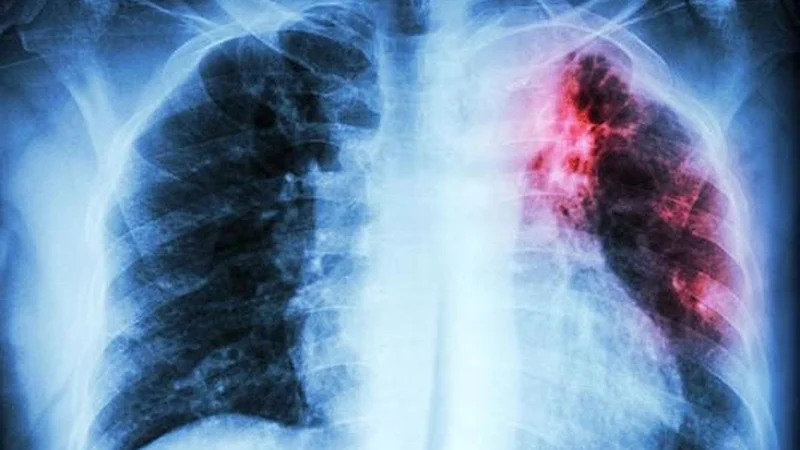
But the specimen itself determines what can be detected, points out Swathi Krishnan, TB researcher and public health physician based in Pune. TB, HIV, hepatitis B, hepatitis C and HPV are not all optimally detected from the same specimen. TB is generally diagnosed using respiratory samples such as sputum, while HIV and hepatitis B and C are commonly tested using blood. HPV testing requires a cervical sample.
Arun Panchapakesan, assistant professor and laboratory manager at the Molecular Biology Laboratory, YR Gaithonde Centre for AIDS Research and Education, Chennai, says the main challenge is therefore not whether technology can identify multiple pathogens, but whether the right specimen is being used. “The challenge lies in the choice of the clinical sample itself,” he says.
There are technical considerations too, says Subramanian Swaminathan, senior consultant, infectious diseases, Gleneagles Chennai. Increasing the number of targets in a testing system can affect sensitivity in some circumstances, potentially resulting in a missed infection. Handling multiple tests also raises the risk of cross-contamination and false-positive results unless laboratories have validated workflows and strong quality assurance.
One visit, multiple relevant tests
If one specimen cannot reliably answer every diagnostic question, experts say the more practical opportunity is to integrate testing around the patient.
TB and HIV already provide the clearest example. WHO identifies collaborative TB/HIV activities as a key component of its TB strategy. Dr. Krishnan says this approach could be widened. She proposes integrating screening for HIV, diabetes, undernutrition and anaemia alongside TB screening for people presenting with symptoms suggestive of TB. “These are the key co-morbidities but are often overlooked, except HIV,” she says.
A 2026 review published in The Lancet, involving 19,581 people with TB across 21 countries, found that diabetes screening identified diabetes in 7.8% of people screened overall, with higher yields in South-East Asia and other high-burden settings. The WHO also estimates that about 15% of people with TB have diabetes and has embedded integrated, patient-centred care for TB and related conditions within the End TB Strategy.
Dr. Arun cautions, however that multi-testing should not become indiscriminate testing. Most people are not simultaneously infected with several unrelated pathogens. Its greatest value is likely in populations where the probability of co-infection is higher.
People living with HIV, for example, have increased risks of TB, hepatitis B and hepatitis C because of shared transmission routes and immune suppression. Targeted multi-disease testing could therefore be more useful in such groups than universal multiplex molecular testing. HIV, hepatitis B, hepatitis C and syphilis may be grouped in some settings because of shared transmission routes, while glucose and cholesterol testing serve different clinical purposes.
“While we can make some bundles, much of this needs individualisation,” Dr. Swaminathan says.
Using existing TB platforms
India already has considerable molecular diagnostic capacity for TB. Experts say platforms such as CB-NAAT and Truenat could be used more efficiently for other diagnostic applications as well.
The same analyser can perform different tests, although each disease requires its own validated cartridge, reagent or chip. Dr. Krishnan says making different kits available could be particularly useful in smaller centres, where TB testing volumes may not fully utilise the available equipment.
Dr. Arun says real-time PCR is relatively adaptable and that adding targets to a PCR reaction is technically feasible. Indian manufacturers already produce specialised kits for simultaneous detection of infections such as HIV, HBV and HCV.
However, a machine alone cannot create an integrated diagnostic service.
Different assays require validated workflows, appropriate sample processing, trained personnel, quality assurance and reliable reporting. Cost is another consideration. For HIV, HBV and HCV, conventional antigen- or antibody-based screening can often be cheaper and simpler than multiplex molecular testing, with nucleic-acid tests used when clinically indicated.
“Routine multiplex molecular testing of all patients is unlikely to be cost-effective,” Dr. Arun says. He sees greater value in targeting populations where co-infection is suspected.
Dr. Krishnan also points to the practical problem of supply. Cartridges, reagents and other consumables need to reach laboratories consistently. Stock-outs can undermine an otherwise functional diagnostic network. She also notes that Truenat availability does not extend uniformly to the primary-care level and that existing centres can already face high sample loads.
Next-generation sequencing offers an even broader technological possibility. Platforms such as Illumina and Oxford Nanopore can analyse nucleic acids in a specimen without requiring a pathogen to be specified in advance, potentially identifying viruses, bacteria, fungi and parasites. But the cost, laboratory requirements, bioinformatics and specialised workforce currently make these platforms unsuitable for routine large-scale screening in resource-constrained settings.
The endpoint is not necessarily a single tube that tests for every disease. The more immediate opportunity is integrated diagnosis around the patient. Experts say, multi-testing need not mean testing everything from one sample. It can mean making one visit count for more of the conditions that matter to a person with, or at risk of, TB.
Published - August 11, 2026 02:58 pm IST