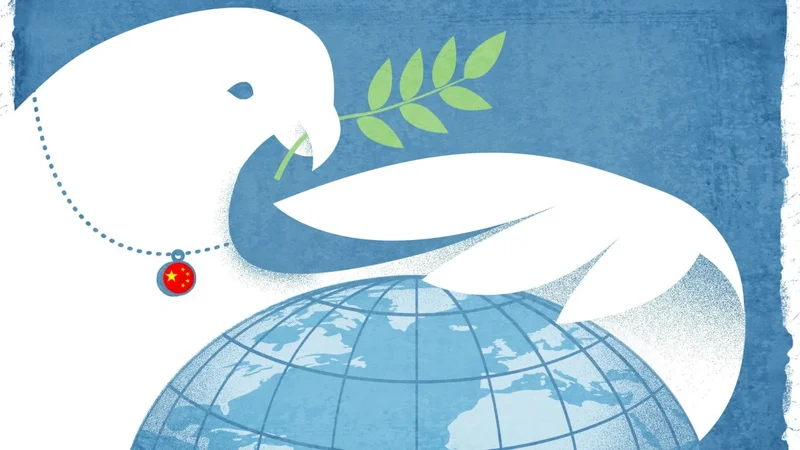
A strong China is the best hope for the ‘long peace’ to endure
If China’s rise shows it rejects hegemonic ambitions, the hope is that it can make a difference and foster a more peaceful world
The Long Peace: Inquiries into the History of the Cold War. It refers to the fact that, from the end of World War II in 1945 into the 1980s, more than 40 years passed without a third world war between the United States and Soviet Union. For centuries before 1945, great powers fought destructive general wars such as the Napoleonic Wars, World War I and World War II roughly once every generation.
The real long peace is China’s peaceful rise that began in 1978, when Beijing started its “reform and opening up” period. Peace lasting half a century has been a rarity throughout Chinese history. Chinese dynasties are punctuated with discontented peasant groups forcibly toppling reigning dynasties, only for subsequent peasant uprisings to overthrow the regime in a repeating cycle. Even in the early decades after the founding of the People’s Republic of China, military conflicts still occurred roughly once every decade, including the Korean war, the Sino-Indian war and the Sino-Vietnamese war.
After 1978, the nation shifted its core priority to economic development. Subsequent diplomatic crises, such as Nato’s bombing of the Chinese embassy in the former Yugoslavia and the fatal Sino-US military aircraft collision in the South China Sea in 2001, didn’t distract it from this strategic focus. This era of peace represents one of the longest spans of stability and prosperity across Chinese civilisation.