Guyana’s Kurupung Uranium Plan Runs Into Indigenous Opposition
Guyana · Mining
Key Facts
- ProjectKurupung Uranium Project, a 92.2 sq km exploration property in Region Seven (Cuyuni-Mazaruni).
- ResourceHistorical estimate of 20.6 million pounds of uranium; figure is unverified and not current.
- OperatorCanada’s U92 Energy Corp, which controls the project via LIA Industries and local subsidiary LIA (Guyana) Inc.
- LicencesTwo prospecting licences issued by the GGMC on 19 April 2024, valid for three years with possible extensions.
- TimelineU92 expects phase-one drilling to begin in August 2026, pending EPA approval of its environmental management plan.
- OppositionAmerindian Peoples Association and Region Seven Vice-Chair Alden Marslowe demand a halt over lack of consultation.
A Canadian-controlled uranium exploration project in Guyana’s remote interior is facing mounting Indigenous opposition over consultation gaps, even as regulators weigh approval.
For readers following Latin America’s resource frontier, the Kurupung uranium project in Guyana’s Region Seven has become a flashpoint over how mining licences are issued and who gets a say before drilling begins. The project, controlled by Canada’s U92 Energy Corp, holds a historical resource estimate of 20.6 million pounds of uranium across a 92.2 sq km property. But the controversy is less about the mineral itself than about process: licences were issued in April 2024, yet the public only learned of the project through press reporting in April 2026, and affected communities say they were never properly consulted.
What is the Kurupung uranium project?
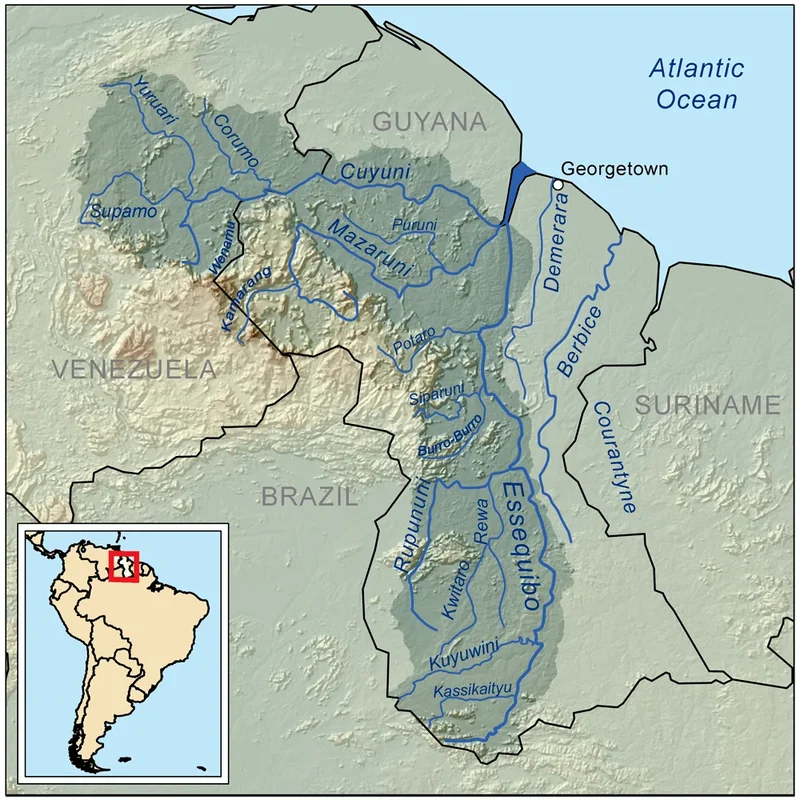
The Kurupung uranium project is an early-stage exploration property in the Cuyuni-Mazaruni region, a heavily forested area in western Guyana. U92 Energy Corp, a Toronto-based company, acquired control earlier in 2026 through the purchase of LIA Industries Pte. Ltd. and its Guyana subsidiary, LIA (Guyana) Inc., which holds the prospecting rights. The local subsidiary was incorporated in Guyana on 20 March 2023, and the Guyana Geology and Mines Commission (GGMC) issued two prospecting licences on 19 April 2024 covering uranium, other radioactive minerals, and rare earth elements.
The licences are valid for three years with possible extensions. U92 has described the project as a priority asset, and has said it expects phase-one drilling to begin in August 2026, once the Environmental Protection Agency (EPA) approves its environmental management plan. The historical resource estimate of 20.6 million pounds of uranium dates from earlier work and has not been confirmed under current reporting standards, so it should be treated as an indicative figure rather than a proven reserve.
Who is opposing the project and why?
The most vocal opposition has come from the Amerindian Peoples Association (APA), which has called for the project to be halted. The APA says there has been a lack of public and community-level consultations, and that affected communities were not given enough information before the project advanced. The association has framed the issue as one of consent and information access, arguing that Indigenous peoples in the Middle Mazaruni area have a right to know what is being proposed on their traditional lands before any ground is broken.
Region Seven Vice-Chair Alden Marslowe has also urged the government and the EPA to halt further approvals. In public statements, Marslowe has posted “hands off the Kurupung” and warned that Guyana must not gamble with the future of the Middle Mazaruni. The timing of public awareness is a central grievance: the licences were issued in April 2024, but the project only became widely known through press reporting in April 2026. That two-year gap has fuelled suspicions that decisions were made without adequate transparency.
What is the government’s procedural stance?
The government’s position appears to be one of procedural review rather than outright rejection. The EPA has been reviewing U92’s environmental documents, and the company has said it will not begin drilling until the EPA approves its environmental management plan. That approval process is still pending, and no date for a decision has been publicly confirmed. The government has not signalled any intention to revoke the licences or to impose a moratorium on uranium exploration.
Separately, reporting indicates that the Guyana government has not yet fixed a royalty rate for any future uranium production at Kurupung. Company filings state that the rate would be negotiated when a mining-permit application is made, meaning the fiscal terms for any eventual mine remain undefined. This procedural approach — allowing exploration to proceed while deferring key decisions on royalties and final approvals — has done little to assuage critics who argue that consultation should happen before licences are granted, not after.
What happens next?
The immediate test is the EPA’s review of U92’s environmental management plan. If approved, the company has said it will begin phase-one drilling in August 2026. That timeline could slip, however, given the political and legal pressure building around the project. The APA and regional leaders have not indicated they will accept an EPA approval without further challenge, and the absence of a fixed royalty rate leaves a significant unresolved issue for any future development.
For the Guyana government, the Kurupung uranium project presents a delicate balancing act. On one hand, the country is seeking to diversify its mining sector beyond gold and bauxite, and uranium could be a strategic export. On the other, the government has repeatedly committed to free, prior and informed consent for Indigenous communities under international frameworks. The gap between those commitments and the actual sequence of events at Kurupung — licences first, consultation later — is now the central point of contention.
Frequently Asked Questions
Where is the Kurupung uranium project located?
The project is in Region Seven (Cuyuni-Mazaruni) in western Guyana, a remote area with significant Indigenous communities. The property covers roughly 92.2 square kilometres.
Who owns the project?
Canada’s U92 Energy Corp controls the project through its acquisition of LIA Industries Pte. Ltd. and the Guyana subsidiary LIA (Guyana) Inc., which holds the prospecting licences.
Why are Indigenous groups opposed?
The Amerindian Peoples Association and regional leaders say affected communities were not properly consulted and were not given enough information before the project advanced. The licences were issued in April 2024, but the public only learned of the project in April 2026.
Connected Coverage
Sources: Kaieteur News; Amerindian Peoples Association; U92 Energy Corp filings; Guyana EPA.
This article was produced by The Rio Times’ automated newsroom system. How we use AI · Report an error