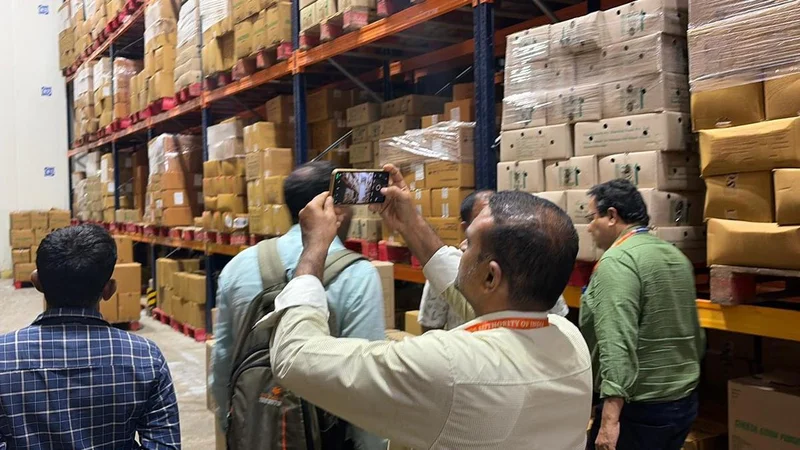
Hotels, dhabas, restaurants and other food service establishments in Karnataka have been asked to tighten food safety and hygiene practices, following inspections that found instances of expired food products being stored and poor hygienic conditions.
In an advisory issued on Tuesday (August 11), Karnataka’s Food Safety and Drug Administration Department has asked food business operators to strictly comply with food safety requirements relating to food preparation, storage, staff hygiene, transportation, water quality, toilets, pest control and waste disposal.
The advisory follows recent intensive State-level enforcement and inspection drives during which expired food products and unhygienic conditions were found at some establishments, including some star hotels. The department has warned that legal action would be initiated in cases involving expired food, contamination, unsafe water or other violations of food safety standards.
Kitchens and food preparation
The advisory requires cooking areas to be kept clean, properly managed and adequately ventilated. Separate sinks should be used for washing raw food and for cleaning utensils and equipment to prevent cross-contamination.
Utensils, crockery and cutlery should be properly washed using detergent and hot water. Raw materials should be procured from reliable and approved sources, stored hygienically and at appropriate temperatures, and checked regularly for quality and spoilage.
Fruits and vegetables are to be thoroughly washed before use, while food ingredients and prepared products should be covered and protected during storage.
Hot and cold food
Food must be properly prepared and thoroughly cooked. Vegetarian and non-vegetarian food preparation should be kept separate, with separate chopping boards, knives and utensils, said the advisory.
The advisory says cold food should be maintained below 5°C and hot food above 60°C during storage or display, wherever applicable. Frozen food should be stored at -18°C or below.
The department has also advised establishments to avoid reusing cooking oil and to dispose of used oil through authorised channels.
Food handlers under scrutiny
Food handlers have been asked to maintain high standards of personal hygiene and wear clean uniforms, hairnets or head covers and other protective clothing as required.
Their hands and fingernails should be kept clean and establishments should maintain valid medical fitness records for kitchen and food service staff. Regular training in food safety and personal hygiene has also been made part of the requirements.
Water, toilets and pest control
Only safe and potable water should be used for cooking, food preparation, washing utensils and cleaning. Establishments have been asked to conduct regular water-quality testing and maintain records.
Customers should be provided free access to safe drinking water and toilet facilities. Toilets are required to remain clean and hygienic during operating hours and should have adequate water, soap and hand-washing facilities. Hot water facilities should also be provided for the public.
Hotels and other food establishments have been asked to undertake regular pest-control measures to prevent infestation by flies, cockroaches, rats and other rodents, and maintain records of such activity.
No expired food in storage
The advisory specifically requires expired food products, spoiled fruits and vegetables and food showing signs of fungal growth to be removed immediately and disposed of safely.
Raw meat, fish, seafood and vegetables should be stored separately. Chilled food should be maintained below 4°C and frozen products at -18°C.
Establishments have also been warned against using unsafe artificial colours or unauthorised food additives.
Clean premises, waste disposal
Walls, floors and ceilings should be maintained in a clean and good condition, while premises should be free of peeling paint, cracks and exposed or hanging electrical wires.
Waste bins should remain covered and be emptied regularly. Food waste should be segregated and removed without being allowed to accumulate in kitchens or food preparation areas.
Food transported to establishments or customers should be carried in clean and hygienic vehicles, with appropriate temperatures maintained throughout transportation. Packaged products should be handled in a manner that keeps their seals intact.
The advisory also directs food business operators to display their food licence prominently and inform authorities about changes in their processes or activities.
The department has made it clear that compliance with the requirements is mandatory and that violations will invite action under the applicable food safety law.
Published - August 11, 2026 10:50 pm IST