Technology is supposed to make police work faster and safer. Most of the time it does. But every so often, a computer system hiccups, and an ordinary person ends up staring down the barrel of a gun for no reason at all. That is exactly what happened to Amber Newell of Brookfield, Wisconsin, not once, but twice in the span of a single week.
Newell was driving on I-94 near Milwaukee last Thursday afternoon when a Flock camera, an automated system that scans license plates and checks them against police watch lists, flagged her car as connected to a homicide investigation. Within moments, Brookfield officers had her vehicle surrounded, guns drawn, and a passenger’s hands out the window in plain view of passing traffic and plenty of cell phone cameras, reported Local 12.
The problem is, Newell had nothing to do with any homicide. Milwaukee police later admitted the alert should have been cleared out of the system days earlier, but an employee simply forgot to remove it. That oversight meant Newell had already been through a nearly identical ordeal the previous Monday, guns drawn and all, before it happened to her again.
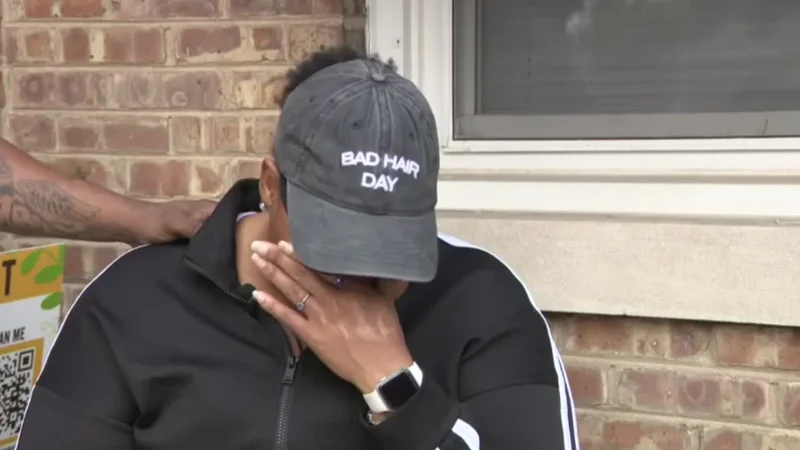
Newell says the whole thing has left her rattled behind the wheel, and understandably so. Her young daughter has reportedly asked if the police are going to “get us” again every time they get in the car. That is a heavy thing for a kid to carry over what boils down to somebody forgetting to hit delete.
How a Camera Mix-Up Turns Into a Felony Stop
Flock cameras work by reading plates and comparing them against active alerts uploaded by law enforcement. When a match pops up, especially one tied to a violent crime, officers are trained to treat it as urgent and approach with caution. That is a reasonable policy on paper. The trouble is that the system is only as reliable as the humans updating it, and in this case, Milwaukee police confirmed the wanted vehicle alert simply was not taken down after detectives no longer needed the car or its occupants.
Brookfield’s police chief has defended his officers, saying they responded appropriately given the information in front of them. That is fair. Nobody wants an officer to shrug off a homicide alert just in case it might be wrong. But it does raise the question of how many other outdated alerts might still be sitting in these systems right now, waiting to flag the wrong driver.
Flock Cameras: Good or Bad?
A tool built to keep communities safer only works if the people running it stay on top of the paperwork, and in this case, that basic step slipped through the cracks twice for the same family. Newell deserves an apology and some reassurance that her plate has finally been scrubbed from the system for good.
As for the rest of us, it is a good reminder that these cameras are everywhere now, and a little more oversight would go a long way toward keeping innocent drivers out of the crosshairs.