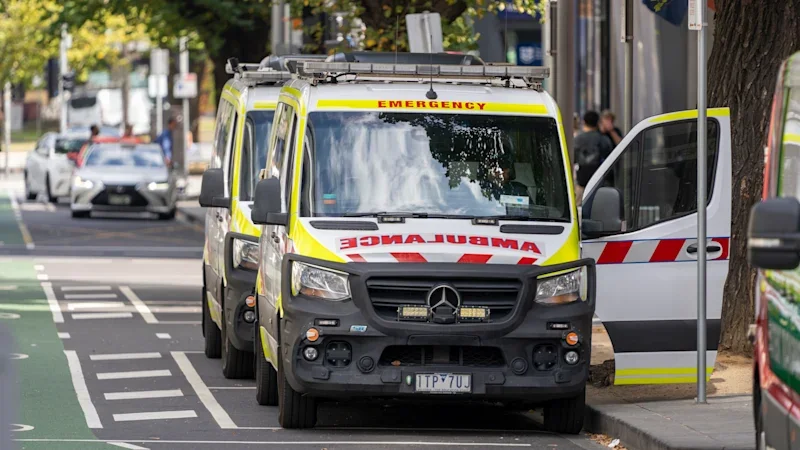
The media mogul Kerry Packer was clinically dead for eight minutes after suffering cardiac arrest at a polo match in 1990. He was so grateful paramedics arrived in time to resuscitate him he donated $2.5 million to NSW Ambulance to install defibrillators in most ambulances.
The people of NSW were grateful too, and coined “Packer whacker” to honour his gift. But, 36 years later, a question hangs over the lifesaving device: the medical regulator has suspended sale of new model defibrillators used across NSW’s ambulance fleet.
The Therapeutic Goods Administration announced late last month that it was suspending two corpuls defibrillators – the model 3 and the model 3T – and it was “likely” there were grounds to cancel the product’s registration. The suspension comes after an investigation by the Herald and 60 Minutes revealed alarming flaws in Australia’s medical device laws – including a different defibrillator, the CellAED, being given out by paramedics in Victoria despite a lack of human evidence that it could actually save a life.
An analysis of TGA data by the investigation found that since 2022, 117 adverse events linked to the corpuls3 and 3T - used in NSW, South Australia and Western Australia - were reported to the TGA, including 31 injuries, five deaths and more than 20 cases of the devices refusing to shock patients.
NSW Ambulance on Tuesday morning said the devices were “safe to use and safe to provide care”. Yet posts from an internal paramedic forum reveal serious internal concerns. As the Herald reports on Wednesday, posts from Marty Nichols, chief superintendent at NSW Ambulance, in March said the service had recorded 1129 corpuls failures in 2025 (there are 1500 devices).
The devices are used in NSW, South Australia and Western Australia.
In August 2022, the NSW government announced that Device Technologies had won a $55 million contract to supply the state’s ambulances with corpuls defibrillation devices. Safety and efficacy concerns saw paramedics required to carry back-ups until last year.
The three-month suspension comes into effect in two weeks and the manufacturers will be prevented from selling the device, but there are no restrictions on devices already in use.
Initially, authorities and manufacturers reacted to our revelations by fudging on the new-found concerns about the defibrillators: the German-made device’s Australian sponsor Device Technologies refused to disclose the reasons for the suspension while the TGA said devices may be suspended where “safety, quality or performance issues may be addressed within the suspension period”.
On Tuesday NSW Premier Chris Minns said he did not know why the TGA had suspended the devices, but had been informed that the model used in NSW ambulances was in working order. Then NSW Ambulance’s Alan Morrison told 2GB that the defibrillators were safe and not subject to the TGA’s suspension as they were supplied before the August 25 ban.
However, the president of the Australian Paramedics Association Brett Simpson called the statements “confusing,” and rejected assurances there were no issues with devices currently used by NSW Ambulance fleets. He said paramedics had witnessed issues with a corpuls device last weekend.
Amid such confusion, any glitch that prevents the devices from working when they’re most needed is of concern. Amid the concerning revelations from this masthead, the continuing failure to provide a clear explanation by those who supply, regulate and operate defibrillators only serves to undermine confidence in a life-saving technology.