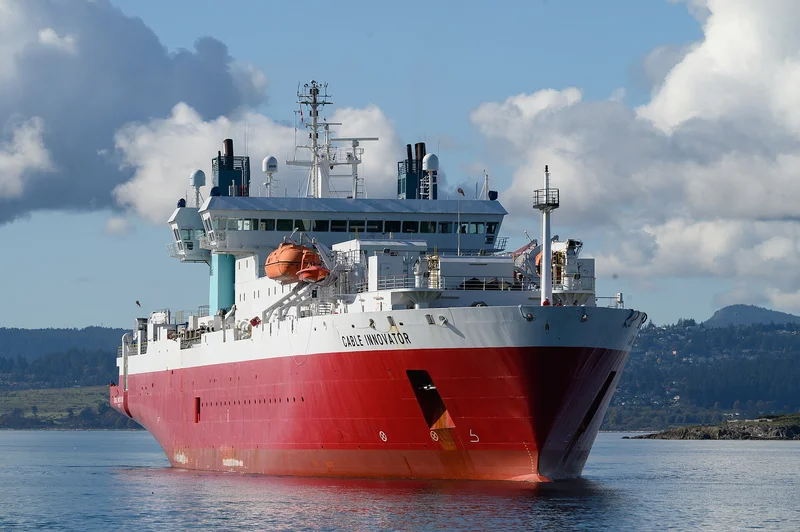
Google’s Americas Connect Cable Will Link Chile, Panama and the Dominican Republic
Chile · Technology
Google announced the Americas Connect cable expansion on August 11, 2026. A project that will add new subsea systems and redundant Pacific routes to strengthen digital infrastructure in the region.
Google’s Americas Connect cable will link Chile with Panama and the Dominican Republic. The company announced the plan on 11 August 2026.
It said the new infrastructure will add redundant Pacific routes and extend onward to the US west coast.
Google Unveils Americas Connect Cable Expansion
Google announced the Americas Connect cable expansion on August 11, 2026, via its official blog. The project includes three new subsea systems: Alisios, Canoa, and OlaLuz, according to the company.
The Alisios system will connect the Dominican Republic, Panama, and Chile, Google said. This marks a significant addition to the region’s digital infrastructure.
The announcement was made public through both English and Spanish blog posts, underscoring the company’s focus on Latin American markets. Google framed the project as a direct response to increasing demand for cloud.
Services and artificial intelligence workloads in the region, according to the blog text. The company described the Americas Connect project as a multi-system initiative designed to improve capacity and resilience across the Americas.
Google has not yet specified an operational timeline for the new systems. And no contractual partners for the cable construction were named in the announcement.
The blog posts emphasized that the expansion aligns with Google’s broader. Investment strategy in Latin America, which has included previous subsea cable projects.
The company also noted that the region’s growing digital economy requires more robust infrastructure. To support everything from streaming services to enterprise cloud adoption, according to the official text.
Google’s announcement highlighted that the new cables are part of a long-term commitment to expanding global. Network capacity, which now spans more than 30 subsea cables worldwide, as referenced in the company’s materials.
The company did not specify where the Americas Connect project fits within that global. Portfolio, but it described the initiative as one of several recent investments in the hemisphere.
Alisios Route and Redundancy Details
Google stated that the Pacific segment of Alisios will create redundant routes linking Chile with Panama. A third link will extend from Panama to the U.S. west coast.
These routes will provide connectivity to Google Cloud regions in Chile, Los Angeles, and Las Vegas, the company explained. The design aims to enhance network resilience.
The redundant routing is intended to ensure that network traffic can be rerouted. In case of a cable fault or disruption, a common concern for subsea infrastructure.
This approach mirrors similar redundancy strategies used in other Google subsea projects, which the company highlighted in its blog post. By connecting directly to Google Cloud regions, the cable is expected to reduce latency for customers using those data centers.
Google noted that this would benefit businesses relying on cloud-based applications, data analytics, and AI services. The blog post detailed that the Alisios system will use advanced fiber-optic technology.
Capable of carrying high volumes of data, although specific capacity figures were not provided. The company said the system is designed to be scalable to meet future demand, allowing for upgrades as traffic grows.
Google also emphasized that the redundant routes will improve the overall reliability of. Its network in the Americas, reducing the risk of single points of failure.
This is particularly important for financial services, healthcare, and government customers that require high availability, as the company noted.
Other Systems in the Americas Connect Cable Project
Beyond Alisios, Americas Connect includes two other systems: Canoa and OlaLuz. Google did not provide specific route details for these systems in its announcement.
The company framed Americas Connect as a broader effort to expand subsea capacity in the Americas. No investment figure was disclosed for the entire project.
The names Canoa and OlaLuz suggest a thematic connection to the ocean and the. Americas, but Google did not elaborate on the meaning or intended routes of these systems.
The lack of detail suggests that these systems may be in earlier stages of planning compared to Alisios. The announcement did not mention which vendors or construction partners would be involved in building the cables.
Google typically works with established subsea cable suppliers, but no such agreements were revealed in the official materials. The blog posts hinted that Canoa and OlaLuz would complement Alisios by expanding connectivity in.
Other parts of the region, but they did not mention specific landing stations or countries. This could mean that Google is still finalizing permits or partnerships for those systems, as industry analysts noted in subsequent commentary.
Google’s approach of grouping multiple systems under a single project name is consistent with its recent strategy of. Regional cable investments, such as the Firmina and Humboldt projects, though those were not mentioned in the announcement.
The company has not yet announced a timeline for when Canoa and OlaLuz will be operational.
Regional Impact and Context for the Americas Connect Cable
The announcement comes amid growing demand for data services in Latin America, driven by cloud adoption and artificial intelligence. Google’s expansion aims to meet this demand, according to the company.
Chile, Panama, and the Dominican Republic will become key nodes in Google’s network. This could improve connectivity for businesses and users in those countries.
The cable is expected to support the development of local digital economies. By providing high-capacity, low-latency links to major data hubs in the United States.
For Panama, the project aligns with its role as a regional logistics and connectivity hub, while for Chile it. Strengthens its position as a South American data center destination, according to regional telecom analysts cited in local media reports.
The Dominican Republic, a less common landing point for major subsea cables, stands to gain significantly from increased. International bandwidth, which could lower prices for internet services and improve access to cloud platforms, according to industry observers.
In Chile, the announcement was welcomed by local business groups, who see the cable as. A way to boost the country’s tech sector, as reported by The Clinic and ADN Radio.
These outlets noted that Chile already hosts Google Cloud regions, which could attract additional. Investment in data centers and related services, though they provided no additional specific data.
Panama’s La República highlighted the potential for the cable to enhance the country’s role. As a digital hub in Central America, given its existing infrastructure and strategic location.
The newspaper also pointed out that the project could create jobs during the construction phase, though no employment estimates were available. The project could also have implications for regional internet pricing, as more capacity.
Often leads to more competitive markets, according to telecom experts cited in local reports. However, these effects are likely to take years to materialize, as cable construction and landing station installation typically require significant time.
Attribution and Source Status
All details in this article are based solely on Google’s official announcements, including blog posts in English and Spanish. No independent confirmation from Chilean government sources was found in the provided materials.
The project is confirmed by Google, but it is a single-company source report. Further details may emerge as the project progresses.
Local media outlets, including The Clinic and ADN Radio in Chile and La República in Panama. Have reported on the announcement but have provided no additional specific information beyond the company’s press materials.
These reports did not include comments from regulatory authorities in the involved countries. Subsea cable projects typically require landing permits and environmental approvals from each country where they make landfall.
Google did not state whether such approvals have been obtained or are pending for the Americas Connect project. The company has a history of working with local governments and regulatory bodies on such approvals.
As seen in previous projects in the region, but the announcement did not reference any specific interactions. This suggests that the project may still be in early planning stages, with regulatory processes likely to follow.
Google’s blog posts did not provide contact information for further inquiries, and it. The company also did not clarify whether any of the three systems.
Would be operational before the others, leaving the project’s overall timeline uncertain.
Frequently Asked Questions
What is the Americas Connect cable project?
Americas Connect is Google’s submarine-cable expansion announced on August 11, 2026, with three systems including Alisios, Canoa, and OlaLuz. It aims to enhance connectivity in the Americas.
Which countries does the Alisios system connect?
Alisios will connect the Dominican Republic, Panama, and Chile, according to Google. It includes redundant Pacific routes to the U.S. west coast.
What is the investment amount for Americas Connect?
Google did not disclose an investment figure for the project in its announcement. No local currency or US$ amount was provided.
How does this affect Google Cloud users in Chile?
The Alisios cable will provide connectivity to Google Cloud regions in Chile, Los Angeles, and Las Vegas, as stated by Google. This could improve service reliability and speed.
What other systems are part of Americas Connect?
In addition to Alisios, the project includes systems named Canoa and OlaLuz. Google did not provide route details for these systems.
This article was produced by The Rio Times’ automated newsroom system. How we use AI · Report an error