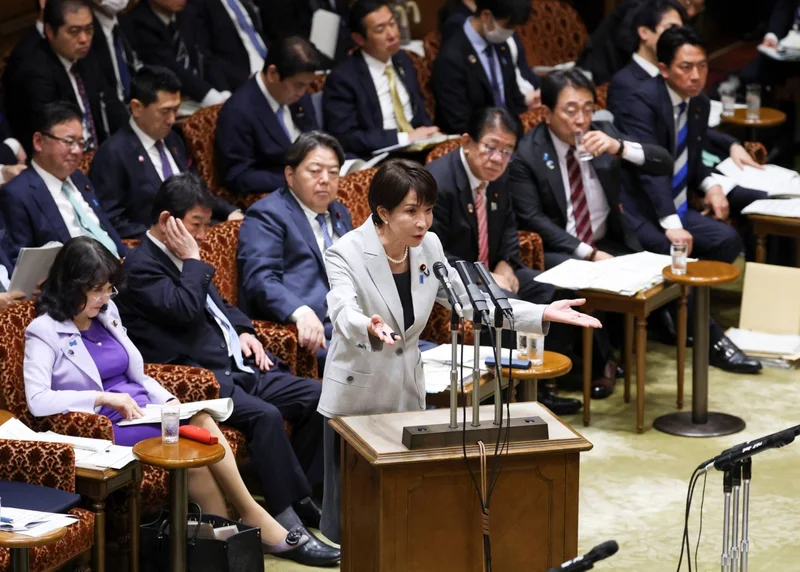
As the clearest political heir to former Prime Minister Shinzo Abe, Prime Minister Sanae Takaichi faces a defining question: Can she preserve Abe’s strategic vision while adapting it to a far more dangerous world?
Japan’s first female prime minister has embraced Abe’s foreign policy legacy from the outset. After winning the Liberal Democratic Party leadership in October of last year, she rebuilt a governing coalition following the collapse of the LDP’s 26-year alliance with Komeito and, after a decisive victory in February’s snap general election, secured the parliamentary mandate to pursue her agenda with far greater confidence.
Among the five candidates in the LDP leadership race, Takaichi was widely regarded as the party’s most conservative contender and Abe’s clearest ideological successor. Her ascent has divided opinion. Progressive critics question her nationalist views and historical revisionism, while conservatives welcome her emphasis on economic security, constitutional reform and a more assertive foreign policy. Although her election strengthened her political authority, tensions within the LDP and with coalition partner Nippon Ishin no Kai, or the Japan Innovation Party, continue to complicate governance.