Sign in. It’s quick, free and it’s up to you.
An account is an optional way to support the work we do. Find out more.
INCREASED PRODUCTION COSTS and a decrease in yield caused by the intense heat and drought conditions this summer may drive up the cost of groceries later this year, a farmer has warned.
The Economic and Social Research Institute has already warned of incoming higher food prices due to the closure of the Strait of Hormuz; however, the extreme weather conditions may cause further price hikes.
Last month was Ireland’s driest July on record, with 20 Met Éireann weather stations across the country recording ‘absolute droughts’. Gardens and parks have turned yellow and brown from the heat and lack of rainfall – and farmers are acutely feeling the impact.
Tillage farmers are faced with lower yields and added costs of fertiliser to protect crops from the heat, while dairy and beef farmers are eating into their winter feed supplies and forking out for extra feed to replace the grass livestock would usually eat.
The industry is also dealing with the increase in fuel prices caused by the closure of the Strait of Hormuz.
Co Wexford farmer and national grain chairman at the Irish Farmers’ Association (IFA), John Murphy, told The Journal that supermarkets may hike up grocery prices later this year to compensate for the low crop yields.
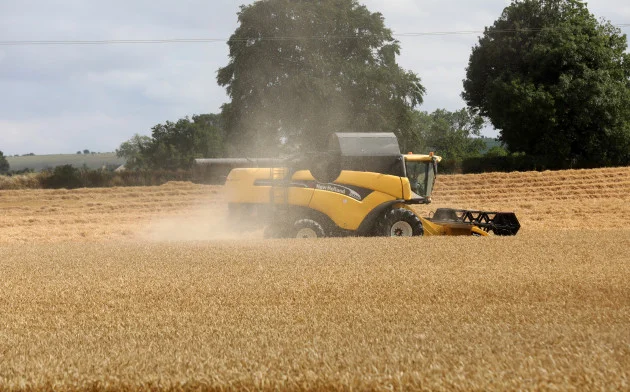
Murphy said the cost of producing tillage has increased by around 35% this summer, but many farmers will see a decrease in their harvest yield as the heat has caused crops to ripen before maturity, particularly those on lighter, drier ground.
He believes the issues with this year’s crops may cause supermarkets to put up grocery prices to cover any cost increases they may have to pay farmers next year.
“I can see the price of groceries going up because of the yield loss in Europe,” he said, adding that he doesn’t think the farmers will see these price increases benefit them until next year.
“It’s going to be too late for the farmer. The retailers are going to put up the prices and they’re going to win again,” Murphy said.
“The retailers are really creaming everything.”
The farmer described the mood amongst tillage producers as “very bleak” at the moment, and warned that more and more people are stepping away from the sector.
“It’s at the stage where it’s unviable for the tillage sector to be working in Ireland,” he said, calling for increased funding for the tillage sector.
Chairman of the IFA’s fruit and vegetable committee, Niall McCormack said unirrigated vegetable crops are down up to 60% and irrigated crops are down by up to 20%, highlighting that growers are facing extra costs due to irrigation requirements.
“The situation is causing a perfect storm for increased costs and diminished returns,” he said in a statement.
McCormack urged retailers to “show solidarity and lend support” to growers and recognise the expense needed to manage crops and maintain supply.
Meanwhile, Waterford IFA chair and dairy farmer Mark Connors said the lack of grass for livestock this summer raises concerns for the winter.
Speaking to The Journal, Connors said the cost of feeding livestock for farmers this year has risen significantly, but he doesn’t think it will increase the cost of Irish dairy and meat in grocery stores.
The farmer’s main concern is how the drought will impact livestock food stores during the winter months as farmers are eating into winter fodder provisions, and may not be able to make enough silage to replace them before winter if the weather doesn’t change.
Remembering the 2018 fodder crisis, Connors said he hopes weather conditions change soon to prevent something similar happening.
“We have to feed loads of extra concentrate that we ordinarily wouldn’t feed, and it’s extra workload as well. But at the back of your mind, then there’s that thing – how long will this go on for, and is there a possibility that I’m feeding silage now that I can’t afford to be feeding?” he said.
“That’s our big concern now. If we had an early winter, ah jaysus, it would be good night, Irene.”
The farmer called on the government to cover transportation costs of fodder during the winter if some parts of the country don’t have enough food for livestock.
Aontú TD for Mayo Paul Lawless has also called on the government to support the agriculture sector, adding that many farmers are now facing a “crisis” situation due to the impact of drought conditions on grass growth.
In a statement today, Lawless called for the “urgent reestablishment” of the Fodder and Food Security Committee, a Teagasc led committee in place to monitor and respond to emerging risks in the agriculture sector.
IFA president Francie Gorman also called for the National Fodder and Food Security Committee to be reconvened, while the Fianna Fáil Agriculture Team said it supports calls for the Committee to be reconvened.
The Department of Agriculture and Retail Ireland have been contacted for comment.
To embed this post, copy the code below on your site