A Chilean Court Hands Interchile a Win Over the Environmental Regulator
Chile · Energy
Key Facts
- Ruling DateChile’s Second Environmental Tribunal ruled on Aug. 11, 2026, in favor of Interchile.
- Decisions AnnulledThe court annulled two SMA decisions that had rejected Interchile’s compliance program for the Cardones-Polpaico line.
- New ReviewThe tribunal ordered the SMA to issue a new decision and analyze the compliance program again.
- Procedural FlawThe SMA failed to justify its acts and addressed only two of the charges, not all of Interchile’s arguments.
- Legal BarrierThe SMA unlawfully blocked Interchile from submitting a compliance plan on environmental-damage charges; the law sets only three exceptions, and damage allegations were not one.
- Next StepThe regulator must now redo its review, but the underlying environmental charges remain open.
The ruling is less about whether the transmission line caused harm and more about how the regulator handled the case — a reminder that in Chile, process errors can send enforcement actions back to square one.
If you follow Chile’s energy sector, you should know about this ruling. It just reset the clock on a long-running environmental dispute.
The Second Environmental Tribunal sided with Interchile. It threw out two decisions by the regulator and told the SMA to start over.
That does not mean the line is cleared. The charges are not gone either.
It means the enforcement process was so flawed that it has to be redone.
What the Tribunal Actually Said
The ruling, reported on Aug. 11, 2026, is a procedural win for Interchile. It is not a verdict on the merits.
The tribunal found that Chile’s environmental regulator, the SMA, failed its duty to motivate administrative acts. In plain terms, the SMA did not explain its reasoning well enough.
It also violated procedural principles. It addressed only two of the charges instead of all the arguments Interchile raised.
For a company facing enforcement, that is a big deal. You cannot defend yourself properly if the regulator only listens to part of your case.
The tribunal also flagged a specific legal error. The SMA blocked Interchile from submitting a compliance plan on charges involving environmental damage.
But the relevant law reportedly sets only three exceptions to that right. Environmental-damage allegations were not one of them.
So the regulator effectively closed a door that the law left open. That is why the court annulled the two decisions and ordered the SMA to decide again.
What Happens Now for the Cardones-Polpaico Line
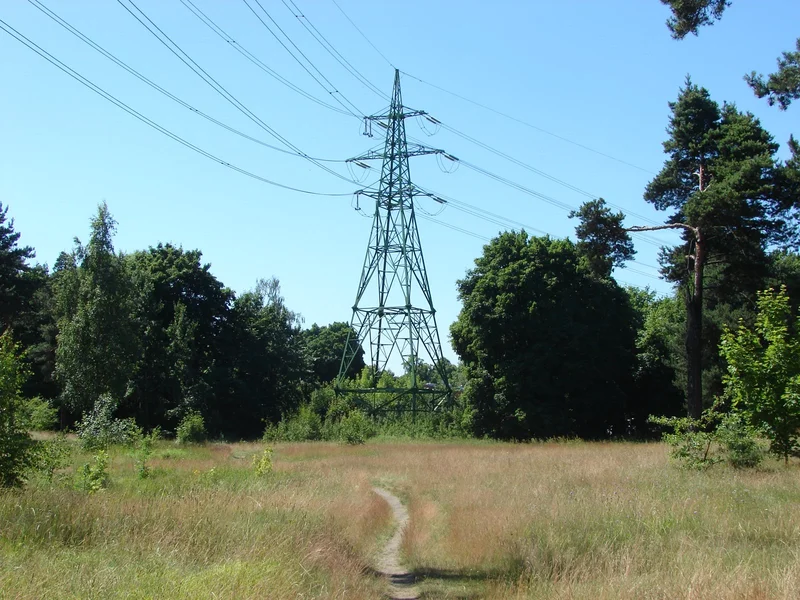
This is a 500 kV transmission project. It connects the Cardones substation in the north to the Polpaico substation near Santiago.
It is a critical piece of infrastructure for moving renewable energy from Chile’s sun-drenched Atacama region to the central grid. For investors and expats watching Chile’s energy transition, this line matters because it helps unlock solar and wind projects that are currently constrained by grid bottlenecks.
The SMA now has to go back and review Interchile’s compliance program from scratch. That means new analysis, new arguments, and likely more back-and-forth.
The company gets another chance to present its plan. The regulator has to actually respond to each point.
For Interchile, that is a second bite at the apple. For the SMA, it is a lesson in dotting the i’s and crossing the t’s.
Why This Ruling Matters Beyond One Company
This is not just a corporate win. It is a signal about how Chile’s environmental courts treat regulator overreach.
The tribunal is saying that the SMA cannot act arbitrarily. It cannot ignore arguments, and it cannot invent barriers that are not in the law.
That is a check on executive power. It applies to every company operating in Chile, not just Interchile.
If you are running a mining operation, a port, or a power project, this ruling tells you that due process matters. That is true even when the regulator is unhappy with your environmental record.
For the broader Latin America audience, this is also a reminder that Chile’s institutional framework is relatively strong. Environmental disputes are handled by specialized courts, not by political whim.
That is a selling point for investors who have seen other countries in the region. There, regulators can act with fewer constraints.
The process may be slow, but it is predictable. And predictability is worth a lot when you are putting capital into long-lived infrastructure.
What to Watch in the Coming Months
The SMA’s new decision will be the next milestone. It could take several months, given the complexity of the case and the need to re-analyze the compliance program.
The tribunal did not set a deadline, so the regulator has some latitude. But it cannot drag its feet indefinitely.
If the SMA again rejects the plan, Interchile can appeal again. The cycle could continue.
In the meantime, the Cardones-Polpaico line remains in service, as far as public reporting indicates. The charges relate to compliance issues, not to an immediate shutdown order.
That means the grid keeps running. The renewable projects connected to the line keep generating.
But the legal uncertainty is not ideal for anyone. Not for Interchile, not for the SMA, and not for the investors who are watching to see how Chile handles enforcement of its environmental rules.
Frequently Asked Questions
What did the Second Environmental Tribunal decide?
The tribunal annulled two decisions by Chile’s SMA that had rejected Interchile’s compliance program for the Cardones-Polpaico transmission line. It ordered the regulator to issue a new decision and analyze the program again.
Why did the court rule against the SMA?
The court found that the SMA failed to justify its acts. It addressed only two of the charges instead of all of Interchile’s arguments.
It also unlawfully blocked the company from submitting a compliance plan on environmental-damage charges. The law sets only three exceptions to that right, and damage allegations were not one of them.
Does this mean Interchile is off the hook?
No. The ruling is procedural. The underlying environmental charges remain open, and the SMA must now redo its review.
Interchile gets another chance to present its compliance plan. But the regulator could still reject it again.
Connected Coverage
Sources: Chile Second Environmental Tribunal; Diario Financiero; La Tercera, August 2026.
This article was produced by The Rio Times’ automated newsroom system. How we use AI · Report an error