Panama · Trade
Key Facts
- Trade mission55 Panamanian companies are heading to Caribbean markets including Curaçao, Aruba, Bonaire, and Sint Maarten in 2026.
- Product mixFood, beverages, refrigeration equipment, construction materials, packaging, and technology solutions lead the export basket.
- Export valuePanama’s total exports topped US$534 million in the first half of 2026, with re-exports from the Colón Free Zone playing a supporting role.
- Digital mandateThe Declaration of Re-exportation for goods leaving the Colón Free Zone becomes compulsory on 22 September 2026.
- Hub modelThe Colón Free Zone is being used to consolidate cargo and split re-exports for island distribution, not just direct sales.
- Buyer prepFirms are being told to arrive with FOB/CIF pricing, transport costs, minimum order quantities, transit times, and sanitary requirements.
The real test is whether Panama can move from selling goods to owning the logistics chain. It is also whether smaller island buyers can handle the paperwork shift.
That shift comes when the digital re-export declaration becomes mandatory in September.
If you live in Latin America or have money in its supply chains, this is not a side story. It is a direct signal about Panama’s strategy.
President José Raúl Mulino’s government is betting on re-exports and proximity. It wants to win island markets that depend on imports for almost everything.
The push combines a 55-company trade mission with a modernized Colón Free Zone process. The timing matters.
The digital Declaration of Re-exportation becomes compulsory on 22 September 2026. This date follows a delay from the earlier 10 August date.
That means the window to prepare is closing fast.
Why the Caribbean push is different this time
Panama has always sold goods abroad. This 2026 effort is structured differently.
The trade mission targets Curaçao, Aruba, Bonaire, and Sint Maarten. These markets rely heavily on tourism-driven consumption.
They also have limited local production. That makes them natural buyers for Panamanian food, beverages, refrigeration equipment, construction materials, packaging, and technology solutions.
The product mix is not random. It matches what island economies need to keep hotels running, stores stocked, and infrastructure projects moving.
Organizers are telling participating firms to show up with clear FOB/CIF pricing. They also need transport costs, minimum order quantities, transit times, sanitary requirements, and destination-specific regulations.
That level of preparation is unusual for a regional trade mission. It suggests Panama is not just looking for one-off sales.
It wants repeat buyers who can rely on consistent supply. The emphasis on destination-specific rules also hints at past problems.
Some past export efforts likely stumbled on paperwork or compliance issues. The government is trying to fix that before the boats leave.
The Colón Free Zone as the engine
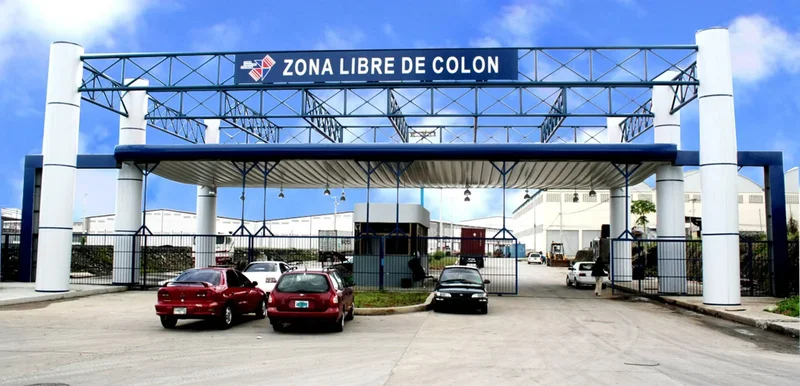
The Colón Free Zone (ZLC) is central to this push because it is built for re-export. Goods arrive, get consolidated, and then get split and shipped onward to multiple destinations.
That model works well for small island markets. These markets cannot take full container loads on their own.
Instead of each island importing directly from Asia or the US, they can buy smaller lots from Panama. This means shorter transit times and fewer headaches.
The digital Declaration of Re-exportation is the operational piece that makes this smoother. Moving the declaration online cuts paperwork delays.
It also gives customs authorities better data on what is moving through the ZLC. The compulsory date is 22 September 2026.
The delay from August suggests the government is giving traders time to adapt. But the message is clear.
Manual processes are ending. Anyone using the ZLC will need to be digital-ready by late September.
What the numbers show so far
Panama’s exports exceeded US$534 million in the first half of 2026. Re-exports from the Colón Free Zone were among the factors supporting overall economic growth.
That figure is not a breakout number, but it is steady. It comes at a time when many Latin American exporters are struggling with weak demand.
The Caribbean strategy appears designed to build on that momentum. It opens new channels for Panamanian goods.
It also opens channels for goods that pass through Panama on their way to the islands.
The re-export model is worth watching because it changes the nature of the export figure. Direct sales from Panamanian producers are one thing.
Re-exports are another. They show that Panama is earning money as a middleman, not just as a manufacturer.
That is a different kind of economic contribution. It is one that the Mulino administration seems comfortable with.
The ZLC has been a free-trade engine for decades. The 2026 push is an attempt to make it work harder for the Caribbean neighborhood.
Why you should care if you live or invest in Latin America
If you are in Latin America, this matters because Panama is testing a playbook. Other countries with free zones could copy it.
Examples include Uruguay, Chile, or even Brazil’s Manaus. If Panama succeeds in locking in Caribbean buyers with reliable re-export logistics, it strengthens its position as the region’s distribution hub.
That has knock-on effects for shipping rates and port congestion. It even affects which countries get to call themselves trade gateways.
For investors, the key is the September deadline. Companies that use the ZLC will need to invest in digital compliance.
That could create opportunities in logistics software, customs brokerage, and trade finance.
The other reason to care is simpler. The Caribbean islands are small markets.
But they are stable, dollarized in many cases, and hungry for imports. For a Panamanian food producer or a Brazilian refrigeration manufacturer, this push lowers the barrier to entry.
You no longer need to figure out individual island regulations on your own. You can piggyback on Panama’s trade mission and its re-export infrastructure.
That is a real advantage. It is why this export offensive is more than just a headline.
Frequently Asked Questions
What is the Panama Caribbean export push?
It is a 2026 initiative under President José Raúl Mulino. It sends 55 Panamanian companies to sell food, beverages, refrigeration equipment, construction materials, packaging, and technology solutions.
The target markets are Curaçao, Aruba, Bonaire, and Sint Maarten. The strategy leans on the Colón Free Zone as a re-export hub.
This hub consolidates and splits shipments for island markets.
When does the digital re-export declaration become mandatory?
The Declaration of Re-exportation for goods leaving the Colón Free Zone becomes compulsory on 22 September 2026. It was initially slated for 10 August.
It was delayed to give traders more time to adapt to the digital process.
How much did Panama export in the first half of 2026?
Panama’s exports topped US$534 million in the first half of 2026. Re-exports from the Colón Free Zone were among the factors supporting overall economic growth during that period.
The exact split between direct exports and re-exports is not specified in available reporting.
Connected Coverage
Sources: La Prensa, La Estrella de Panamá, Capital Financiero
This article was produced by The Rio Times’ automated newsroom system. How we use AI · Report an error