- See more Daily Mail on Google - save us as a Preferred Source
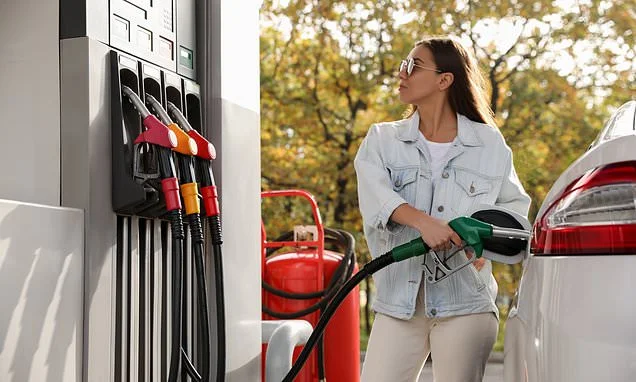
Labour has raked in an extra £1billion in VAT from drivers thanks to sky-high pump prices sparked by the Iran war, it emerged today.
Analysis found that since the conflict started on February 28, motorists have collectively been hammered at the pumps by an extra £6billion in higher prices.
In turn, ministers have netted an extra £1billion in VAT because the 20 per cent levy accounts for a larger amount towards Treasury coffers when pump prices are higher.
It sparked fresh calls on new Chancellor John Healey to use the windfall to scrap a planned Fuel Duty hike in the New Year to ease cost-of-living pressures on families.
A 5p a litre cut in the levy introduced by the Tories in 2022 after Russia invaded Ukraine is set to expire on January 1, with ministers currently planning to reverse this reduction from New Year’s Day as they look for money to fund new Prime Minister Andy Burnham's spending splurge during his first days in office.
The RAC Foundation analysis tracked consumption and average pump prices since February 28 and calculated the extra shelled out by drivers compared to prices before the war started.
Diesel drivers – which includes tradesmen and hauliers – have shelled out an extra £4.3billion, in turn adding £713million to Treasury coffers in extra VAT.
Analysis found that since the Iran conflict started on February 28, motorists have collectively been hammered at the pumps by an extra £6billion in higher prices, in turn netting the Treasury an extra £1billion in VAT
For petrol motorists, the figures were £1.7billion and £289million respectively.
The Tories' Shadow Transport Secretary, Richard Holden, said: 'Drivers have paid through the nose at the pump since the conflict began, and Labour have pocketed all the extra VAT windfall.
'That is money taken directly from families struggling to fill the tank.
'Labour’s Chancellor has the means to scrap the New Year Fuel Duty raid but Andy Burnham is choosing not to.
'Every time a driver pulls up to a forecourt, they are subsidising Labour’s unwillingness to control welfare spending.'
Tory MP Greg Smith added: ‘This tax-gouging Labour government has shovelled £1 billion in extra VAT out of motorists’ pockets, yet still persists in another tax hike at the pumps next year.
‘It’s an absolute moral necessity to scrap the Fuel Duty hike without delay.’
Howard Cox, founder of the FairFuelUK campaign, said: ‘Forty countries shielded their drivers from rocketing crude oil prices [by introducing tax breaks or price caps].
‘Our Treasury has instead wallowed in a still-rising £1billion VAT windfall on petrol and diesel since the Iran crisis – leaving over-taxed British motorists and the economy high and dry.
‘John Healey must freeze Fuel Duty for this Parliament’s life: cheaper fuel drives growth, not Treasury greed.’
Today, average petrol prices were 161.46p a litre while diesel was 181.84p
It means the average cost of filling the typical 55-litre tank in a family car remains £15 more with petrol and £20 with diesel than before the war erupted.
Prices have fluctuated wildly since the conflict broke out and squeezed western oil supplies because of the effective closure of the Strait of Hormuz.
They soared for weeks from February 28 but began falling after US President Donald Trump signed a tentative peace deal with Tehran in June.
However, pump prices have been on the rise again after the deal broke down last month and the US resumed strikes on Iran.
Around 130 ships a day passed through the Strait of Hormuz before the war started. But the number that passed through on Tuesday was just eight, according to analysts Kpler.
Around a fifth of global oil supply – or about 20 million barrels daily – passed through the vital waterway before the conflict.
Oil prices were around $90 a barrel for Brent crude today after hitting $100 last month. However, it often takes several weeks for falls to be reflected at the pumps, meaning prices have continued to rise in July and August.
Treasury sources said a decision on Fuel Duty would not be made until Mr Healey's first Budget, on October 28.