From cellular recycling to cognitive aging, spermidine is drawing scientific interest, but the evidence needed for routine human use is still emerging.
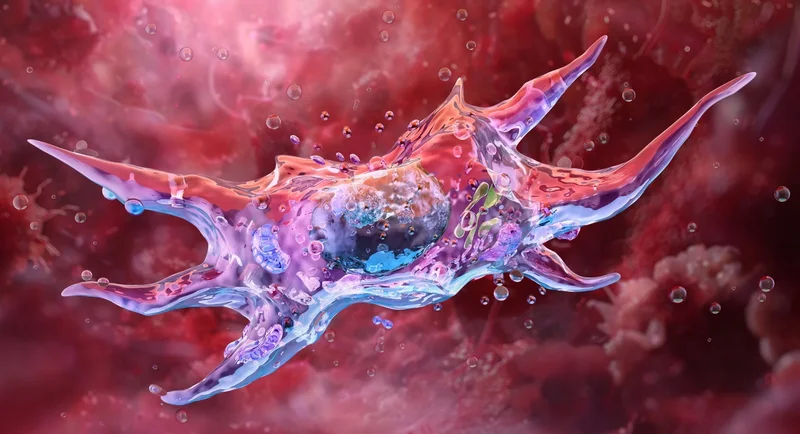
Study: Geroprotective insights into the natural metabolite spermidine in aging and age-related diseases. Image Credit: Corona Borealis Studio / Shutterstock
In a recent 'Article in Press' review published in the journal npj Aging, researchers reviewed mechanistic, preclinical, and clinical evidence to evaluate the geroprotective properties of spermidine. Spermidine is a ubiquitous natural polyamine and caloric restriction mimetic, essential for cellular proliferation and tissue homeostasis.
Review findings highlighted that while spermidine may restore autophagic flux and improve mitochondrial function in experimental models, partly through the eIF5A-TFEB axis, and may extend healthspan in animal models, human clinical outcomes remain complex and context-dependent.
Specifically, while high-dose oral supplementation of up to 40 mg/day demonstrated favorable short-term human safety profiles, translational efficacy has not yet been established across cardiovascular and neurological conditions. Together, these findings position spermidine as a promising candidate for future investigations into personalized aging research.
Background
The United Nations’ 2022 World Population Prospects estimates that the global population aged 65 years or older will reach 1.6 billion by 2050, underscoring the urgent medical need for interventions that prevent functional organ decline.
Spermidine and spermine are polyamines, while putrescine is a related diamine and metabolic precursor. These compounds have been previously scientifically established to play critical roles in regulating cell differentiation, proliferation, and autophagic clearance.
In apparently healthy people, endogenous spermidine concentrations progressively decline with advancing age across human blood fractions, including peripheral blood mononuclear cells (PBMCs) and red blood cells (RBCs). Mechanistically, spermidine operates as a caloric restriction mimetic and a downstream effector of nutrient-sensing networks, such as fasting and rapamycin. The molecule suppresses the acetyltransferase EP300 by competing for acetyl coenzyme A binding, a proximal molecular target shared with salicylic acid, the active metabolite of aspirin.
Unfortunately, while preclinical models show robust lifespan extension across yeasts, nematodes, flies, and rodents, whether these beneficial effects translate into human clinical benefit remains unclear, and effects may vary across diseases.
About the Study
This narrative review draws on evidence from multi-omic datasets, mechanistic rodent models, and clinical trial cohorts to delineate the therapeutic potential and safety limits of spermidine in aging and age-related pathologies.
The review discusses findings from studies using single-cell transcriptomics, stable isotope-resolved metabolomics (SIRM), high-performance liquid chromatography-mass spectrometry (HPLC-MS), mitochondrial bioenergetics, and epigenetic histone deacetylation.
A central molecular mechanism discussed in the review is the deoxyhypusine synthase-dependent (DHPS) chemical modification known as hypusination of eukaryotic translation initiation factor 5A (eIF5A). This pathway has previously been described as post-translationally promoting the translation of transcription factor EB (TFEB) and autophagy-related gene 7 (ATG7) to support autophagic flux.
Human interventional evaluations reviewed trial regimens ranging from 1.5 mg to 3.3 mg daily of spermidine derived from rice germ extract to high-purity spermidine (hpSPD) trihydrochloride at 40 mg daily across healthy elderly cohorts, patients with subjective cognitive decline (SCD), and cardiovascular disease trials, including the ongoing 24 mg/day POLYCAD trial.
Study Findings
Synthesized preclinical data revealed that a 6-month spermidine regimen in drinking water significantly attenuated age-associated phenotypes in mice, associated with reduced telomere attrition. Separate experimental studies also found that spermidine may improve mitochondrial function and adenosine triphosphate (ATP) production in cell and animal models.
Metabolomic profiling identified commensal gut bacteria, specifically Bacteroides species, as important contributors to luminal polyamine biosynthesis via the arginine-agmatine pathway.
In a short-term safety trial, hpSPD trihydrochloride at 40 mg/day for 28 days was well tolerated and safe in older men, without adverse effects. Furthermore, daily supplementation with 3.3 mg of spermidine derived from rice germ extract was found to improve biomarkers of autophagy and cardiometabolic health.
Prospective population-based studies similarly demonstrated an association between higher dietary spermidine intake and lower cardiovascular and cancer-related mortality. However, interventional trials yielded nuanced outcomes: in a 12-month Phase IIb trial, SmartAge, in older adults with SCD, spermidine did not improve memory or biomarkers compared with placebo.
Exploratory analyses suggested possible effects on verbal memory and tissue inflammation, but these results require confirmation, including in studies using higher doses. Crucially, the review identified context-dependent concerns: elevated plasma polyamines were associated with an increased risk of post-stroke cognitive impairment (PSCI) in people with ischemic stroke, and spermidine in the glioblastoma tumor microenvironment was reported to drive tumor progression by inhibiting CD8+ T-cell function.
Conclusions
The review suggests that spermidine is a versatile, multi-targeted candidate geroprotector that counteracts core hallmarks of aging, partly by restoring autophagic capacity through the eIF5A-TFEB axis.
However, the authors emphasize that clinical translation requires caution, as human efficacy may also be influenced by baseline polyamine levels, metabolic conversion to spermine, and individual gut and disease microenvironments. Future clinical trials must prioritize long-term, large-scale cohorts to establish optimal dosing regimens and identify specific disease contexts before spermidine can be considered for routine preventive use in longevity medicine.
Journal reference:
- Jiang, Z., Tong, S., Kirkland, J. L., \& Sun, Y. (2026). Geroprotective insights into the natural metabolite spermidine in aging and age-related diseases. Article in Press. npj Aging. DOI: 10.1038/s41514-026-00448-9. https://www.nature.com/articles/s41514-026-00448-9