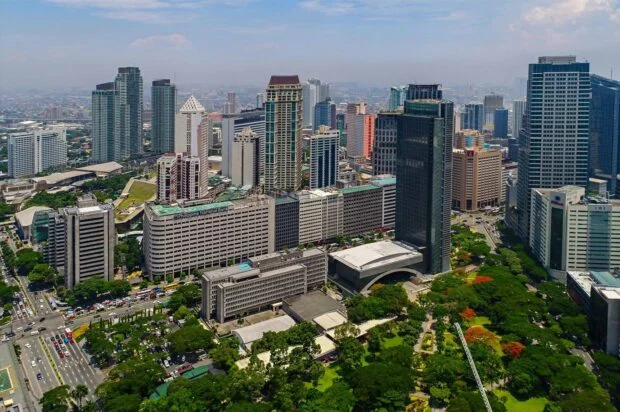
Weakening pillars of PH growth flagged
MANILA, Philippines — The traditional engines of growth that once made the Philippines one of Asia’s fastest-growing economies are losing momentum, a troubling shift that will require bold structural reforms to reverse, New York-based think tank GlobalSource said.
In a report dated Aug. 11, GlobalSource economists Diwa Guinigundo and Wilhelmina Manalac said the oil price shock stemming from the Middle East crisis only exposed and intensified structural weaknesses that have weighed on the economy for years.
READ: PH Q2 growth seen easing to over 17-year low
Article continues after this advertisement
The damage was evident in the second quarter, when the economy grew just 2.3 percent, its weakest expansion in the postpandemic era and a pace that lagged those of regional peers. The economists described the result as “disappointing but expected.”
Consumer spending, which has historically accounted for about 70 percent of gross domestic product, is among the biggest concerns, GlobalSource said. Household consumption grew just 2.8 percent in the quarter as a surge in inflation driven by the conflict prompted Filipinos to rein in spending.
But the weakness in consumption predates the latest oil shock. Household spending has not grown by more than 6 percent since the first quarter of 2023, data showed, with weakening purchasing power and the quality and stability of employment and income growth emerging as the “underlying issue,” GlobalSource said.
READ: IMF, ADB slash PH growth forecast
“If the economy is to return to a sustainable 5 to 6 percent growth path, consumption cannot remain stuck around 3 percent,” the economists said.
Article continues after this advertisement
Investment offered an even bigger warning. Gross capital formation contracted 9.2 percent in the second quarter, underscoring the deeper challenges facing an economy that needs to expand its productive capacity.
“Investment is what expands productive capacity. It creates jobs, improves productivity, introduces new technology and raises future potential output,” the economists said. “When investment contracts sharply, the consequences extend well beyond the quarter in which the decline is recorded.”
Article continues after this advertisement
The overall concern, GlobalSource said, is that the country is now seeing a weakening of the domestic forces that had underpinned its relatively strong growth in the past.
Looking ahead, the Philippines needs a stronger foundation for private investment and productivity, particularly in manufacturing, technology, higher-value services and digital industries, the firm added.
“The Philippine economy does not need another list of short-term measures or off-the-cuff explanations for why growth disappointed,” GlobalSource said. “It needs a coherent diagnosis.” INQ