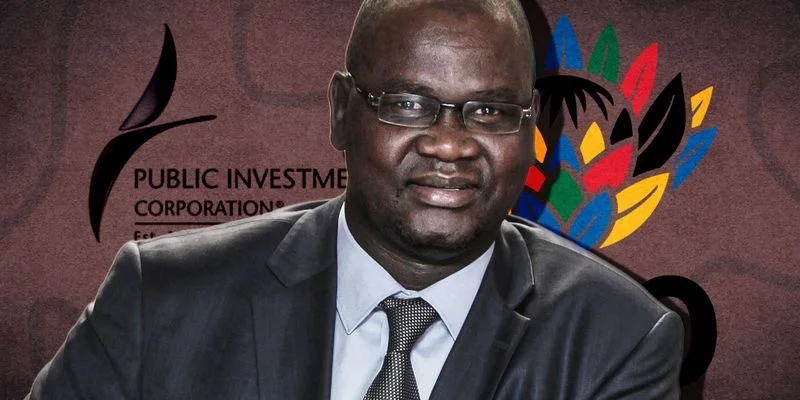
The Public Investment Corporationâs (PIC) reinstated CEO, Patrick Dlamini, and the newly constituted board under Seiso Mohai addressed shareholders (read: the nation) on via YouTube following the Pretoria High Courtâs ruling on 4 August setting aside Dlaminiâs precautionary suspension.
The posturing was all about projecting an image of absolute, and much-needed, stabilisation, structural continuity and robust financial stewardship. But their words, or rather the implications of their words, cast a different shadow.
âThe board shall ensure that allegations against the CEO in a whistleblower report that was the subject of the high court litigation is investigated independently and will follow due processes,â PIC board chair Mohai said.
To which Dlamini replied: âI offer my complete and transparent cooperation... I remain committed to participate fully in any and all independent reviews or investigations.â
No, itâs not semantics
But thereâs a problem. In his urgent high court founding affidavit to overturn his suspension, Dlamini fought aggressively to invalidate and suppress the anonymous whistleblower complaint, swearing that the allegations were âpatently not made in good faithâ, were âmade in bad faithâ, and represented a malicious copy-paste of litigation threats from aggrieved, defaulting debtor Acapulco.
By publicly announcing a fresh, âindependentâ investigation into the very same whistleblower report, the board is making an unintended admission: procedural illegality in the previous boardâs suspension process does not equal innocence.
Mohai has, then, conceded that the substance of the complaint (which alleged direct, unrecused conflicts of interest with Harith General Partners on the Lanseria file, misleading Parliament and unilateral executive overreach) is sufficient to necessitate an active, high-level probe.
Dlaminiâs return to office is, therefore, technically hollow, as his conduct remains under formal, active interrogation by his own board.
On the public record
Mohaiâs other admission, that âthe PIC will fully cooperate with the ongoing investigations by the special investigation unit [SIU], the Public Protector and the financial sector conduct authority [FSCA]â, is also an interesting turn.
The newly appointed Mohai board has now officially adopted a dual strategy: procedurally honouring the courtâs judgment to reinstate Dlamini, while concurrently re-opening a full, independent forensic investigation into his unlisted portfolio conduct.
This is also the first formal public admission by the PIC board that the SIU and the Public Protector are actively investigating the Lanseria/Acapulco transaction.
Dlamini has now also publicly waived his right to refuse participation in internal board reviews, stating under oath that he will âallow every process to proceed fully fairly and without distractionâ, effectively preventing him from using future high court interdicts to block the boardâs independent whistleblower probe.
Wait, what is the real deal with Acapulco?
Okay, letâs do this one last time⦠In 2013, Acapulco Trade and Invest 164 was parachuted in as the BEE partner for the buyout of Lanseria Airport. Behind the corporate veil sat a consortium of politically connected entities, with historical ties pointing directly to former PIC CEO Dan Matjila.
If you had to name an original sin in the transaction, it would be this: it was a 100% debt-funded free ride.
The PIC, acting for the Government Employees Pension Fund (GEPF), handed Acapulco a R333-million loan to acquire a 25% stake in the airport. Acapulco didnât put down a single cent of its own equity.
The repayment structure was basically a gentlemanâs handshake. Debt servicing relied entirely on future Lanseria dividends. When those distributions failed to materialise, there was no independent cash flow to service the loan â just a decade of aggressively compounding interest.
By maturity in July 2023, the debt had mutated into a R629-million albatross. Acapulco defaulted, naturally.
But it gets worse: the GEPF already held an impaired 37.5% direct stake and had bankrolled Harithâs matching 37.5% slice.
By blindly funding Acapulcoâs portion too, public pensioners absorbed 100% of the downside risk, while insiders chased the upside with zero skin in the game.
Mister right now
âPlease accept my absolute assurance that your funds, investments and state assets are growing in value,â Dlamini assured South Africa on Wednesday. âThey remain secure, stable and managed under strict institutional and governance controls...â
All the Acapulco double-counting and Daybreak misdeeds happened before Dlaminiâs tenure, and it is fact that he was appointed and tasked with cleaning up the unlisted portfolio.
Exposing a highly irregular, R500-million cash drainage to a defaulting BEE partner would have established him as an aggressive, zero-tolerance reformer in line with his turnaround specialist brand.
But the optics were bad. By sitting on Lanseriaâs board as a Harith-appointed director (the other Lanseria shareholder) and using his PIC executive authority to investigate Acapulco, Dlamini positioned himself as a valuable ally to a highly powerful, multibillion-rand private equity network that historically privatised public funding initiatives.
Dlamini did not orchestrate a fake crisis to enrich Harith. He investigated a genuine, severe governance collapse that resulted in a massive loss of public funds.
However, by driving this investigation unilaterally while maintaining close personal and professional links to Harithâs leadership, the CEO compromised his own turnaround mandate.
A strange stance to take when the core argument that won his court battle against the previous board was balanced on mandate overreach. **DM **