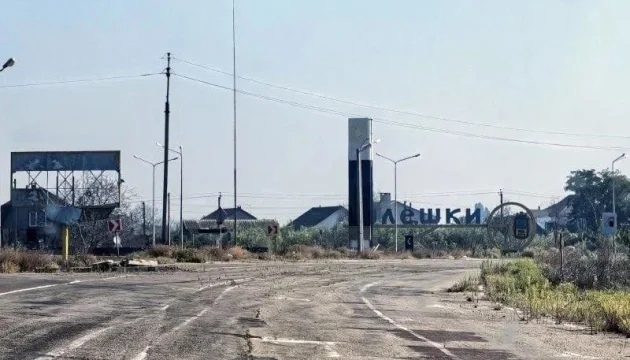
Lubinets made the statement during a press conference at Ukrinform.
"First of all, the situation for the Ukrainian citizens who remain there – and I mean not only Oleshky but also the nearby settlements – has deteriorated. According to our data, there may be around 6,000 Ukrainian civilians there, including children," Lubinets said.
According to him, the occupied areas are facing shortages of food and water.
"There has been no normal food there for a long time. There are problems with water and severe shortages of medicines," the ombudsman said.
Lubinets also said that several rounds of negotiations with the Russian side had resulted in the development of a mechanism to address the situation, but its implementation now depends on Russia honoring the agreements reached.
"We proposed a number of steps. From the Ukrainian side, we have fulfilled all the necessary preparations. As of now, I still continue to hope, if I may put it that way, that the Russian side will honor the agreements we reached," he said.
As reported, the UN Human Rights Monitoring Mission in Ukraine said that as of June 24, no food supplies had reached the Russian-occupied city of Oleshky in the Kherson region since May 26.
Russia has not organized an evacuation from occupied Oleshky, forcing residents to leave on their own and risk their lives.
Photo: Dmytro Lubinets / Telegram