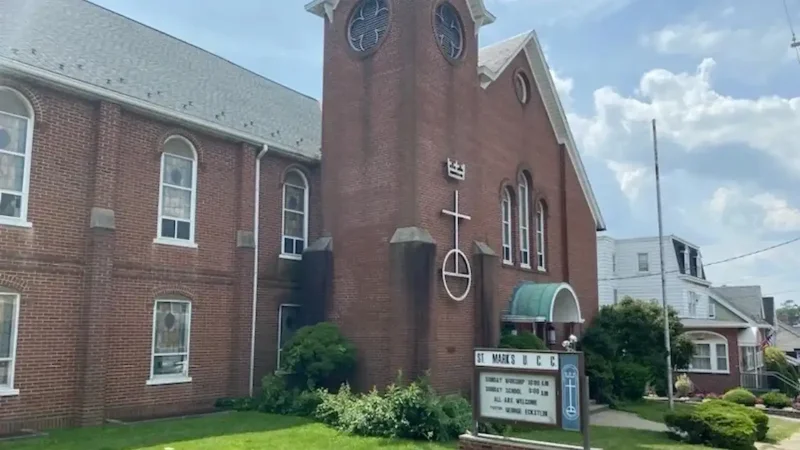
After its congregation dwindled to just 26 members, St. Markâs United Church of Christ in Bloomington, Minnesota, made the difficult decision to close, turning its final chapter into an extraordinary act of generosity. According to Minnesota nonprofit Loaves & Fishes, which provides meals to people facing hunger, St. Markâs distributed about $600,000 among 21 nonprofits. The site is planned for redevelopment into affordable housing, allowing the congregationâs legacy to continue through both community support and new homes.
A difficult decision
St. Markâs had served its Bloomington community for decades, but declining membership eventually made it difficult to continue as a congregation. According to Pastor Jennifer Jaimez, who ministered at the church for 26 years, the decision was not driven by a lack of money. Former church treasurer Jeff Remer told CBS Minnesota that the congregation had financial resources, but the issue was membership.
The church ultimately closed its doors after roughly seven decades. Rather than simply winding down its affairs, the remaining members spent time deciding how the churchâs resources could continue helping the wider community.
The congregation chose organisations that reflected the churchâs long-standing commitment to helping others. Its final distributions went to 21 nonprofits, including food organisations, educational causes and other community-focused groups. The Minnesota Conference of the United Church of Christ said the gifts came from proceeds from the sale of the church property.
One of the largest individual gifts went to Loaves & Fishes, which received $115,000 from St. Markâs. The nonprofit said the gift was part of a summer matching campaign, meaning donations made during the campaign could be matched dollar for dollar, up to $115,000. Loaves & Fishes estimates that the campaign can help provide roughly 275,000 meals for Minnesotans facing hunger.
From church to affordable homes
The congregationâs generosity did not end with charitable donations. The church property itself is also being given a new purpose. The property was sold to the Bloomington Housing Redevelopment Authority, which plans to redevelop the site into up to 16 affordable housing units, according to the City of Bloomington.
The transition will also preserve a small piece of St. Markâs history. Former parishioners will be able to keep a time capsule placed inside the churchâs cornerstone. Some of the churchâs furnishings and architectural elements, including stained-glass windows and pews, have also been re-homed rather than discarded.
For a congregation that once gathered inside the building, the end is therefore taking a different shape. Its members may no longer have a church to call their own, but the resources they left behind are being turned into meals, nonprofit support and affordable homes.
St. Markâs final act shows how a community institution can leave a meaningful legacy even after its doors close. The church building may no longer serve its original purpose, but the congregationâs decision to give back means its work of serving others can continue well beyond its final service.