Britain’s economic growth slowed in the second quarter but a boost from record hot weather and the World Cup helped offset impacts from the Iran war in a better-than-expected performance in June, official figures have shown.
The Office for National Statistics (ONS) said gross domestic product (GDP) rose by 0.4% between April and June, down from 0.6% growth in the first three months of the year.
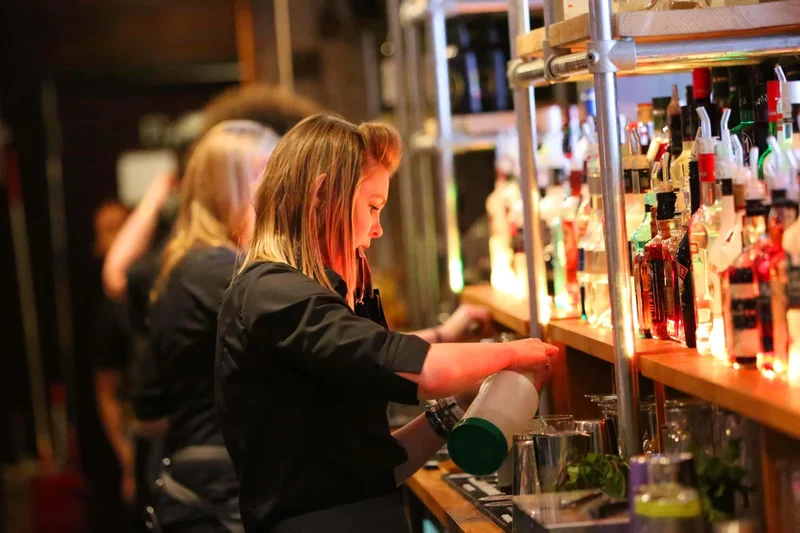
Its data showed growth of 0.3% month-on-month in June, against expectations for a flat performance, as the ONS said firms across the services sector reported buoyant trade thanks to prolonged hot weather and the start of the World Cup football tournament.
The June rise in GDP followed flat growth in May, revised down from 0.1% growth previously estimated, and a 0.1% contraction in April.
Liz McKeown, ONS director of economic statistics, said: “Growth slowed in the second quarter of the year, following a strong start to 2026, but remained relatively robust.”
“Services also drove growth in June, with some businesses reporting that good weather and sporting events may have had a positive impact that month,” she added.
But the data comes amid worries over the impact of the Middle East conflict on the UK.
It emerged on Wednesday that Treasury experts have briefed the Prime Minister to expect the economy to barely grow next year if disruption to the Strait of Hormuz linked to the Iran war continues until the end of 2026.
Internal modelling from the Treasury suggests UK GDP could see growth as low as 0.3% in 2027, Government sources have said.
In response to the latest GDP data, Chancellor John Healey said: “I know people are worried about the impact of the conflict in the Middle East on their cost of living, which has been too high for too long and it has added pressure on British businesses.
“This is an active, hands-on Government, putting British interests first – giving breathing space to those feeling the strain, making our country more resilient and bringing hope back.”
The ONS said the services sector grew by 0.4% in June, though this was partly offset by falls of 0.2% in production and 0.1% in construction.
Food and drink firms were among those to benefit from the start of the World Cup on June 11, while television and advertising also benefited from the event, which saw the England team reach the semi-finals in July.
Hot weather also helped boots retailers, as well as some manufacturing firms, hotels and those in the amusement and recreation sector.
But the extreme heatwave, which saw three consecutive days of record-breaking June temperatures peaking above 37C, also knocked parts of the economy, with some construction firms reporting a hit, while in education, many schools were closed because of the heatwave.