Brazil · Business
Key Facts
—Extrajudicial recovery filed: Oncoclínicas submitted its plan on 14 July 2026 to renegotiate roughly R$5.1 billion (US$1.01 billion) in financial debt.
—Goldman Sachs exit: The US bank sold its stake after 11 years, stepping away as the company entered formal creditor negotiations.
—Patient care unaffected: Consultations, chemotherapy, and radiotherapy continue normally; the process targets financial creditors, not clinical operations.
—Creditor support: Holders of about 37% of the covered debt have already signed on, enough to begin the court-approval timetable.
—What comes next: The company must secure broader creditor approval and obtain judicial homologation to make the plan binding.
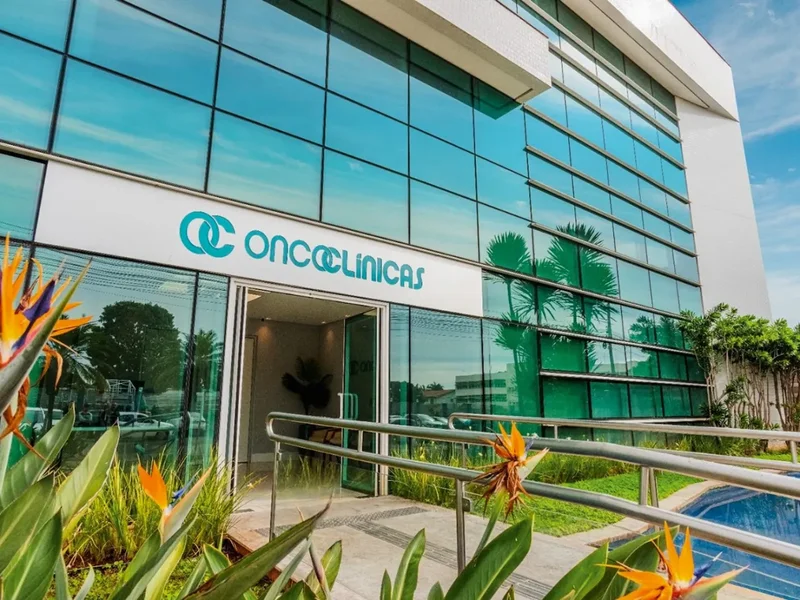
Oncoclínicas, Brazil’s largest cancer-treatment network, filed for extrajudicial recovery on 14 July 2026 to restructure roughly R$5.1 billion (US$1.01 billion) in financial debt, and now a foundational investor has walked away.
It operates a network of oncology clinics providing specialised cancer treatment across Brazil.
One-stop reference
Company Intelligence
Every listed company in Latin America — financials, ownership and structure for 1,450+ companies across 26 exchanges, in one place.
RTAsk Rio TimesMarkets, currencies and the economy›
RT
Ask Rio Times
Latin American markets, currencies and companies.
×
Markets todayThe currencyRates \& inflationEconomy outlook
What Extrajudicial Recovery Means
An extrajudicial recovery — recuperação extrajudicial in Portuguese — is a Brazilian legal tool that lets a company negotiate a repayment plan directly with creditors before asking a court simply to approve it. Unlike a full judicial recovery, there is no court-ordered freeze on operations, no trustee taking over the business, and no interruption of ordinary services.
For a foreign reader, think of it as a structured out-of-court workout that becomes binding once a judge confirms it. Oncoclínicas can keep its 145 clinics running while it hammers out new terms with banks, bondholders, and other financial creditors.
Goldman Sachs Ends an 11-Year Ride
Goldman Sachs, which had been a shareholder in Oncoclínicas for over a decade, sold its entire position in the days surrounding the filing. The exit removes a name that lent institutional credibility during the company’s aggressive expansion and 2021 initial public offering.
The bank has not issued a separate statement detailing its reasons. The sale came as the company’s leverage had become unsustainable and restructuring pressure had been building for months, making the exit part of a broader ownership transition amid the creditor talks.
The Debt Pile Behind the Oncoclínicas Filing
The plan covers about R$5.1 billion in financial obligations. Within that, debêntures (local bonds) and CRIs (real-estate receivables certificates) account for roughly R$2.93 billion (US$580 million), or about 91% of the company’s financial indebtedness.
Creditors holding approximately 37% of the affected debt have already agreed to the proposal, clearing the minimum threshold to start the process. The company will now seek wider support ahead of a judicial homologation hearing that would make the plan enforceable against all creditors in the covered group.
What It Means for Patients and Creditors
For the thousands of cancer patients treated daily across the Oncoclínicas network, the company has been unequivocal: consultations, exams, infusions, and radiotherapy sessions continue without disruption. The restructuring is a balance-sheet exercise aimed at financial creditors, not at clinical operations.
For creditors, the plan is expected to stretch maturities, potentially convert part of the debt into equity, and refinance obligations under new terms. If the court approves the deal, even dissenting creditors within the affected class can be bound by it.
If approval fails, the company may have to return to the negotiating table or consider a more invasive judicial recovery.
Background: A Growth Story That Hit a Wall
Oncoclínicas grew rapidly through acquisitions to become Latin America’s largest dedicated cancer-treatment group, culminating in a high-profile IPO on the São Paulo stock exchange in 2021. That expansion was fueled largely by debt, leaving the company highly leveraged when interest rates rose and investor appetite for risky Brazilian healthcare credits cooled.
For expats and foreign investors accustomed to US or European healthcare models, it is important to understand that Brazilian private healthcare operates on a mix of out-of-pocket payments, health-insurance reimbursements, and public-system contracts. When a dominant player like Oncoclínicas hits financial turbulence, the ripple effects can touch insurers, hospital suppliers, and the broader private-care ecosystem.
What Happens Next and Why It Matters for Investors
The immediate legal step is for Oncoclínicas to secure broader creditor backing and obtain judicial homologation, which would make the plan binding on all affected creditors. If the company fails to gather enough support, it may have to renegotiate terms or file for a formal judicial recovery, a more intrusive process that would give a court greater oversight of the business.
For foreign investors holding Brazilian healthcare debt or equity, the Oncoclínicas case is a real-world test of the country’s extrajudicial recovery framework. A smooth homologation would signal that large, complex restructurings can be resolved without derailing operations, while a failure could rattle confidence in other leveraged names across the sector.
Frequently Asked Questions
Will Oncoclínicas clinics stay open during the extrajudicial recovery?
Yes. The company has confirmed that all patient care — including chemotherapy, radiotherapy, and surgical procedures — continues normally. The process only concerns financial debt renegotiation and does not affect clinical operations or patient appointments.
What happens if the extrajudicial recovery plan is rejected?
If the company cannot secure enough creditor votes or court homologation, it would likely need to renegotiate terms or file for a formal judicial recovery. A judicial recovery is more intrusive, involves court supervision, and can impose a stay on certain creditor actions while the company restructures.
Why did Goldman Sachs sell its Oncoclínicas stake now?
Goldman Sachs exited after 11 years as the company moved into formal restructuring. The sale reflects severe leverage pressure and a broader ownership transition during the creditor negotiations, though the bank has not issued a separate public statement detailing its specific reasons.