Revolut, the fintech that built a fortune on the promise that you would never again need to set foot in a bank, is about to start putting up buildings.
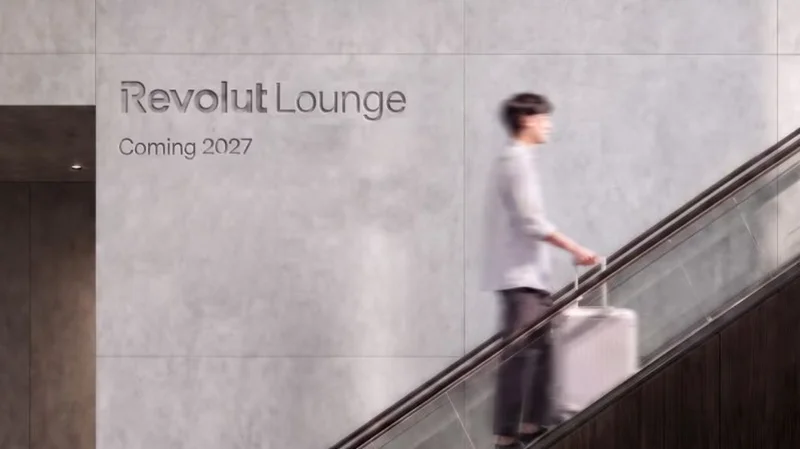
The company said today that it will open its own premium airport lounges across Europe, with the first due to debut in 2027 at Copenhagen Airport, marking one of its most deliberate steps yet off the phone screen and into the physical world.
The lounges will be run in partnership with Plaza Premium Group, which operates the world’s largest network of airport lounges, so Revolut is renting expertise rather than learning the hospitality trade from scratch.
Access will be tied to its subscription plans, which turns the lounge into another perk dangling at the top of the paid tiers rather than a service open to everyone with the app.
Hadi Nasrallah, who runs Revolut’s aptly named New Bets division, called the Danish hub “the perfect fit” in what he described as a key growth market, and the company says it intends to roll the format out across priority European markets from there. It is, in other words, meant as a template rather than a one-off.
Revolut opened its first bricks-and-mortar store in Barcelona, a deliberately immersive space rather than a branch, and it has bolted travel booking, mobile phone plans, a co-working tie-up with WeWork and even a bundled ChatGPT subscription onto an app that once just moved money around.
The lounge is the logical next room in that ever-expanding house.
Behind the ambition sits a balance sheet that can pay for it. Revolut posted £4.2bn in revenue last year, up 46%, and its subscriptions line, the part of the business the lounges are designed to feed, grew 67% to £708m.
A secondary share sale, meanwhile, values the company at around $115bn, up from $75bn only last November, which is the kind of number that makes an airport property spree look almost modest.
The logic is loyalty. Lounges are one of the most coveted rewards in consumer finance, the reason travellers put up with premium credit-card fees, and owning the space rather than reselling someone else’s lets Revolut stamp its brand on the moment a customer is most relaxed and most affluent.
It is the same instinct that drives its push into private banking and its courtship of higher-spending users as it eyes an eventual listing.
The timing is not accidental, either. Revolut has spent the past year racing to bolt every conceivable service onto a single app, from trading and crypto to messaging, mobile plans and AI, in pursuit of the “super-app” status that Western fintechs covet and almost never reach.
A lounge is a physical expression of the same ambition, a way to remind its tens of millions of customers that the brand can follow them from the phone in their pocket to the seat by the runway, and to keep the wealthiest of them from drifting to a rival card.
Lounges are expensive to fit out and unforgiving to run, which is presumably why Plaza Premium is doing the heavy lifting, and the category is already crowded with Priority Pass, LoungeKey and the airlines’ own rooms.
Revolut has also just been through a messy switch of lounge-access providers that annoyed some travellers, a reminder that perks giveth and, when contracts change, taketh away.
None of that dulls the symbolism, though. A company that spent a decade arguing that banking belonged entirely on your phone is now betting that the way to keep customers loyal is to give them somewhere pleasant to sit.
As it chases licences and territory across Europe, Revolut increasingly wants to be less an app you open and more a world you live inside, starting, fittingly, in departures.
Get the TNW newsletter
Get the most important tech news in your inbox each week.