:
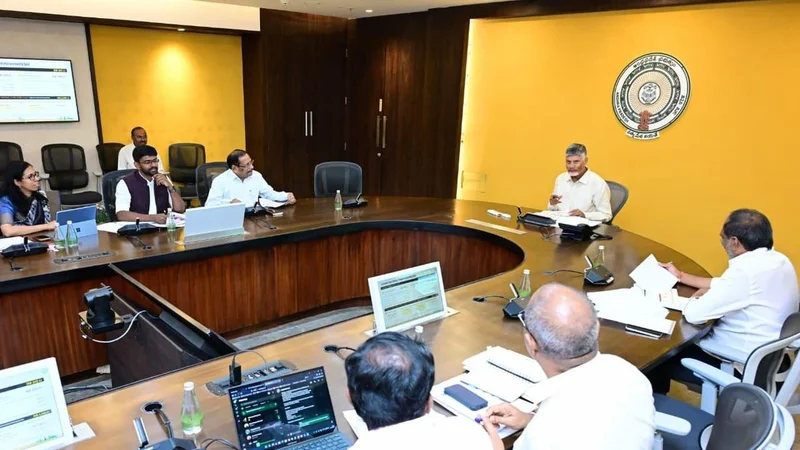
Chief Minister N. Chandrababu Naidu has directed officials to increase power generation capacity in line with the State’s growing electricity demand and ensure power is available to consumers at lower cost.
Reviewing the Energy Department affairs at the State Secretariat in Amaravati on Thursday, Mr. Naidu ordered a study on the feasibility of setting up pumped storage energy projects at the State’s 130 reservoirs. Pumped storage is like a giant water battery, surplus electricity is used to pump water uphill and, when power is needed, the water flows down through turbines to generate electricity.
He specifically referred to the proposed pumped storage project at Polavaram and called for an economic feasibility study.
The Chief Minister cautioned that deficient rainfall could affect hydropower generation at several reservoirs and projects and directed officials to take advance measures to avoid disruptions. With industrialisation accelerating, electricity consumption could double every six years, he said, stressing the need for long-term generation plans and further reduction of distribution losses.
Focus on solar, renewable energy
Mr. Naidu directed officials to expedite six lakh solar connections under the PM Surya Ghar scheme by September and install another three lakh connections outside the scheme. He also asked the State to seek approval from the Centre for 10 lakh additional connections.
Under PM-KUSUM, officials should meet existing targets and seek another 2,000 MW of capacity from the Centre. Solar, wind and pumped storage resources should be integrated to provide reliable and affordable power.
He directed officials to bring down power purchase costs to ₹4.60 a unit this year and ₹4 by 2029 through power swapping, renewable energy and storage models.
Performance-based ratings
The Chief Minister proposed performance-based ratings for the State’s six power utilities, with clear targets to make them financially and operationally competitive with corporate entities.
Officials said power purchase optimisation had saved ₹234 crore, while prompt-payment rebates yielded another ₹100 crore. Mr. Naidu directed officials to reduce the utilities’ debt burden and negotiate lower interest rates with financial institutions.
He said utilities should borrow only for asset creation and capital investment, while costs should be reduced through lower procurement expenses, interest liabilities and distribution losses.
Mr. Naidu also appreciated the use of digital twin technology and Asset Health Index systems to monitor power assets, predict equipment failures and reduce maintenance costs while improving power quality.
Published - August 13, 2026 09:38 pm IST