Asia Intelligence Brief August 13, 2026: The Gap A Subsidy Is Holding
Executive Summary
Asia Intelligence Brief for August 13: Japanese producer prices rose 7.2% while consumer prices sit near 1.7%, and the yen has already surrendered half the gains from a joint intervention with Washington.
Rio Times · Asia Intelligence Brief August 13
The difference between those two numbers is being paid for by the government.
Japan – Two Inflation Rates in One Country
Seven point two, and one point seven
The central bank reported on Thursday that corporate goods prices rose 7.2% over the year in July, marginally below June’s revised 7.3%, which was the highest since March 2023. On the month they climbed 0.1%, a fifth consecutive rise.
Consumer inflation meanwhile ran at 1.7% headline and 1.6% core in June. Analysts attribute that gap to subsidies handed out by the government as it shields households from higher energy costs.
A wall held up with public money
A five-point gap between what firms pay and what shoppers pay is not a market outcome, it is a fiscal decision. It is also not carried by the state alone, because 556 companies went bankrupt in the first half of this year unable to pass rising input costs on to customers.
Japan is holding back a wave rather than letting it break, and the bill is being split between the treasury and the firms that fail. The national temperament here is protective and expensive in equal measure.
The Yen – An Intervention Already Half Undone
Two weeks of gains, half given back
The yen traded around 159.3 to the dollar in Tokyo on Thursday, having reached a forty-year low near 164 in late July before a coordinated intervention by Tokyo and Washington strengthened it. It has already lost more than half of those intervention-led gains.
The dollar sits about 7% stronger against the yen than a year ago. Safe-haven demand from Middle Eastern tensions is part of the reason.
Why the weakness keeps arriving as inflation
The yen-based import price index rose 29.1% over the year in July, an eighth consecutive increase, after 30.1% in June. In a resource-poor economy, a weak currency is an inflation mechanism rather than a competitiveness advantage.
That is why the intervention mattered and why its unwinding matters more. Two governments spent reserves and the market took half of it back within a fortnight.
The Metals – Forty Percent, and Where It Comes From
The single largest component
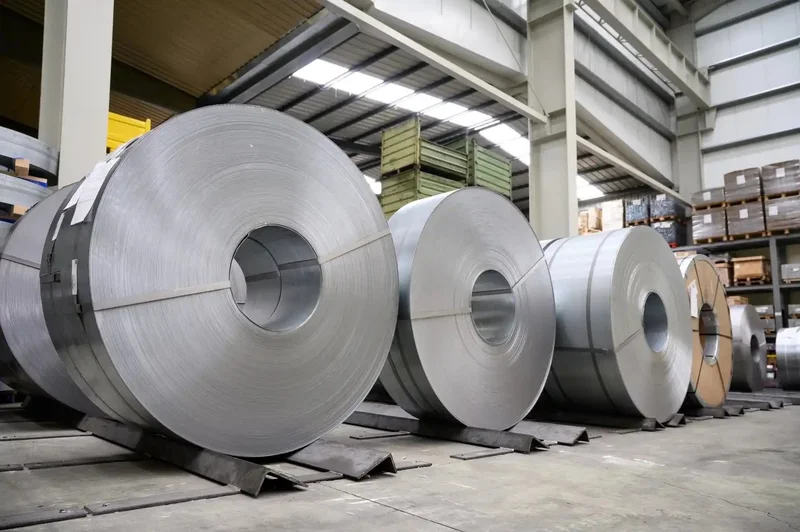
Nonferrous metal prices rose 40.6% over the year in July after 39.3% in June, which the data attribute to high global prices on geopolitical tension and robust demand. Chemical products rose 12.9% after 15.1%, and crude oil and coal products 17.5% after 22.8%.
The central bank has explicitly linked rising nonferrous metal and machinery prices to the expansion of demand tied to artificial intelligence. Electricity was the largest single contributor to the July index, adding 0.23 percentage points.
A copper price with a Japanese receipt
A 40% annual rise in what Japanese industry pays for nonferrous metals is the clearest published evidence of what the computing build-out is doing to metal prices. It is the same demand Chilean and Peruvian producers are selling into.
Japan’s mood on this is resigned rather than aggrieved. It buys nearly all of it and passes on what it can.
The Bank of Japan – A September Increase All But Priced
One percent to one and a quarter
Analysts expect a move to 1.25% from 1% at the policy meeting on the seventeenth and eighteenth of September. Governor Kazuo Ueda signalled after last month’s hold that the next move could come as early as September, citing upside inflation risks and a possibly accelerated pace.
Reuters reports that the joint intervention and comments from the American Treasury secretary favouring an early increase have all but locked that decision in. A tight labour market is adding to wage pressure as employers compete for staff.
Buying bonds while preparing to raise
The bank conducted government bond purchase operations on Thursday across the three to five year, five to ten year and over twenty-five year maturities. Buying the long end while preparing to raise the short end is a delicate position to hold.
It is also the position of the largest foreign holder of American government debt. That connection was the stated reason Washington helped defend the yen in the first place.
The Region – Records in Tokyo, a Surge in Seoul
Chipmakers carried the day
Japan’s broad index reached a record high and the Nikkei rose about 1.6% as chip stocks tracked a sharp rally in American semiconductor shares. South Korea’s market surged around 4% on heavy foreign buying of its two largest chipmakers.
A four percent day in Seoul is a substantial move for a market that spent seven consecutive weeks falling. Foreign buying rather than domestic conviction drove it.
India’s prices climb
Indian consumer inflation rose further to 4.45% in July as food prices accelerated. That is a domestic-demand economy discovering the same food pressure appearing across three continents.
Its central bank held rates at 5.25% earlier this month with a neutral stance. A rising food component narrows the room it has.
What This Means From Latin America
The metals number is your revenue line
Japanese industry paid 40.6% more for nonferrous metals over the year, which is a published measure of what artificial-intelligence demand is doing to prices Chilean and Peruvian producers receive. Few data series state it as plainly.
The corresponding risk is that it is demand-driven and therefore reversible. A slowdown in the computing build-out reaches Andean revenue faster than it reaches Japanese costs.
And a lesson about defending a currency
Two of the world’s largest treasuries intervened jointly to support the yen, and the market has taken back more than half of it inside a fortnight. Any regional central bank contemplating intervention should read that timeline carefully.
The same American fund used to buy yen steadied the Argentine peso less than a year ago. The instrument works, and the question is for how long.
Asia Intelligence Brief August 13: What We Are Watching
- 17 and 18 September – The Bank of Japan meeting, where analysts expect a move to 1.25% from 1%.
- Ongoing – Whether the yen holds near 159 or resumes its slide toward the July low.
- Coming months – Whether Japanese energy subsidies are extended, and what they cost.
- Ongoing – Nonferrous metal prices, up 40.6% over the year on computing demand.
- Coming months – Indian food inflation, after consumer prices rose to 4.45% in July.
- Ongoing – Whether Seoul’s four percent surge holds after seven consecutive losing weeks.
More from the Rio Times Intelligence Desk on August 13: the Africa Intelligence Brief, the Europe Intelligence Brief and the USA & Canada Intelligence Brief. For how these stories developed, see the Asia Intelligence Brief for August 12 and the Asia Intelligence Brief for August 11.
The Asia Intelligence Brief August 13 returns tomorrow morning.
Frequently Asked Questions
What did Japan’s July producer price data show?
The corporate goods price index rose 7.2% from a year earlier, slightly below June’s revised 7.3% which was the highest since March 2023, and below the 7.4% economists had expected, while climbing 0.1% on the month for a fifth consecutive rise. The advance was led by oil and coal products, chemical products and nonferrous metals, with electricity the largest single contributor to the July increase at 0.23 percentage points.
Why is Japanese consumer inflation so much lower?
Headline consumer inflation was 1.7% in June with core at 1.6%, against producer prices at 7.2%, and analysts attribute the difference to subsidies from the Takaichi administration intended to shield consumers from higher energy costs. The gap is also being absorbed by companies, with 556 going bankrupt in the first half of this year because they could not pass rising input costs on to customers, according to Teikoku Databank.
What has happened to the yen since the intervention?
The currency reached a forty-year low against the dollar in late July, approaching 164, before a coordinated intervention by Tokyo and Washington strengthened it, and it has since given back more than half of those gains to trade near 159.3. The dollar remains about 7% stronger against the yen than a year earlier, and the yen-based import price index rose 29.1% over the year in July, an eighth consecutive increase.
What is the Bank of Japan expected to do?
Analysts forecast a move to 1.25% from 1% at the policy meeting on 17 and 18 September, after the bank held steady last month while warning that underlying inflation could exceed its target. Reuters reports that the joint currency intervention and comments from the American Treasury secretary favouring an early increase have all but locked in that decision.
Sources: The Japan Times, CNBC, Reuters, Bloomberg
This article was produced by The Rio Times’ automated newsroom system. How we use AI · Report an error
LatAm Markets: Live Signals → — real-time movers, turnover leaders and FX across Latin America.