According to Ukrinform, the report was published by LRT.
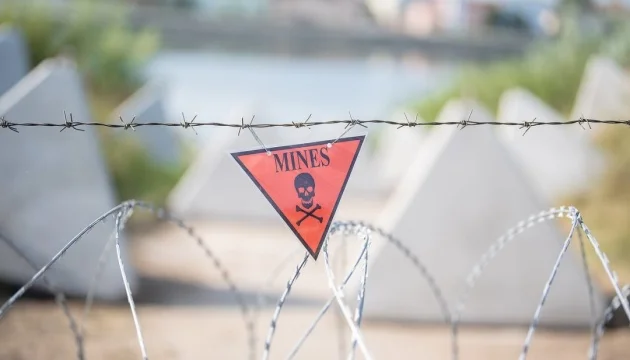
Under the revised plan, a 20-meter counter-mobility strip will extend inward from the patrol road along the border. In areas designated by the military for operations, the width of the strip will be increased to 150 meters.
The changes are part of Lithuania's expansion of its network of defensive structures designed to slow down or prevent the movement of enemy troops and military equipment in the event of an attack on the country.
The Lithuanian government has also postponed the deadline for completing engineering-equipment parks at designated military facilities. The parks are now expected to be completed by the end of 2028.
Read also:Latvia launches operation to counter illegal migration
The Defence Ministry said the deadline was extended because the number of planned parks had increased from 27 to 50. The expanded network will require additional time to implement, while the state-owned railway infrastructure company LTG Infra has also been tasked with providing storage facilities for engineering equipment.
The deadline for installing reserve obstacles on national roads and approaches to bridges, as well as equipping bridges with structures for explosives, has also been extended until the end of 2028.
According to LRT, the revised plan shifts the focus from planting tree barriers to creating wetlands. These projects are expected to be completed by the end of 2030.
According to the ministry, restoring wetlands in selected areas should make them impassable for heavy military equipment within several years.
The changes may require an additional EUR 50 million from Lithuania's State Defence Fund between 2026 and 2030.
Lithuania began creating counter-mobility parks in 2023, drawing on the experience of Russia's war against Ukraine. Last year, the Defence Ministry introduced a unified three-level defence line, with measures planned at distances of 3, 20, and 50 kilometers from the country's border.
As Ukrinform reported, Lithuania plans by 2027 to relocate its civil-defense stockpiles, which are still located near the border with Belarus, to safer areas.
Photo: Defence Ministry