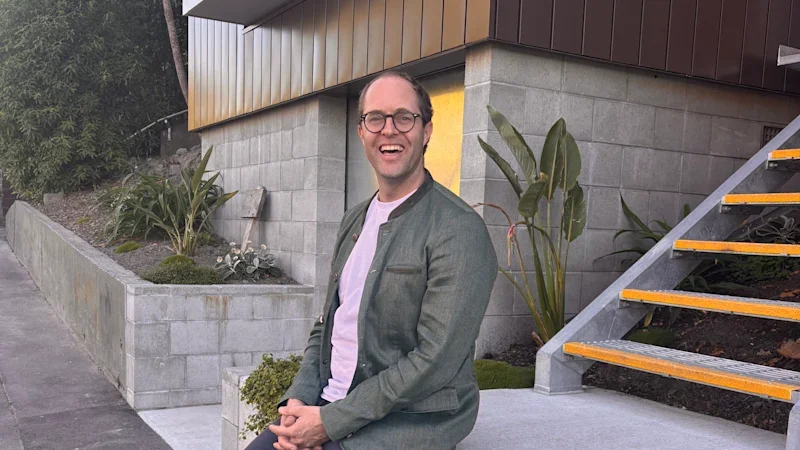
Architect Andrew Just realised the 65-square-metre affordable home he wanted to build on the 19-square-metre footprint of his parents’ garage fell short of planning rules.
It was 2.5 metres too tall and, instead of being set back from the road, it jutted over the pavement.
Yet Just’s tiny new home was approved because it met the spirit and objectives of the local council’s policy to increase housing and density in Christchurch after the 2011 earthquake.
New Zealand is often described as a world leader in the housing reforms that NSW’s and other governments are now championing.
And in New Zealand, those reforms began in Christchurch following the earthquake that destroyed much of the city centre, killed 185 people and flattened 10,000 homes in 2011.
Zoning rules were relaxed to fast-track dwellings, particularly in the rebuilt city centre that 15 years later is home to a new library, stadium, convention centre and markets.
These changes in Christchurch increased rental affordability by 8 per cent compared with 1 per cent across the country, said Stuart Donovan, an economist and a senior fellow with Motu Research in Wellington.
The area is home to 10 per cent of New Zealand’s population yet it was building about 20 per cent of its new homes, he said.
Now Christchurch is having a moment.
Mayor Phil Mauger said it has stolen Wellington’s crown as NZ’s home of cool: it was attracting young people, many who had left the city after the earthquake, with its good food, affordable housing, art and culture.
After the earthquake, Just, the director of Field Studio in Christchurch, worked with friends to create meeting spaces in the rubble that local media said turned a “broken city into something joyful”. Called Gap Filler, it won a major NZ architecture award.
Economic studies found the changes in zoning had resulted in large and rapid improvements in housing affordability and social housing.
Just said there had been a “significant conversation” about providing affordable housing after the earthquake.
“The policy intentions are seeking diversity of housing stock, intergenerational living,” he said of his discussions with planners. “They’re also wanting to avoid certain things, like massive buildings that could destroy all the greenery.”
Where his parents lived was too expensive for most young people, and many homes too big.
“Not all of us want three or four bedrooms, massive dwellings on huge pieces of land,” he said while visiting the newly completed home named Nuli’s Place for his mother, during this year’s annual architecture event Open Christchurch.
In the centre of newly rebuilt Christchurch, couple M. Grace-Stent, 29, and partner Gina Dao-McLay, 23, are benefiting from affordable rent.
They pay $485 a week for a light and airy two-bedroom apartment in a three-year-old block. That’s about half of what their friends pay in other NZ cities for housing – and a third to a quarter of a comparable apartment in Sydney’s Darlinghurst.
Most apartments they could afford in other cities were often old, poorly insulated and badly located.
Grace-Stent said they would “like to see their block of six-storey apartments with shops below replicated across the city.” Like many people, Grace-Stent and Dao-McLay were disappointed that there weren’t more high-rises in the inner city.
Others are critical of the large number of townhouses – many rented on Airbnb – near the new stadium.
Some were afraid of living in high-rises after an earthquake.
Mike Blackwell, a real estate agent who writes the Christchurch Construction Report, said most apartments were medium to low density. The vision by the Christchurch City Council of 20,000 residents living in the central city by 2028 was so far unrealised.
The writer travelled as a guest of ChristchurchNZ.com
More: