Where does the music go, I often wonder. Itâs in the airwaves. It lives in frequencies and memories. Could it be that music transcends time and space, and that even if the world ended in that dread event we all fear, the music would survive, drifting in the ether?
We send messages in radio waves to what we hope will be alien ears. Like when we used to turn the knob on an old radiogram, searching for a radio station. Squeaks, static hiss, turn, turn, turn, and suddenly there it is, as clear as day â a perfectly formed song, as if the musicians are right next to you. Voices and music captured in space and time, forever.
When I think of my mom, which I do most days, I think of the music she loved. Pat Boone, once upon a time â his Moody River sticks with me to this day. One bar of it and Iâm a little boy back in Oranjemund, treading on tigerâs eye and agate on the front path of our house at 38, 13th avenue.
Thatâs what music does â it joins time, a moment long ago and another right now. One-time London bus driver Matt Monro crooning Walk Away or Born Free. Doris Dayâs Tea for Two. Anything by Mitch Miller and his Orchestra. Mom, unlike dad, also âgotâ the Beatles, right back in 1963 when Pat and I first heard them, me just 8, Pat 14. Dad called it âthat rubbishâ.
Despite this having angered me all those years ago, I made a point of getting to know some of dadâs music, most especially Nat King Cole, for whom I have a lifetime affection. He was the first to record my favourite song, Nature Boy, in 1947, eight years before I was born. I once wrote about that beautiful song and its meaning and history, here.
I wonder if, one day not too soon I hope, my soul will float off and, in my drifting explorations, the first song I tune into will be Nature Boy. I hope it will be the David Bowie version.
If I wanted to get my momâs attention out in the unseen universe, Iâd probably choose Matt Monroâs sweet baritone. I can imagine her stopping in her tracks on hearing it, turning towards me and catching her breath on sight of her son. Betty Jackman would be nearing 106 by now, so even if she hadnât left me too young â at 70, which today is not a particularly âoldâ number in a long life â sheâd certainly have gone in her 80s or 90s.
Once Iâd got her attention, what would I tell her? That Iâm sorry about so many things is my first thought, right now. What a stupid teenager I was. How much more I could have done for her. That in my 30s I was too preoccupied building my career and bringing up a family to realise that by doing so, often I was sidelining her. That I would do things differently, now that I am this me, which I hope isnât too much like that old me.
But even setting this down depresses me, and I know I wouldnât want to bring her down too by raking up old wounds.
Maybe Iâd take a more grown-up approach, adopt a positive toneâ¦
Look at all the cooking I do, mom. Have a taste of this, what do you think? I still donât fry kingklip as well as you did, by the way. These days we often avoid deep-frying fish after dipping it in batter, the way you made it. I prefer it grilled in butter in a shallow pan.
Your batter was the best, I wish Iâd asked you for the recipe. The best Iâve found is a proper Yorkshire recipe for a beer batter, but â this would shock you â I donât remember when last I put a deep pot of oil on the stove and fried battered fish fillets in it.
I associate momâs battered fried kingklip with Friday nights, because that was always on the table. The grocery store in Oranjemund used to get fresh kingklip once a week without fail, and there sheâd be with her shopping basket, selecting a fish and asking for it to be filleted and skinless. I donât remember her ever being one for fish skin.
But sheâd buy her kingklip only at the end of her working day. Betty was a cashier in the grocery department of the general store in Oranjemund. I picture her putting an invoice and notes in a metal cup on a pulley system. It would shoot off, up a rope to Mr Blakemore in an office upstairs, who always seemed to be looking down from his office window.
A minute later heâd shoot it down again and it would land on momâs counter with the correct change in it. Sometimes heâd come down and say âHello sonâ and look down at me with his lopsided Dickensian grin.
This was in the early 1960s, perhaps 1963 or so, the year the Sixties began. Did you know that the cultural period thatâs called âThe Sixtiesâ started, not in 1960, but in 1963, and ended in 1973? It aligns, more or less, with the Beatles and many other bands of the era, with psychedelia, Beatlemania, pop art, Carnaby Street fashion and everything else thatâs now historically related to The Sixties.
The Sixties formed me. But if Mom would excuse me for a minute, I need to have a quick word with Dad here. Every Wednesday at 2pm sharp, heâd steer me into the barber shop for a short back and sides. Every Wednesday. The hair had barely had a chance to grow, and off it would come. Which is why I determined, as early as 1964, that when I grew up I would grow my hair long like Paul McCartney and George Harrison. Yes, the other two as well, but Paul and George had the best hair.
But, Dad, look at me now. I had a short back and sides haircut a month ago and obviously I thought of you and wondered what youâd have made of it. But donât get overexcited, Dad, I havenât had another haircut since then and itâs still too short for my liking.
It was The Accidental Haircut. The young barber was Egyptian, and didnât have much English. When Iâd tried to explain that I wanted a trim, not too short, he sort of missed every second word and got âshortâ. He muttered something about ânumber 2â, I nodded, and before I could blink half of the left side of my hair had disappeared.
I do wonder what my parents would both make of my new book, whether theyâd like it, be impressed? Dad had never expected anything of me, was convinced I was doomed to failure and spent half of his time in those days threatening to send me to a reformatory. That would have destroyed me, but luckily his will did not hold sway in my life.
Instead, even when I was bunking school (he did have a soupçon of justification for wanting to sort me out), when I got home Iâd often cook something or chop and dice. In a blink, Iâd be in the kitchen with Mom in her apron, asking what was for dinner.
Once in a while it would be Dad in there, but Mom did most of the cooking in our house. Dad was the gardener in the family, growing masses of vegetables which were harvested daily and brought into the house. He also built the chicken run, and once in a while thereâd be a headless chicken running around the yard after heâd chopped its head off and it had landed on the ground with a thump.
That the sore, bleeding bird was to be supper within hours did not faze that young me at all. Dad would put it on the kitchen table on a board and pluck its feathers one by one. Iâd pluck a few of the tail feathers.
I donât remember him pulling out the birdâs innards, but he must have done it out in the yard before bringing it in the back door, through the laundry and into the kitchen.
But dad was never around much before supper time. Heâd go to the bar at the Rec Club and weave home in his Land Rover in time for dinner at seven.
We sat at a table in the kitchen, near the door, and tucked into Momâs meat and potato pie, corned beef hash, or deep-fried battered kingklip with chips and peas.
Some nights thereâd be a pudding that either mom or I made from powder in a packet. Blancmange in pastel hues, butterscotch pudding â no wonder I turned into a chubby teenager plagued by puppy fat. In summer, mom would make vanilla ice cream and Iâd help.
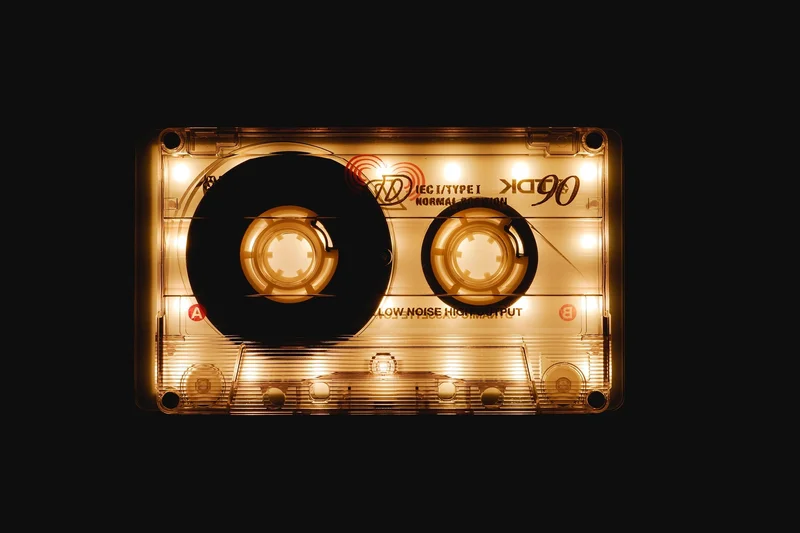
And the years and decades flew by, and all the songs and albums came with them, music styles changed, pop stars came and went, long-playing records grew dusty and scratched, and even those disappeared for a while as cassette tapes and later CDs rose to the fore before dying off again and making way for a return to vinyl recordings.
The best thing about the music world now, Mom and Dad, is that all of the music from all of our lives is available to us wherever we are, wherever we go. I donât have to find my old Beatles or Kinks albums any more, I just download them and play them in the car.
I was listening to Matt Monro the other day, Mom, belting out Born Free in the car on my way somewhere. I played Nat King Cole singing Nature Boy not long ago, Dad, and Perry Comoâs Catch a Falling Star. Iâve always loved his effortless gentle rasp of a voice, though I have a soft spot for the Françoise Hardy version too. My first crush. I was only 9 when the song was released. Still play it sometimes, and when I do, I think of you both, floating somewhere above us, distracted by music. DM