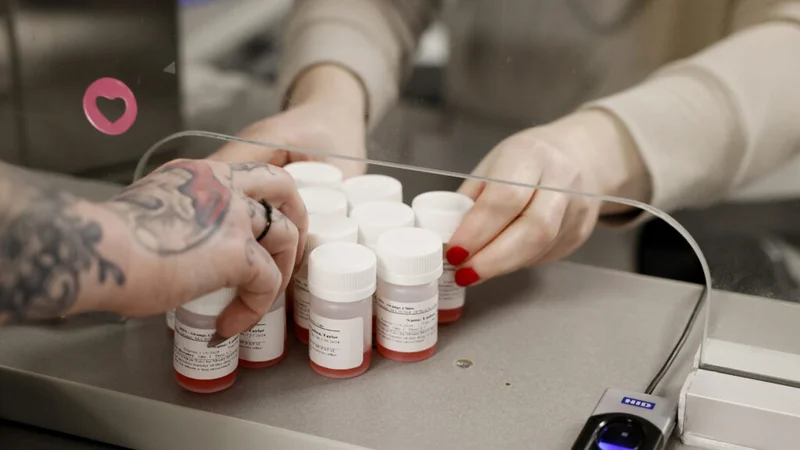
Methadone clinics are finally getting their report card.
In 2024, with the specialized addiction treatment providers facing backlash from patient groups and scrutiny from lawmakers, the federal government issued a long-awaited overhaul of regulations that determine how the clinics operate.
The changes included greater flexibility over “take-home” medications, and stressing that counseling should be offered to patients but not required as a condition of receiving their medication.
The real question, however, was never how big the regulatory changes would be. It was whether clinics, and the state-level agencies that oversee them, would make the sweeping cultural shift. In recent months, a picture has finally begun to emerge. According to data collected by industry groups and the federal government, a significant share of opioid treatment programs, as the clinics are known, have implemented major changes.
“A significant majority of OTPs have incorporated the changes,” said Mark Parrino, president of the American Association for the Treatment of Opioid Dependence, a New York-based advocacy group that represents methadone clinics. “I’d say more than 75% of the programs have, in fact, provided more take-home medication … and the result has been, as the study captured, that retention in treatment has significantly increased.”
Methadone, a powerful medication used to quell withdrawals and help people addicted to opioids achieve stability, is the most effective tool for treating opioid addiction. But for decades, it has existed in a silo, walled off from the rest of the American medical system. Historically, clinics had typically required patients to attend in person each day to receive their methadone dose, posing substantial challenges for people with jobs or families, or who lived far away.
Since 2020, however, methadone clinics have undergone a fast-paced evolution. Amid the Covid-19 pandemic, fearful of disease spread, the Substance Abuse and Mental Health Services Administration gave clinics permission to issue weeks’ worth of “take-home” medications that allowed patients to keep their methadone at home.
The regulations issued in 2024 made many of those changes permanent, and more broadly, pushed clinics and state-level regulators to leave punitive, rigid attitudes in the past. Some industry leaders have since embraced the shift, concluding that they can provide high-quality care even if their patients don’t show up in person most days.
The new regulations have “shifted the mindset to motivation rather than mandating,” Dustin Mets, CEO of CompDrug, an Ohio-based behavioral health clinic, said during a recent SAMHSA webinar.
“OTPs are getting more comfortable with exercising greater discretion in balancing safety, patient preference, and other factors, in ways that we frankly didn’t have the leeway to do before,” he said. “We’re discovering [that] physical presence is a rather poor proxy for a strong therapeutic relationship.”
Mets, and other federal officials and industry leaders, cited results from a survey conducted by AATOD, Parrino’s organization, and the National Association of Addiction Treatment Providers.
The data were limited: Responses came in from 241 clinics, representing just over 10% of opioid treatment programs nationwide.
Still, results were promising. Mets, for one, reported the share of patients still in treatment three months after first seeking care increased an average of 17% following implementation of the changes.
More broadly, across the responding clinics, more than 70% had adopted at least half of SAMHSA’s recommended practice changes. These included offering greater access to take-home medication and higher doses upon beginning treatment, which can help patients avoid withdrawal and therefore reduce their likelihood of continuing to use illicit substances.
The changes also inspired clinics to offer and encourage counseling without threatening to withhold medication doses from patients who decline. Roughly two-thirds of state opioid treatment authorities, the state regulators overseeing individual clinics, have adopted this change, according to the survey.
Similarly, the new SAMHSA guidelines recommended using drug testing as one factor in clinical decision-making, rather than automatically rescinding take-home doses or otherwise punishing patients who test positive for an illicit substance like heroin or fentanyl.
They also eliminated two particularly arcane rules: one that stated patients could only seek treatment at a methadone clinic if they’d been addicted to opioids for over a year, and another that required patients to have tried and failed other forms of treatment — twice — before a methadone clinic could grant admission.
Still, not all industry experts concurred with the rosy view widely held by speakers on the recent SAMHSA webinar. Some charged that the survey could be clouded by selection bias: in essence, the possibility that the sample mainly included clinics that had enthusiastically embraced the changes and, therefore, were eager to report their results.
“I have it on good authority that most of the larger providers have not been proactive whatsoever with implementing those changes,” said Aaron Ferguson, a longtime leader in the Liberate Methadone movement, which advocates for allowing doctors to prescribe methadone directly to patients instead of distributing it via the clinic system. “I think that SAMHSA’s report is a misrepresentation of the field, by and large. They only polled a small percentage of OTPs.”
Ferguson also suggested that there were major geographic disparities in the results: for instance, that clinics in states with relatively progressive methadone clinic cultures, like New York, were enthusiastically embracing the changes, while those in more conservative states were all but ignoring them.
Clinics’ efforts to solicit patient feedback has also focused on “compliant” patients who already follow clinic policy and have achieved stability, Ferguson said — ironically, those who are least likely to benefit from more flexible policies.
But clinic culture, he said, is unlikely to shift just because SAMHSA or other regulatory bodies issue new regulations or reports.
“The culture is going to shift as a result of people realizing what patients want and need, but they’re not hearing the full story,” Ferguson said. “They’re going to have to start really taking a hard look at why this treatment is not reaching people that it should be.”
STAT’s coverage of chronic health issues is supported by a grant from Bloomberg Philanthropies. Our financial supporters are not involved in any decisions about our journalism.