- See more Daily Mail on Google - save us as a Preferred Source
Most women spend a lot of their adult life trying to avoid getting pregnant and will try various methods of contraception. Many chop and change between methods – the pill, coil, implant - as they try to find one that works for their body.
However, while preventing pregnancy is important, all contraceptives come with health risks and many also have side effects. While side effects vary and can affect women differently, common symptoms include irregular bleeding, mood changes, depression, headaches, altered libido, and skin breakouts.
Many women feel like these ailments are just a 'trade-off' for being protected, but hormone expert Dr Louise Newson says it doesn't have to be the case, with the right education.
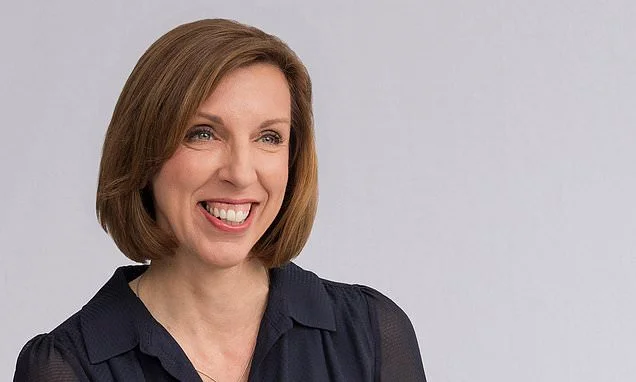
Dr Louise Newson is a hormone specialist and shares what you should know about contraception.
She says, ‘We desperately need more research and investment into new and different forms of contraception, but in the meantime, we need to make sure that women are well informed about the contraceptive choices that are on offer.’
Dr Newson has shared what she thinks every woman should know about contraception, and what their doctor likely isn't telling them:
1. Hormonal contraception doesn't actually contain hormones
'Although people refer to the contraceptive pills, implants, injections, patch, vaginal ring and coil as hormonal contraceptives, they do not actually contain hormones. They contain synthetic chemicals, which are similar to the body's natural hormones, but they have a different chemical structure. This means they work differently to hormones, and these synthetic hormones actually block the action of your natural hormones on your brain and body.
'Because of this, synthetic hormones are associated with risks, including the risk of heart attacks, strokes, clots and also some types of cancer. It's important to be aware of these risks and how they might impact you based on your personal history.
'Make sure you flag any additional health problems to your doctor or healthcare professional before starting this type of contraception. For example, smoking, migraines, and high blood pressure may increase your risk of stroke and blood clots more when taking this type of contraception.
'In the first three months of contraception, I recommend logging any symptoms to see if these correlate with your new contraceptive method. It may be that another is better suited for you, or you might want to consider a non-hormonal method, such as condoms or a copper coil, instead.'
In the first three months of contraception, log your symptoms to see if there's a correlation.
2. Contraception isn't the right choice for every woman
'Whilst we associate contraceptives with pregnancy prevention, many women are actually prescribed contraceptives for symptoms when bioidentical hormone treatments would be a safer and more effective choice. Such as a 15-year-old girl with painful periods. Or a 17-year-old with acne. Or a woman in her 20s with endometriosis.
'The contraceptive pill is often routinely prescribed to treat medical conditions that are unrelated to preventing pregnancy, including PMS, PMDD (a more severe form of PMS), menstrual migraines, heavy bleeding, painful cramps, acne, PMOS (polyendocrine metabolic ovarian syndrome, formerly known as PCOS), perimenopause and menopause. But this doesn't have to be the only treatment choice you have!
'In each case above, it's not treating the underlying cause of the condition, which is often low hormones. Instead, topping up low hormone levels with progesterone, estradiol and sometimes testosterone is likely to be far more effective. If you're weighing up contraception to solve hormone-related problems, it may be worth exploring other options that use natural bioidentical hormones instead, which are not associated with risks.'
3. Your cancer risk - separate fact from fiction
'It can feel like every time you scroll on your phone, another article pops up about the cancer risk of our everyday lifestyle choices. So how can we get to the bottom of our cancer risk and hormones?
'When it comes to women going through perimenopause and menopause, for example, one of the main reasons women have been scared to take HRT is due to concerns about breast cancer. Bioidentical hormone treatments are not associated with an increased risk of breast cancer.
'Yet often the same women will have taken hormonal contraception without being aware of the risk of breast cancer with these synthetic hormones. Before taking any medication, you need to know the side effects and risks and be comfortable with them. So what are the key takeaways?
'Hormonal contraception, including the Pill and the Mirena coil, is associated with a small increased risk of breast cancer.
'When considering contraception, barrier methods such as condoms can reduce the spread of HPV, the virus that can cause cervical cancer, and can reduce women's risk of developing cervical cancer.'
Many women take hormonal contraception without considering the risk of breast cancer.
4. The pill can affect your mental health
'If you find that you're more prone to anxiety and depression after starting the pill, it may not be a coincidence.
'Of course, the contraceptive pill isn't the only cause of mental health issues, but many women don't realise the connection. It's rare for doctors to give women the lowdown on the role of hormones and synthetic hormones in mental health. Yet, I've heard thousands of stories from women who had tried all kinds of medication for mental health problems until they realised it was actually because of their contraception or driven by hormonal changes and imbalances.
'For example, synthetic hormones can alter levels of serotonin and dopamine in the brain, and negatively affect memory and personality as they block hormones from working properly in the brain. One study found that women who had begun taking the Pill during their teenage years had a 130 per cent higher risk of developing depression in the first few years of starting it, compared to women who began taking it in adulthood.
'That's not to say this will happen to every woman who takes it, but again, tracking your mood and mental health symptoms to see how they correlate to both your hormones and contraceptive methods can be really useful.'
5. The contraceptive with fewer risks that your doctor might not be telling you about
'You're now aware of some of the side effects of the most common types of hormone contraception, but there is one form that is closer to our body's own hormones that I don't think enough doctors talk about.
'As a hormone expert, I recommend one of the safest types of combined contraceptive, which is one containing natural estradiol, which has been associated with a lower risk of clots, CVD, and cancer compared to ethinylestradiol, which is in all other combined oral contraceptives. In the UK, the only combined contraceptive pill containing natural estradiol is Zoely. It still contains a synthetic progestogen, as there is currently no form of hormonal contraception that contains natural estradiol and progesterone.
'This needs to change; women need bioidentical contraception, but in the meantime, those who ask for the next best thing – Zoely – often find they are unable to access it, as it is more expensive than older, purely synthetic brands. Despite it being more expensive, you are entitled to and able to access Zoely, which contains natural estradiol, via your GP. Don't be afraid to ask for a second opinion or to see a different doctor if your current GP refuses to prescribe it.
'Another option is the Mirena coil, and also, if needed, women can still be prescribed bioidentical hormone treatments for their PMS, PMDD, PCOD, endometriosis if needed.
'You have the right to choose a contraceptive that works for you!'
Dr Louise Newson is a hormone health expert and founder of the Balance app