Gene-editing therapies not yet ready for human trials, Stanford expert says
Human testing could take up to five years to ramp up, but AI approaches will yield results in time, Karoly Nikolich says
Gene-editing therapies for the nervous system may need at least another round of studies before they are safe enough to enter human trials, according to one of the world’s most influential figures in the commercialisation of brain science.
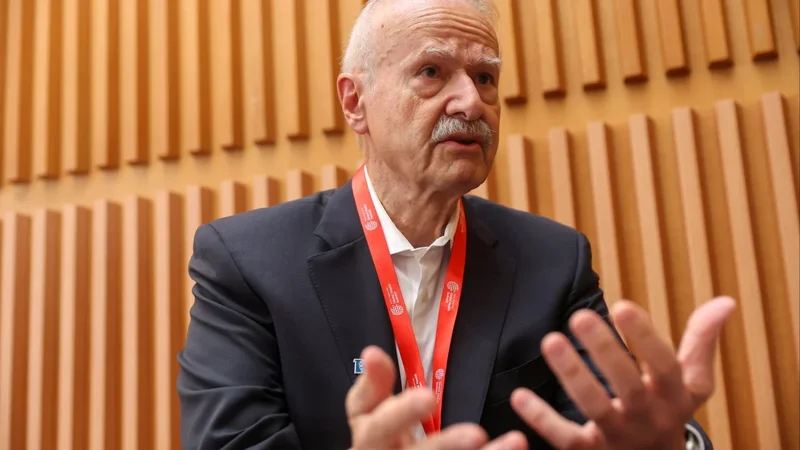
“The techniques are reasonably well established for animal experiments, but they really haven’t been as mature for human studies,” said Karoly Nikolich, an adjunct professor at Stanford University School of Medicine, in an exclusive interview with the South China Morning Post. He added that it could be up to five years for human studies to get going.
The treatment for her rare genetic brain disorder – which caused delayed development in speech and motor skills – involved injecting viral particles into her spine to “rewrite the mutated gene in her neurons”, according to the report, co-published by the journal Science and the Retraction Watch blog. She died in March last year, days after the treatment triggered a severe immune reaction.
“This was too adventurous,” Nikolich said, adding that the case showed that scientists still “don’t know precisely how changing a gene will affect the whole body”.
In a separate case, a boy died in Shanghai in August last year after receiving a high dose of HuidaGene Therapeutics’ CRISPR gene-editing therapy for Duchenne muscular dystrophy in a first-in-human trial.