Missed some of our top stories from the week? Check out our round-up below, covering the biggest science news and stories that matter.
This week's stories, from Aug. 8 to Aug. 14, 2026, include insight into why mosquitoes do or don't bite certain people, the undisclosed chemicals that may be hidden in "non-toxic" products, the discovery of a new Ice Age toad species, an update on the deadly flesh-eating bacterium outbreak in the U.S., how an 18-year-old student found a new way to break down microplastics, and a newly-discovered lizard species named after a House of the Dragon character.
1. Skin Bacteria and Body Odor May Shape Which Mosquitoes Bite You, or Avoid You Altogether
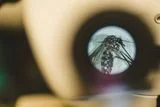
A new study suggests there may not be a universal mosquito attractor. Rather, different mosquito species might have different preferences, which could include sex, the absence of common fragrances some people apply, and even the microbial composition of the skin.
Read More: Skin Bacteria and Body Odor May Shape Which Mosquitoes Bite You, or Avoid You Altogether
2. Undisclosed and Potentially Harmful Chemicals Found in Many "Non-Toxic" Cosmetics and Cleaning Products
A new study suggested that of over 100 tested everyday consumer products, most contained at least one unlabeled chemical with known or suspected health hazards.
Additionally, 25 percent of the tested products contained chemicals specifically labeled not to be included, contradicting claims made on the packaging, including allergens in ostensibly hypoallergenic items.
3. New Ice Age Toad Species Discovered in La Brea Tar Pits Fossil Collection
Fossils dug out from the La Brea tar pits in the 1950s have finally been identified as an entirely new species. Paleontologists have announced that the samples were of a spadefoot toad that they have given the Latin name Spea labreae.
The toad’s discovery does more than expand the North American amphibian fossil record. Scientists say the finding holds important information about how the climate changed at the end of the last Ice Age.
Read More: New Ice Age Toad Species Discovered in La Brea Tar Pits Fossil Collection
4. Deadly Flesh-Eating Bacterium Linked To 5 Deaths in Louisiana as Coastal Cases Rise
A deadly bacterium that thrives in warm coastal waters has killed five people in Louisiana so far in 2026, state health officials announced on Thursday, August 6. Officials asked residents to take precautions to avoid infection by the flesh-eating bacterium, Vibrio vulnificus. Scientists have previously warned that V vulnificus’ range would expand as temperatures warm due to human-made climate change.
Read More: Deadly Flesh-Eating Bacterium Linked To 5 Deaths in Louisiana as Coastal Cases Rise
5. 18-Year-Old Student Develops Biodegradable Plastic Designed to Break Down Microplastics in Soil and Water
An 18-year-old student from Letterkenny, Ireland, has made a splash in the world of sustainability with her invention, Eco Purge, which is a biodegradable plastic. Fighting plastic with plastic may seem counterintuitive at first, but Arya Satheesh designed Eco Purge to not only break down naturally, but also release special enzymes that cause other microplastics to break down.
6. Newly Discovered Lizard Named After a House of the Dragon Character Could Become a Symbol of Its Region
Eight recently discovered specimens became the basis for Acanthosaura syrax, a species new to science. It is the 23rd known member of the mountain horned dragon genus and is named for Queen Rhaenyra Targaryen’s dragon in House of the Dragon.