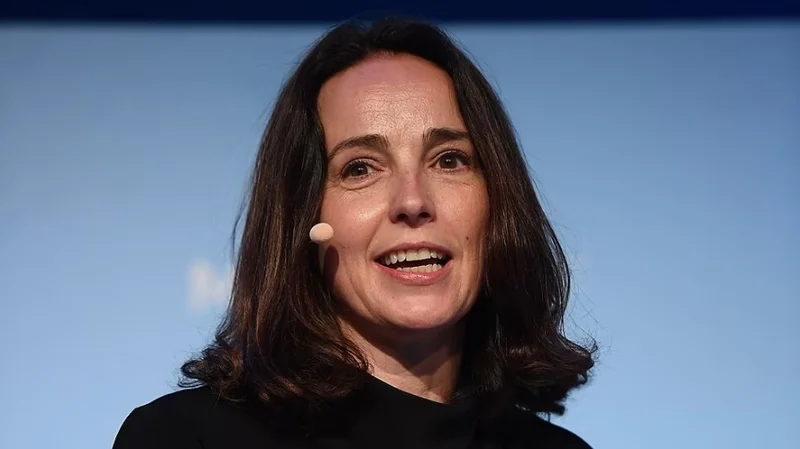
OpenAI’s enterprise business now generates more revenue than its consumer business, finance chief Sarah Friar told shareholders on Friday, months earlier than the company had forecast. Its annualised run rate has reached $40bn, roughly double a year ago.
OpenAI now makes more money from businesses than from ChatGPT subscribers. Finance chief Sarah Friar told shareholders on Friday that the two lines have crossed, according to a person at the meeting. “We entered the year at 60-40, but enterprise has accelerated much faster than expected,” she said.
That is early. Friar had said earlier this year that the two sides of the business would reach parity by the end of 2026.
The underlying numbers are moving quickly. OpenAI’s annualised run rate has reached $40bn, roughly double a year ago, and July revenue rose 20% month on month, with business customers up 32%.
More interesting is what enterprise buyers have started doing. “Enterprise customers have moved from tokenmaxxing to focusing on cost per unit of intelligence,” Friar said, meaning companies have stopped letting staff run up open-ended AI bills without showing what came of them.
OpenAI is answering on price rather than resisting. Friar pointed to recent cuts across its model range and to the newest model being 54% more efficient on agentic coding tasks.
Advertising has quietly become a business too. It is approaching a $1bn run rate, six months after OpenAI began testing ads in ChatGPT in February.
The meeting itself was scheduled before the week went wrong. It came a day after revenue chief Denise Dresser left after eight months and three days after longtime executive Brad Lightcap announced his departure.
President Greg Brockman thanked Dresser for building the enterprise foundation, the attendee said. He also praised her replacement, Dali Rajic, who was introduced to OpenAI by Thrive founder Josh Kushner, according to a person familiar with the recruiting.
Asked about Chinese open-source models, Brockman was dismissive. There is a misunderstanding that open source is cheaper, he said.
On the listing, nothing. Executives told shareholders they could not discuss timing because of the confidential filing with the SEC.
Get the TNW newsletter
Get the most important tech news in your inbox each week.