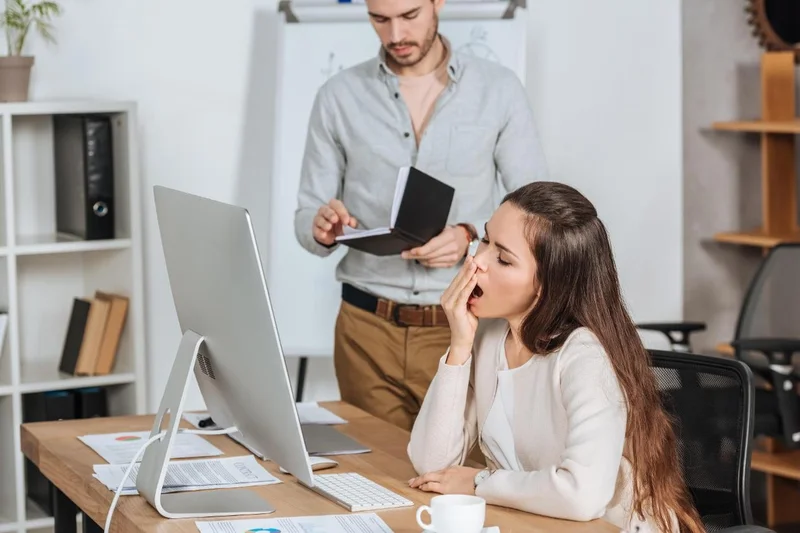
A car cannot remain in good condition if it races at full speed without a break, suddenly shuts off and then accelerates again without warming up. The human body is much the same.
If people spend the entire workweek under pressure, finally relax on the first day of vacation and then plunge straight back into their routine upon returning to work, their bodies can easily suffer.
A 46-year-old civil servant surnamed Park experienced just that. Before his summer vacation, he cut back on sleep for several nights to finish a backlog of work. But when he finally arrived at his vacation destination, he developed a headache and flu-like aches.
He ended up spending his entire first day at his accommodations. Although several days of rest might have been expected to help, he said that after returning to work his body felt as heavy as a waterlogged sponge and he struggled to concentrate.
He had become sick during a vacation meant for rest and returned feeling even more fatigued rather than recharged.
The phenomenon cannot simply be dismissed as psychological.
Researchers at Tilburg University in the Netherlands have studied cold-like symptoms such as headaches, fatigue and muscle pain that emerge when people take time away from work, introducing the concept of "leisure sickness."
When people routinely face heavy workloads and severe stress, their bodies remain in a state of tension and heightened alertness. In that condition, they may fail to fully notice physical signals such as fatigue and pain. Once the tension eases during a vacation, accumulated fatigue may become much more noticeable.
If leisure sickness is an unusual physical response that appears when rest begins, post-vacation fatigue refers to the difficulty people experience as they return to everyday life.
People may go to bed later while on vacation or suddenly become much more physically active than usual. Long drives or flights can cause travel fatigue, while meal schedules can shift because of late-night eating and other changes.
Such disruptions to sleep, eating and activity patterns can affect the body's circadian rhythm. That helps explain why people can experience fatigue and difficulty concentrating while readjusting to their normal routines after a vacation.
Experts therefore say even recharging requires a transition period. A day before returning to work, for example, it can help to resume one's usual waking and sleeping times, giving the body time to readjust.
If you get sick when you rest and come home exhausted, it may be worth considering whether the problem lies in how you work and how you rest — particularly if resting itself feels unfamiliar.
The desire to make the most of a rare vacation can lead people to visit every popular restaurant and tourist attraction they can, packing their schedules from morning until night in the name of vacation "efficiency." But that can turn a vacation into yet another task to complete.
Efficiency may matter at work, but perhaps it is something worth setting aside while on vacation. When every moment is filled with plans, the time to do absolutely nothing can disappear.
A car driven endlessly without rest will eventually break down. The body is no different.
This article from the Hankook Ilbo, the sister publication of The Korea Times, is translated by a generative AI system and edited by The Korea Times.