Cosan Quits Wall Street and Spins Off Its US$490 Million Farmland Arm
Brazil · Business
The exit from New York caps a year-long scramble to cut debt. As the sprawling group sheds assets and shrinks a loss that once ran into the billions.
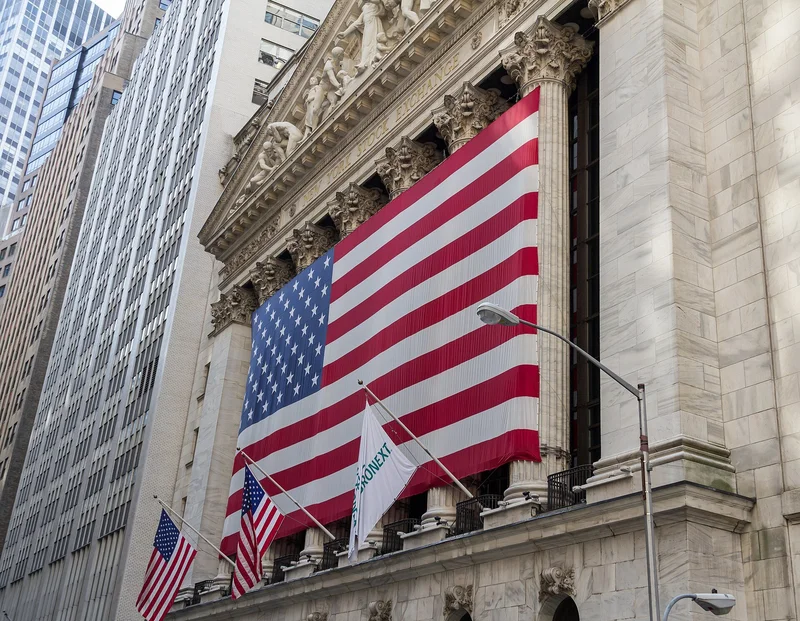
Cosan, one of Brazil’s biggest energy and infrastructure groups, is leaving Wall Street. On Friday, the company said it would delist its US-traded shares.
Spin off a farmland business and clean up a corporate structure that had grown tangled.
What Cosan announced
On Friday, Cosan unveiled a package of measures to simplify how the group is built. In short, it will delist in New York, spin off a farmland unit and reshuffle its top managers.
The news landed alongside second-quarter results. As a result, investors got both the numbers and a clear signal about where the company is heading.
Why Cosan is leaving Wall Street
Cosan’s US-listed shares, known as ADSs, trade in New York under the ticker CSAN. However, that program had drawn thin trading volume for some time.
The company said keeping the listing cost money in fees and paperwork while adding little value. Therefore, it chose to pull out and later cancel its US securities registration.
In short, the group decided the New York listing was no longer worth the trouble. Meanwhile, its main market has always been back home in Brazil.
Live Company IntelligenceCosan S.A — the full investor dossier
Valuation & profitability
Price & risk
$3.1852-wk high
$8.03
Revenue trend · 6y
R$40.42B
Ownership
Dividend
What Cosan does.Cosan S.A. engages in the fuel distribution business. It operates through Raízen, Compass, Moove, Rumo, and Radar segments. The company's Raízen segment engages in the production, marketing, origination, and trading of sugar, as well as ethanol; production and marketing of bioenergy, and solar energy and biogas; trading and resale of electricity; and…
What delisting actually means
Delisting simply means a company stops its shares from trading on a given exchange. In this case, Cosan’s US receipts will no longer change hands on the New York floor.
Still, this is not a sign of collapse. Instead, big foreign firms often drop a second listing to save on reporting rules and legal costs.
Importantly, Cosan keeps its primary listing on B3, Brazil’s stock exchange in São Paulo. So Brazilian investors can still buy and sell the stock as before.
The loss is shrinking fast
For example, the headline number this quarter was a much smaller loss. In fact, the net loss for Cosan’s own shareholders came in at about R$320 million (US$61 million).
That is roughly 66% smaller than the same quarter a year earlier. Because a year ago, the comparable loss was near R$946 million.
On a full consolidated basis, which folds in partners’ stakes, the loss was larger at R$1.34 billion. Even so, the trend is clearly pointing the right way.
Cutting the debt pile
Debt has been the core problem, and here the progress is real. As a result, expanded corporate net debt dropped 47% from a year earlier to R$9.2 billion (about US$1.8 billion).
That fall came from selling assets and raising fresh cash. In addition, the group has spent the past year offloading pieces it no longer sees as essential.
Spinning off the farmland arm
Cosan also owns farmland through a business called Radar. Now it is splitting off part of that venture, known as Radar II, in a formal spin-off.
The unit’s equity was valued near R$2.6 billion (about US$490 million) by auditor PwC. Meanwhile, Cosan and its partner Mansilla each hold roughly half.
After the deal, Radar II winds down and its assets pass straight to the two owners. If shareholders approve, the change takes effect on October 1.
A shake-up at the top
The overhaul reaches into the boardroom as well. In fact, Rafael Bergman, the executive in charge of finance and investor relations, is leaving the company.
The head of legal affairs is departing too, according to Brazilian press reports. So the restructuring is as much about people as it is about assets.
The empire behind the name
Cosan is not a household brand, yet it sits behind several that are. For instance, it controls Raízen in fuels and sugar, and Rumo in railways.
It also holds Compass in natural gas and Moove in lubricants. Together, these arms make Cosan one of Brazil’s largest private groups.
That sprawl is exactly what management now wants to trim. As a result, the plan is to make the whole structure simpler and easier to read.
What it means for investors
For US holders, the delisting is the biggest practical change. However, most can convert their receipts into ordinary shares traded in São Paulo.
For everyone else, the story is about a group finally getting its house in order. Overall, the shrinking loss and lighter debt suggest the worst may be passing.
Still, plenty of work remains before Cosan is fully out of the woods. Because a year of asset sales has stabilized the group, not transformed it.
Frequently Asked Questions
Is Cosan going bankrupt?
No. The company is restructuring to cut debt and simplify its business, and its quarterly loss is actually shrinking, not growing.
Will I still be able to trade Cosan shares?
Yes. Cosan keeps its primary listing on Brazil’s B3 exchange in São Paulo.
Why would a big company leave the New York Stock Exchange?
A US listing brings fees, legal costs and heavy reporting rules. When trading volume is low, as it was here, the listing can cost more than it is worth.
What is Radar II?
It is part of Cosan’s farmland business. The group is spinning it off in a deal valued near R$2.6 billion, splitting the assets with its partner Mansilla.
This article was produced by The Rio Times’ automated newsroom system. How we use AI · Report an error